Pope apologises for ‘suffering and humiliation’ of enslaved Africans
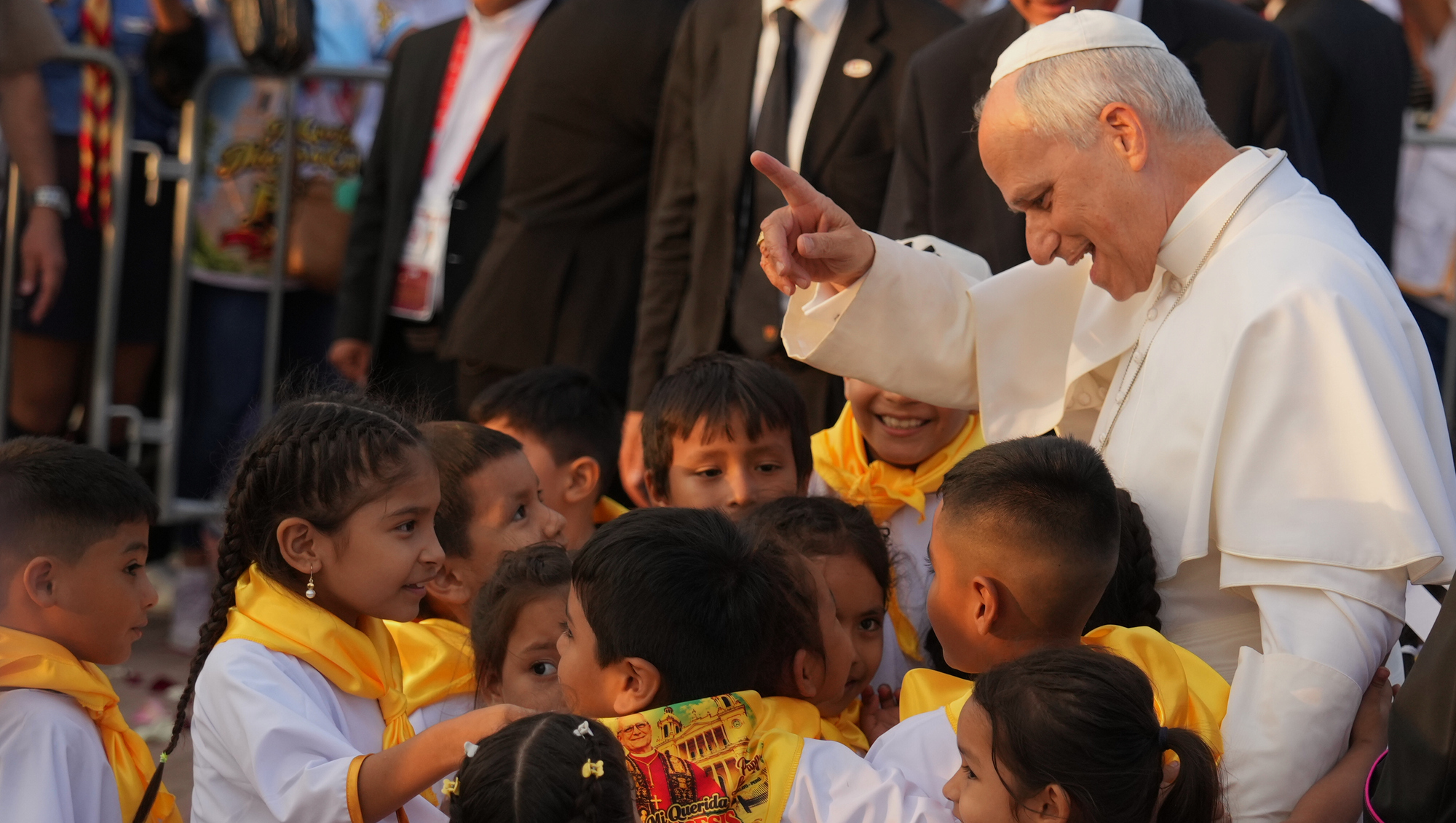
Pope Leo has apologised for the suffering of enslaved Africans (AP Photo/Andrew Medichini)
Pope Leo XIV on Saturday denounced the “suffering and humiliation” endured by African enslaved people as he made a tangible show of remorse in Peru following his historic apology for the Holy See’s own role in legitimising the African slave trade in the Americas.
The US-born Leo, whose own family tree includes enslaved people and slave owners, delivered the remarks in the northern Peruvian city of Zana, a Unesco-recognised memorial site for slavery and a centre of the Afro-Peruvian community today.
Zana is part of Leo’s former diocese of Chiclayo, and the former Robert Prevost came here often to pray before the relics of a 16th century saint, including the night before his ordination as a bishop.
He knows the city and the history of African-descended Peruvians well, and the continued discrimination that Afro-Peruvians face today.
In remarks to the community on Saturday, Leo said Zana “preserves the memory of generations of Africans who were torn from their homes and subjected to slavery”.
“Many endured great suffering and humiliation. Dear brothers and sisters of African descent, today I want to express my affection and closeness to you,” he said.
Zana, a historic town in Chiclayo province, was recognised by Unesco in 2017 as a “site of memory of slavery and African cultural heritage”.
The recognition was the first of its kind granted to a Peruvian Afro-descendant community or any comparable community along South America’s Pacific coast, the government says.
In his first encyclical in May, Leo made a sweeping apology for the role of past popes in legitimising slavery in the Americas and failing to condemn it for centuries.
It was a reference to the series of 15th-century directives from the Vatican that authorised European sovereigns to conquer Africa and the Americas and enslave non-Christians.
“It is impossible not to feel deep sorrow when contemplating the immense suffering and humiliation endured by so many in stark contrast to their immeasurable dignity as persons infinitely loved by the Lord,” Leo wrote in the encyclical. “For this, in the name of the church, I sincerely ask for pardon.”
There was a hint on the day Leo arrived in Peru that he would address the legacy of African-descended Peruvians when Susana Baca, the Latin Grammy-winning Afro-Peruvian singer, serenaded him on Lima’s Plaza Mayor.
Baca, arguably the best-known Afro-Peruvian musician, was also Peru’s first black Cabinet minister and became a leading figure in the campaign to end the discrimination that has long made second-class citizens of black Peruvians and Peru’s indigenous peoples.
Known for her velvet voice and barefoot dancing, Baca told the Associated Press that she felt a special connection to Leo because of the importance he has placed on asking forgiveness for past injustices.
Members of Zana’s Afro-descendant community celebrated the return of Leo, their former bishop, and were particularly proud of Baca’s performance before an American pope with black ancestors.
“I’m so proud to see an Afro-Peruvian person singing to the pope, and to know that black blood courses through his veins,” said Felipe Gutierrez, a local chef and poet known as Frontado.
All four of Leo’s maternal great-grandparents were “free people of colour” in 19th-century Louisiana census records. As part of the melting pot of French, Spanish, African and Native American cultures in Louisiana, the pope’s maternal ancestors would be considered Creole.

CONNECT WITH US TODAY



Be the first to know the latest news and updates