Earthquake response strains Colombia’s new government as search continues
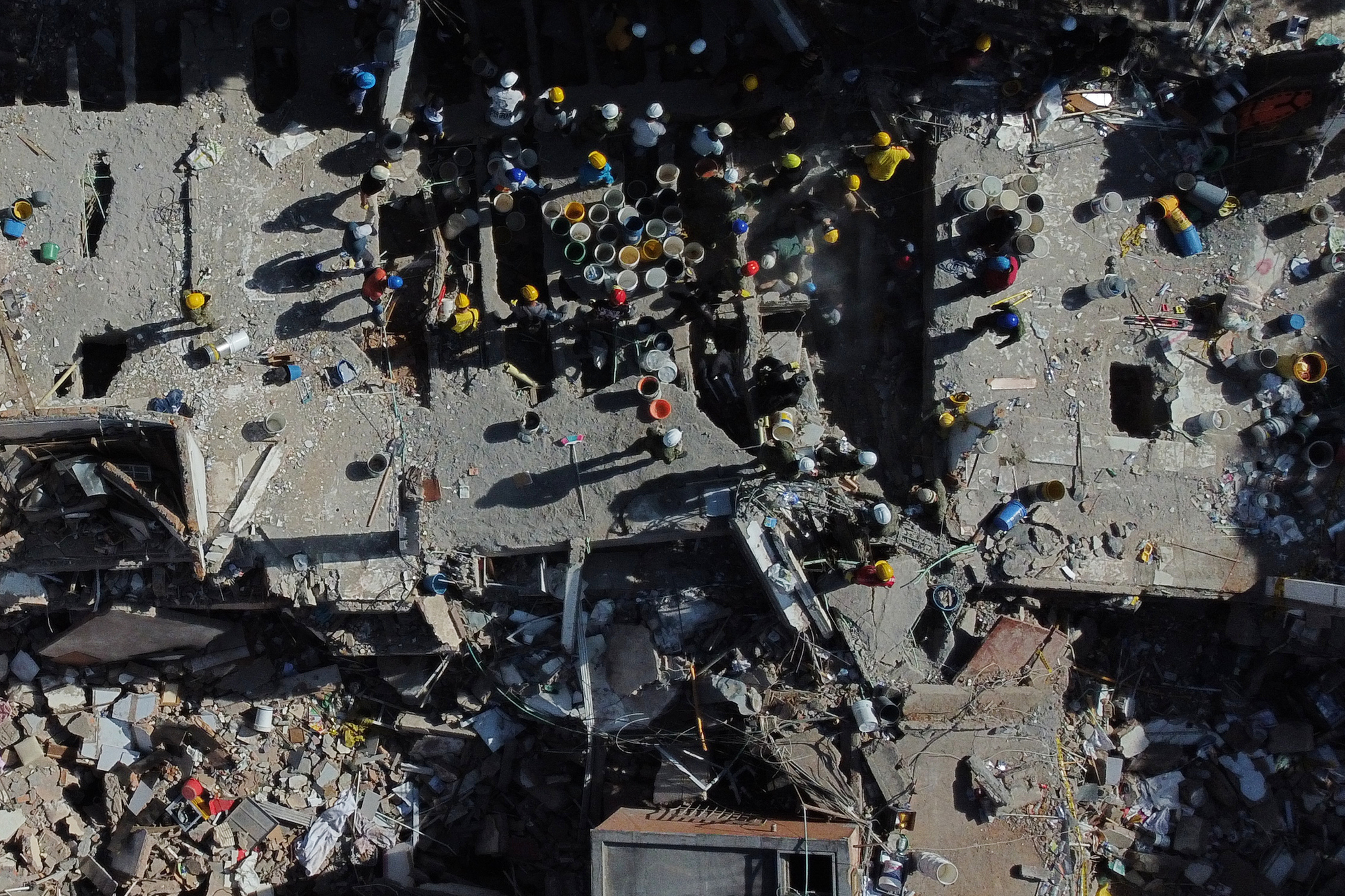
The search for survivors in the rubble of Colombia’s powerful earthquake was growing more desperate, two days after the quake brought down buildings, buckled roads and crushed cars.
The devastation has tested Colombia’s new president Abelardo de la Espriella and his government as it scrambles to respond to the natural disaster and civil society as it pushes to provide aid to the vulnerable communities most affected by the quake.
By Tuesday, Mr de la Espriella said the 7.4 magnitude earthquake had killed at least 181 people and left 2,595 more injured in the west of the country.
He said at least 195 remained missing, but civilian-run databases put that number closer to 4,000.
Teams continued to pick through the rubble overnight in the hardest-hit cities of Cali, Pereira, Manizales and Quibdo, as time ticked away for victims to be found — and rescued — alive.
Aid agencies consider the first 48 to 72 hours crucial for retrieving survivors, although that threshold can be extended if they have access to food and water.
There have been scenes of joy amid the devastation: rescuers pulling a dust-covered baby through a crack in a concrete wall, and onlookers cheering as teams lifted a woman onto a stretcher.
In many areas, the official response to the devastation has been complicated by the ongoing crises of deep poverty and civil warfare that has forced displacement for decades.
“This earthquake compounds an already severe humanitarian situation, and there is a need for increased support for the humanitarian response,” Giovanni Rizzo, Colombia director for the Norwegian Refugee Council, said.
A 2016 peace accord between rebels and the government along with an ongoing armed conflict may allow aid organisations to distribute food and other emergency materials more quickly, Maria Jose Torres, the UN resident co-ordinator in Colombia, said.
Aid organisations are already in place in some conflict-torn centres because of the peace process, including Choco at the epicentre of the quake.
“We have a presence on the ground. Therefore, our ability to be there, present with the people, I think, has increased exponentially,” Ms Torres said in a statement.
At the same time, aid from other countries and non-profit organisations abroad continued to roll in.
The US has offered more than 15 million US dollars (£11 million) in aid and Mexico’s president said she is prepared to send hundreds of search and health workers, tons of health supplies and other equipment.
On Tuesday afternoon, Salvadoran President Nayib Bukele said his country would send two planes loaded with 100 tons of aid in the coming days.
“Our prayers are with the families of the victims, the wounded and all the Colombian people,” Mr Bukele wrote on X.


CONNECT WITH US TODAY



Be the first to know the latest news and updates