Third British national diagnosed with suspected hantavirus linked to cruise ship
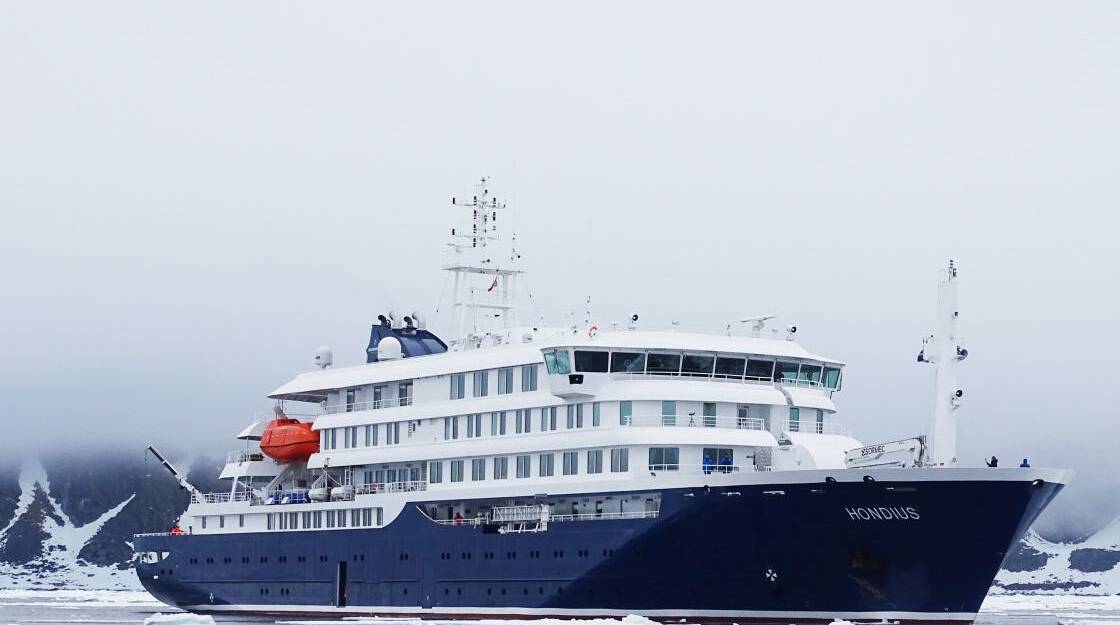
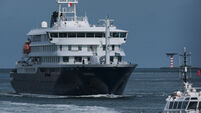
The cruise ship left the shores of Cape Verde at 6.15pm on Wednesday, Oceanwide Expeditions said. Picture: Oceanwide Expeditions.
A third British national has been diagnosed with suspected hantavirus linked to a cruise ship outbreak, health officials have said.
The UK Health Security Agency (UKHSA) said two British nationals have confirmed hantavirus but there is now “an additional suspected case of a British national on Tristan da Cunha”.
The patient remains on the remote South Atlantic island. The other two British nationals remain in hospital in the Netherlands and South Africa.
The cruise ship left the shores of Cape Verde at 6.15pm on Wednesday, Oceanwide Expeditions said, and is estimated to arrive at the port of Granadilla in Tenerife in the early hours of Sunday, but this is subject to change.
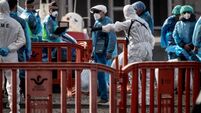
The British foreign office is arranging a charter flight so the remaining Britons on board the ship who are not displaying symptoms can be repatriated once they dock in Tenerife.
Read More
The outbreak, which has been linked to three deaths, has been connected to a birdwatching expedition in Argentina which two of the passengers went on before boarding the ship.
Dr Maria Van Kerkhove, from the World Health Organisation (WHO), said two patients – known to include a Briton – remain in hospital in the Netherlands, and another Briton is in intensive care in South Africa.
She told a WHO press briefing: “I am very happy to say the patient in South Africa is doing better, and the two patients in the Netherlands we hear are stable. So that is actually very good news.”
The WHO said morale has improved on board since the ship started its journey to Tenerife.
It said two doctors are on board along with infectious disease experts from the WHO and the European Centre for Disease Prevention and Control (ECDC), who are conducting a medical assessment of all passengers and crew.
While the risk to the public is low, Dr Tedros Adhanom Ghebreyesus, director-general of the WHO, said there could be more cases due to the incubation period of the Andes virus – the variant of hantavirus linked to the outbreak.
The WHO is not expecting the outbreak to be an epidemic, according to Dr Abdirahman Mahamud, director at the alert and response co-ordination department.
He highlighted a similar outbreak in Argentina in 2018/19 which led to 34 cases.
It emerged earlier 29 people disembarked from the ship mid-way through the cruise, when it docked in the remote South Atlantic island of St Helena, including a Dutch woman who became unwell during onward travel and died.
The woman was accompanying her husband’s body, which was being repatriated after he died on the ship on April 11.
Oceanwide Expeditions said guests who disembarked have been contacted.
On Wednesday, the ECDC said everyone on board should be considered a “close contact”.
The UK Health Security Agency (UKHSA) announced that two Britons who had already returned from the vessel are isolating at home.
These passengers flew back to the UK via Johannesburg after getting off in St Helena.
UK health experts said British passengers on board will be asked to self-isolate in the UK for 45 days.
According to the UKHSA, none of the British citizens on board are reporting symptoms but they are being closely monitored.
Asked about the two British passengers who have returned to the UK, Professor Robin May, chief scientific officer at the UKHSA, added that contact tracing is happening for anyone who may have sat next to them on the flight home.