Trump vows to continue blockade despite Iran reopening Strait of Hormuz
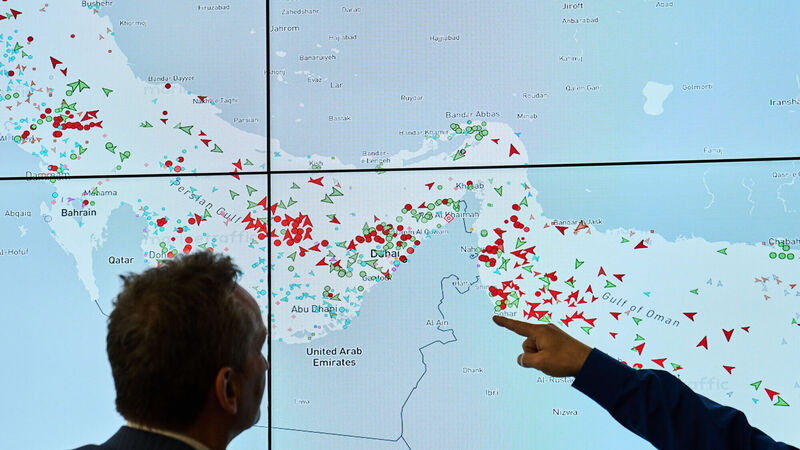
Iran said it has fully reopened the Strait of Hormuz to commercial vessels but Donald Trump said the blockade on Iranian ships and ports “will remain in full force” until Tehran reaches a deal with the US including on its nuclear programme.
Iranian foreign minister Abbas Araghchi posted on X that the waterway, through which about 20% of the world’s oil is shipped, was now fully open to commercial vessels, as a 10-day truce between Israel and the Iran-backed Hezbollah militant group in Lebanon appeared to hold.
Read More
The US president initially celebrated the Iranian announcement, posting on social media that the strait was “fully open and ready for full passage”.
But minutes later, he issued another post saying the US Navy’s blockade would continue “UNTIL SUCH TIME AS OUR TRANSACTION WITH IRAN IS 100% COMPLETE”.

The president also said Iran, with help from the US, is working to remove all mines from the strait.
Mr Trump imposed the blockade earlier this week after Iran restricted traffic through the strait due to fighting in Lebanon, which Iran claimed was a breach of the Pakistan-brokered ceasefire reached between the US, Israel and Iran.
At the time, Mr Trump said the blockade would enforce an “all or none” policy in hopes of pressuring Iran to reopen the strait.
The president’s decision to continue the blockade despite Iran’s announcement appeared aimed at sustaining pressure on Tehran as the fate of the two-week ceasefire reached last week remained uncertain. The ceasefire has paused almost seven weeks of war between Israel, the US and Iran.
Direct talks between the US and Iran last weekend were inconclusive, as the two nations could not come to agreement about Iran’s nuclear programme and other points.

Two semi-official news agencies in Iran seemed to challenge Mr Araghchi’s announcement about the strait.
Considered close to Iran’s powerful Revolutionary Guard, the Fars news agency issued a series of posts on X criticising what it said was a lack of clarity over the decision to reopen the waterway and a “strange silence from the Supreme National Security Council and the negotiating team”.
Iran’s Supreme National Security Council has recently acted as the country’s de facto top decision-making body amid doubts over the status of the new supreme leader, Mojtaba Khamenei, who was reportedly wounded early in the war.
The Mehr news agency also said the decision to reopen the strait needed “clarification” and required the supreme leader’s approval.
Oil prices fell on Friday on hopes that the US and Iran were drawing closer to a deal. The head of the International Energy Agency had warned that the energy crisis could get worse if the strait did not reopen.
The truce in Lebanon could clear one major obstacle to a deal between Iran, the United States and Israel to end weeks of devastating war. But it was unclear to what extent Hezbollah would abide by a deal it did not play a role in negotiating and which will leave Israeli troops occupying a stretch of southern Lebanon.
Mr Trump said in another post that Israel is “prohibited” by the US from further strikes on Lebanon and that “enough is enough” in the Israel-Hezbollah war. The White House did not immediately respond to a question about whether the prohibition spans both offensive and defensive strikes.
Shortly before Mr Trump’s post, Israeli Prime Minister Benjamin Netanyahu said Israel agreed to the ceasefire in Lebanon “at the request of my friend President Trump” but that the campaign against Hezbollah is not complete.
He claimed Israel had destroyed about 90% of Hezbollah’s missile and rocket stockpiles and added that Israeli forces “have not finished yet” with the dismantling of the group.
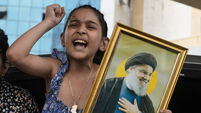
In Beirut, celebratory gunshots rang out at the start of the truce. Displaced families began moving toward southern Lebanon and Beirut’s southern suburbs despite warnings by officials not to return to their homes until it became clear whether the ceasefire would hold.
The Lebanese army and UN peacekeepers in southern Lebanon had reported sporadic artillery shelling in some parts of southern Lebanon in the hours after the ceasefire took effect.
CONNECT WITH US TODAY



Be the first to know the latest news and updates