ieExplains: Why has Britain's former prince Andrew been arrested – and what happens now?
Detectives who have arrested Andrew Mountbatten-Windsor are examining his conduct as trade envoy for the UK after the disclosure of emails from the late disgraced banker Jeffrey Epstein.
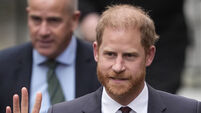
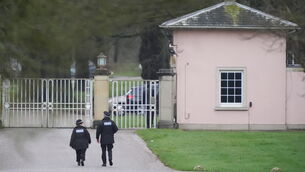
The former prince Andrew has been arrested on suspicion of misconduct in public office. He remains in custody – although his whereabouts are unclear – as police search addresses in Berkshire and Norfolk.
The arrest appears related to his conduct as a UK trade envoy and follows the disclosure of emails related to Epstein.
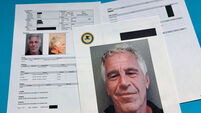
Among the files released by the US Department of Justice were documents that appeared to show the former prince forwarding sensitive government documents and commercial information to the convicted sex offender.
He has consistently denied any wrongdoing.
Read More
Andrew served as a UK trade envoy between 2001 and 2011. In this role he travelled globally and was given privileged access to senior government and business contacts around the world.
In 2010, he appears to have forwarded government reports from visits to Vietnam, Singapore and China to Epstein, according to the recently published files.
The emails indicate that on 7 October 2010, Andrew appeared to send Epstein details of his official forthcoming trips as trade envoy to Singapore, Vietnam, Shenzhen in China and Hong Kong, where he was accompanied by business associates of Epstein.
After the trip, on 30 November, he appeared to have forwarded official reports of those visits sent by his then special assistant, Amit Patel, to Epstein, five minutes after receiving them.
The documents also appeared to show that Andrew forwarded Epstein information on investment opportunities in gold and uranium in Afghanistan.
A briefing, prepared for Andrew by UK officials when he was a trade envoy and reported by the BBC, was said to have been forwarded to Epstein in December 2010 and includes a list of “high-value commercial opportunities” in Helmand province.
Under official guidance, trade envoys have a duty of confidentiality over sensitive, commercial or political information about their official visits.
Being named in the Epstein files is not an indication of misconduct. Andrew has previously denied any wrongdoing in his associations with Epstein and rejected any suggestion he used his time as trade envoy to further his own interests.
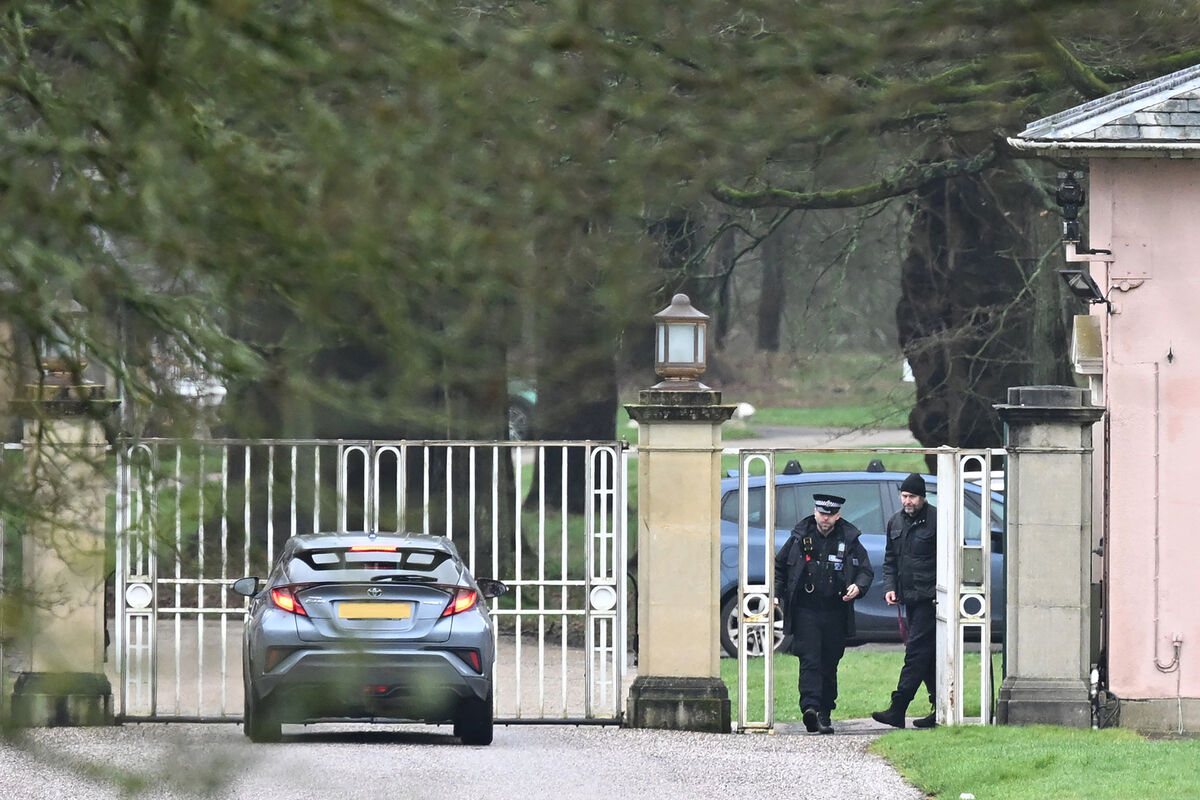
A short statement by Thames Valley police said: “We have today (19/2) arrested a man in his sixties from Norfolk on suspicion of misconduct in public office and are carrying out searches at addresses in Berkshire and Norfolk.
“The man remains in police custody at this time.
“We will not be naming the arrested man, as per national guidance. Please also remember that this case is now active so care should be taken with any publication to avoid being in contempt of court.” What could happen next?
Earlier this month, Thames Valley police confirmed it was assessing whether there were grounds to investigate a complaint by the anti-monarchy group Republic, which had reported Andrew for suspected misconduct in public office.
The longest the former prince can be held is 96 hours, but this would require extensions from senior police officers and a magistrates court. In most cases, suspects are held for 12 or 24 hours and are then either charged or released pending further investigation.
If taken to a police station, Andrew will probably be placed in a cell in a custody suite, where he will wait until his police interview. Police will be able to access computer equipment, files and photographs, and can carry out searches of any premises he owns or occupies, or any other premises he controls.
Misconduct in public office carries a maximum sentence of life imprisonment.
The offence of misconduct in public office is committed if a public officer “wilfully neglects to perform his or her duty” or “wilfully misconducts” to such a degree as to amount to an abuse of the public’s trust in the office holder, without reasonable excuse or justification.
The offence is widely considered to be ill-defined and is due to be repealed after criticisms from ministers, the court of appeal and legal academics.
While nearly 200 people were prosecuted under the offence between 2014 and 2024, nearly all were police or prison officers and only four convictions were secured of people in senior positions, according to Dr Tom Frost, a senior law lecturer at Loughborough University.
Under the public office (accountability) bill, which is now before the House of Commons, the offence will be replaced with two new offences, after the Law Commission concluded there was “an ongoing need for offences that specifically target serious misconduct by public office holders”.

CONNECT WITH US TODAY



Be the first to know the latest news and updates