Trump signs executive orders to boost coal production
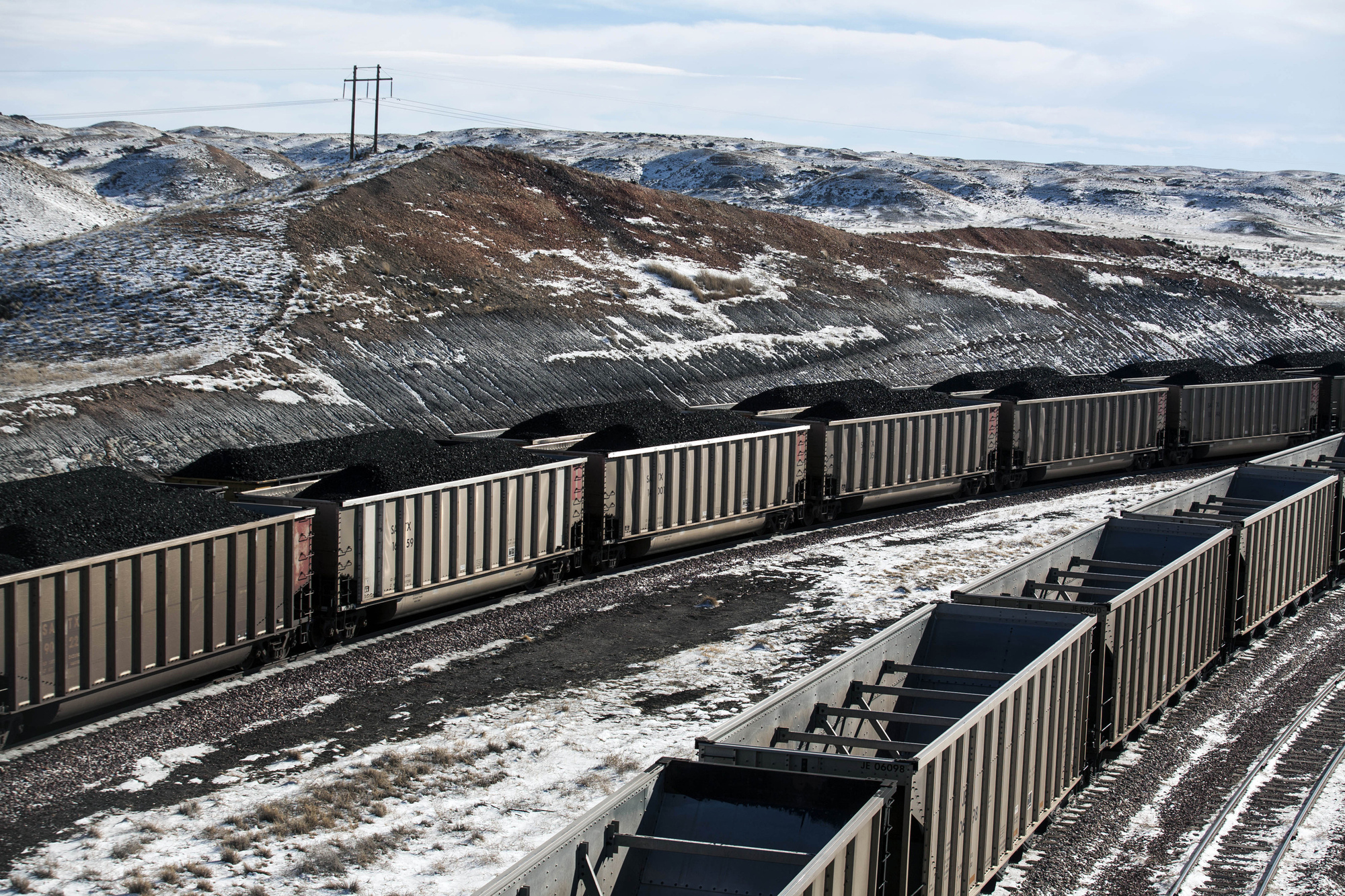
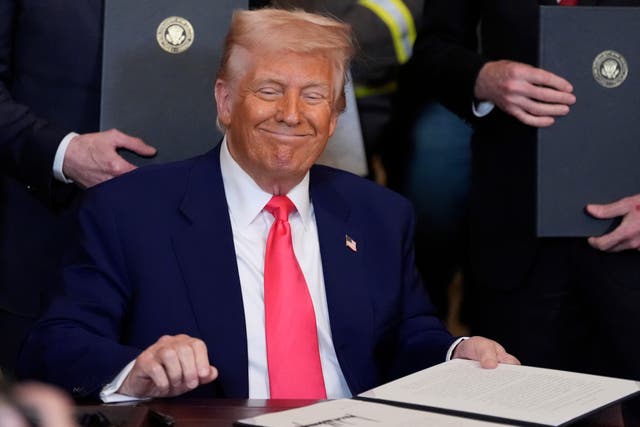
US President Donald Trump has signed a series of executive orders on Tuesday aimed at boosting the struggling coal industry, a reliable but polluting energy source that has long been in decline.
Under the orders, Mr Trump uses his emergency authority to allow some older coal-fired power plants set for retirement to keep producing electricity to meet rising US power demand amid growth in data centres, artificial intelligence and electric cars.
Mr Trump has long promised to boost what he calls “beautiful” coal to fire power plants and for other uses, but the industry has been in decline for decades.
The orders direct federal agencies to identify coal resources on federal lands, lift barriers to coal mining and prioritise coal leasing on US lands.
They also direct Interior Secretary Doug Burgum to “acknowledge the end” of an Obama-era moratorium that paused coal leasing on federal lands and require federal agencies to rescind policies transitioning the nation away from coal production.
The orders also seek to promote coal and coal technology exports and to accelerate development of coal technologies.
Mr Trump, who has pushed for US “energy dominance” in the global market, has long suggested that coal can help meet surging electricity demand from manufacturing and the massive data centres needed for artificial intelligence.
“I call it beautiful, clean coal. I told my people, never use the word coal unless you put beautiful clean before it,” Mr Trump said on Tuesday at a White House ceremony.
“Pound for pound, coal is the single most reliable, durable, secure and powerful form of energy,” Mr Trump added. “It’s cheap, incredibly efficient, high density, and it’s almost indestructible. You could drop a bomb on it and it’s going to be there for you to use the next day.”
Still, energy experts say any bump for coal under Mr Trump is likely to be temporary because natural gas is cheaper and there is a durable market for renewable energy such as wind and solar power no matter who holds the White House.
Mr Trump’s actions seek to reverse a decades-long decline in US coal production. His administration has targeted regulations under former President Joe Biden’s administration that could hasten closures of heavily polluting coal power plants and the mines that supply them.
Coal once provided more than half of US electricity production, but its share dropped to about 16% in 2023, down from about 45% as recently as 2010.
Natural gas provides about 43% of US electricity, with the remainder from nuclear energy and renewables such as wind, solar and hydropower.
The front line in what Republicans call the “war on coal” is in the Powder River Basin of Wyoming and Montana, a sparsely populated section of the Great Plains with the nation’s largest coal mines.
It is also home to a massive power plant in Colstrip, Montana, that emits more toxic air pollutants such as lead and arsenic than any other US facility of its kind, according to the Environmental Protection Agency (EPA).
EPA rules finalised last year could force the Colstrip Generating Station to shut down or spend an estimated 400 million dollars (£312 million) to clean up its emissions within the next several years.
Another Biden-era proposal, from the Interior Department, would end new leasing of taxpayer-owned coal reserves in the Powder River Basin.
Mr Trump vowed to reverse those actions and has named Burgum and Energy Secretary Chris Wright to lead a new National Energy Dominance Council.
The Trump-created panel is tasked with driving up already record-setting domestic oil and gas production, as well as coal and other traditional energy sources.
The energy council has been granted sweeping authority over federal agencies involved in energy permitting, production, generation, distribution, regulation and transportation.
It has a mandate to cut bureaucratic red tape, enhance private sector investments and focus on innovation instead of “totally unnecessary regulation,” Mr Trump said.
EPA administrator Lee Zeldin, meanwhile, has announced a series of actions to roll back environmental regulations, including rules on pollution from coal-fired power plants.
“By reconsidering rules that throttled oil and gas production and unfairly targeted coal-fired power plants, we are ensuring that American energy remains clean, affordable and reliable,” Mr Zeldin said last month in announcing the actions, which he called the “most consequential day of deregulation in American history”.
In all, Mr Zeldin said he is moving to roll back 31 environmental rules, including a scientific finding that has long been the central basis for US action against climate change.
Industry groups praised Mr Trump’s focus on coal.
“Despite countless warnings from the nation’s grid operators and energy regulators that we are facing an electricity supply crisis, the last administration’s energy policies were built on hostility to fossil fuels, directly targeting coal,” said Rich Nolan, president and chief executive of the National Mining Association.
Mr Trump’s executive actions “clearly prioritise how to responsibly keep the lights on, recognise the enormous strategic value of American-mined coal and embrace the economic opportunity that comes from American energy abundance,” Mr Nolan said.
But environmental groups said Mr Trump’s actions were more of the same tactics he tried during his first term in an unsuccessful bid to revive coal.
“What’s next, a mandate that Americans must commute by horse and buggy?” asked Kit Kennedy, managing director for power at the Natural Resources Defence Council.
“Coal plants are old and dirty, uncompetitive and unreliable,” Ms Kennedy said, accusing Mr Trump and his administration of remaining “stuck in the past, trying to make utility customers pay more for yesterday’s energy”.
Instead, she said, the US should be doing all it can to build the power grid of the future, including tax credits and other support for renewable energy such as wind and solar power.

CONNECT WITH US TODAY



Be the first to know the latest news and updates