Pritzker Prize for architecture goes to Liu Jiakun of China
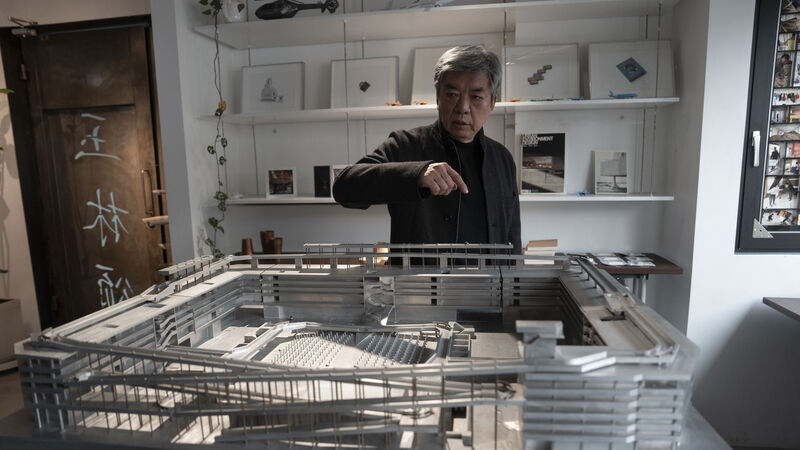
The annual Pritzker Architecture Prize has been awarded to Liu Jiakun of China, who earned the field’s highest honour for “affirming architecture that celebrates the lives of ordinary citizens”, organisers announced.
Liu, 68, becomes the 54th laureate of the prize, considered akin to a Nobel in the field of architecture.
In an interview in his office in Chengdu in China’s south-western Sichuan region, the architect said he had a simple definition of his profession: “To simplify, the task of architects is to provide a better living environment for human beings.
“First of all, you do something that is functional. But if it is just like that, it cannot be called architecture. (So) you have to provide poetry.”
Liu is known for creating public areas in highly populated cities where there is little public space, “forging a positive relationship between density and open space”, a Pritzker statement said.
The architect “upholds the transcendent power of the built environment through the harmonising of cultural, historical, emotional and social dimensions, using architecture to forge community, inspire compassion and elevate the human spirit,” the statement added.
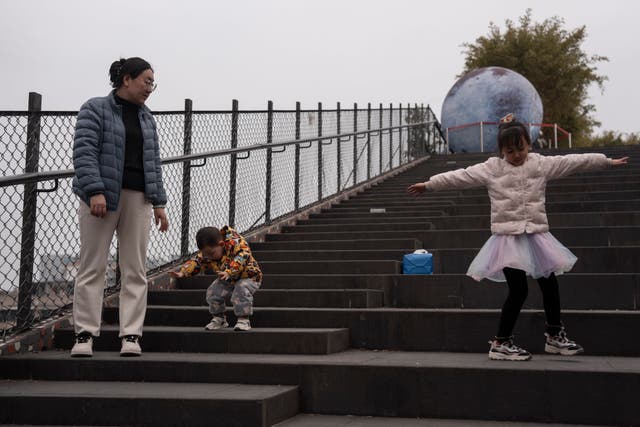
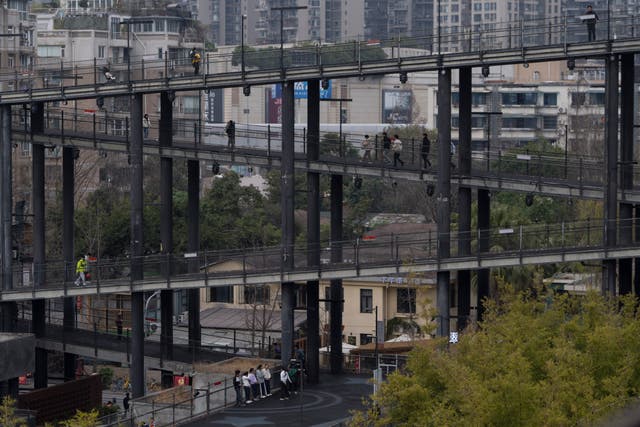
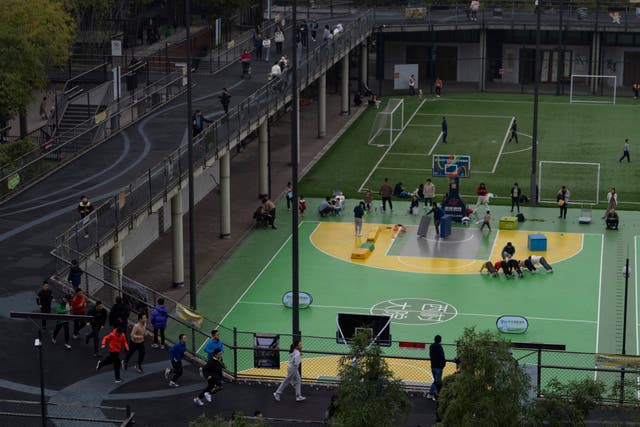
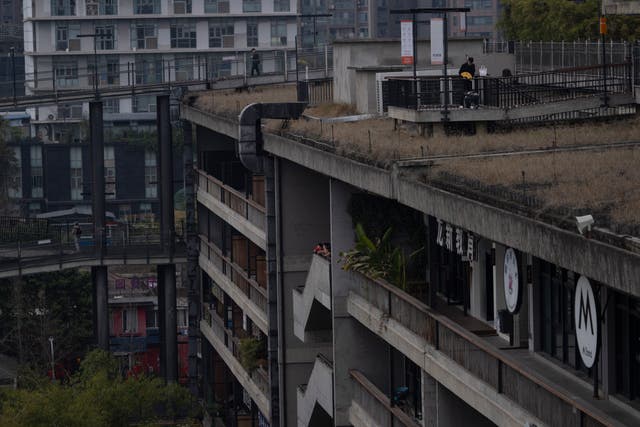
Among his 30 or so projects, which range from academic institutions to commercial buildings to civic spaces, organisers cited in particular his 2015 West Village in Chengdu, which spans a block.
The five-storey project includes a perimeter of pathways for cyclists and pedestrians around “its own vibrant city of cultural, athletic, recreational, office and business activities within, while allowing the public to view through to the surrounding natural and built environments”.
They also noted the Sichuan Fine Arts Institute Department of Sculpture in Chongqing, which they said displays an alternate solution to maximising space, “with upper levels protruding outward to extend the square footage of a narrow footprint”.
Liu was born in 1956 in Chengdu and was sent at the age of 17, during the Cultural Revolution, to labour on a farm in the countryside.
He has said life felt inconsequential — until he was accepted to architecture school in Chongqing, where he “suddenly realised my own life was important”.
In the interview at his office in Chengdu, Liu said the speed of change in China during his early adulthood was “very fast, and it was turning things upside down. Even until now, sometimes I feel like I have lived several lifetimes”.
Liu established his practice, Jiakun Architects, in 1999. He said he is not one of those architects who likes to have a strongly recognisable visual style. Rather, Liu said, he pays more attention to method and strategy.
“Many architects use a strong personal style and form to gain a foothold in the world,” Liu said.
“No matter where it is, people can tell immediately that it is his or her work with a very strong symbolism. But I am not such a kind of architect.
“I don’t want to have a very clear or obvious style that can be recognised as mine just at a glance.
“I take a more methodological and strategic approach. I hope that when I go to a specific place, I can use my methodology and strategy to adapt to local conditions. I like to fully understand the place, and then look for resources, problems … and then distill and refine, and finally turn (this) into my work.”
Liu also said he tries to balance his country’s artistic and architectural heritage with the realities of modern technology.
“I think China’s traditional architecture is of course brilliant and very classic,” he said, “but it is a product of its time.”
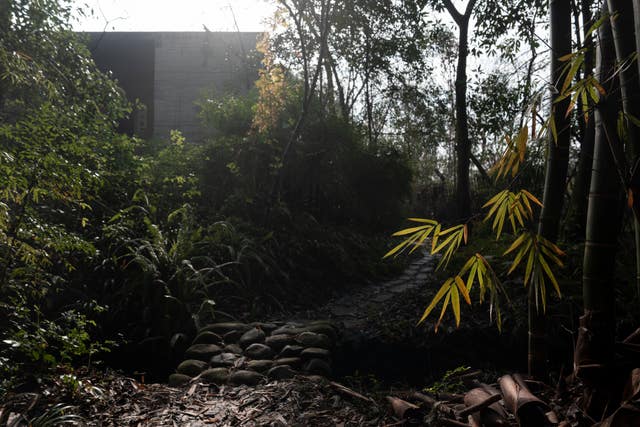
He said he hopes to deeply understand “the thematic part of tradition that can survive”, and then express it with contemporary technology and language. In that way, he said, “tradition can be used as a core … but the presentation of your work is contemporary.”
Liu said he also seeks to balance commercial imperatives with civic concerns.
“The rapid development of cities nowadays is basically driven by capital. It is natural for capital to pursue profits,” he said. But he added: “You have to leave the public the space they deserve.
“Only in this way can the development of a city be positive and healthy, rather than being completely high-density, where people live in drawers and boxes … without even a place to go and no space for communication.”
The Pritzker Architecture Prize was established in 1979 by the late entrepreneur Jay A Pritzker and his wife, Cindy. Winners receive a 100,000 dollar (£78,550) grant and a bronze medallion.


CONNECT WITH US TODAY



Be the first to know the latest news and updates