US may intervene to help Israel defend itself from Iranian attack, officials say
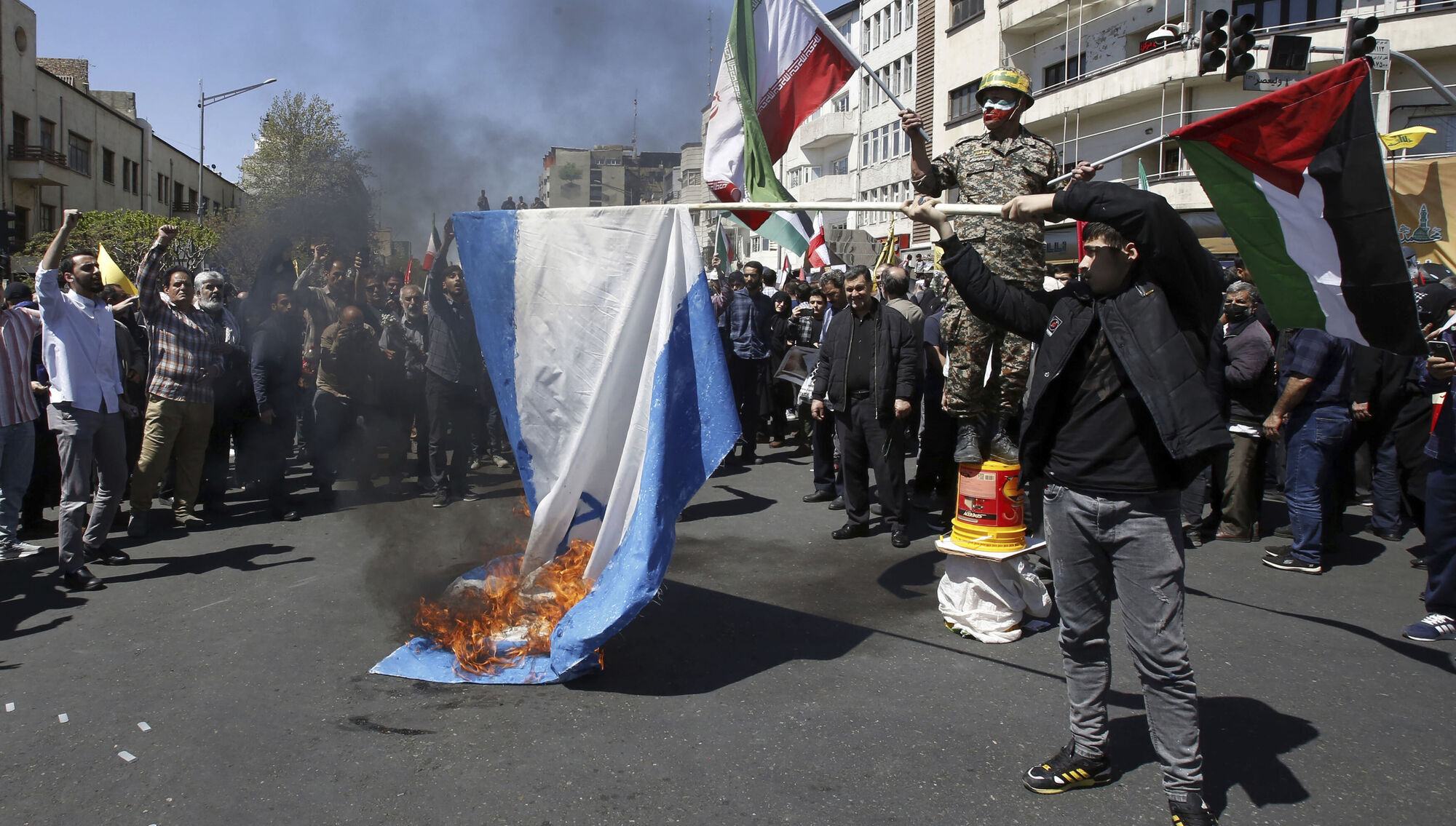
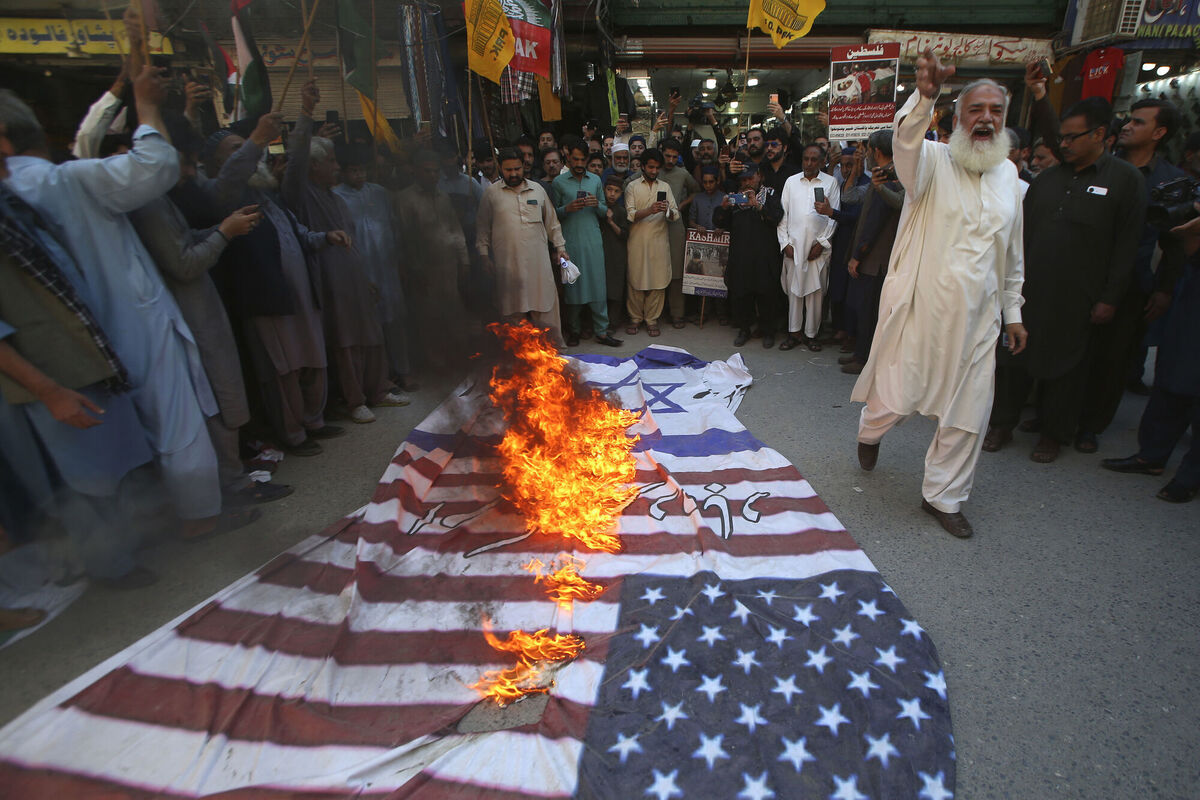
Iranian demonstrators burn a representation of the Israeli flag as one of them waves Iranian and Palestinian flags during an annual rally to mark Quds Day, or Jerusalem Day, in support of Palestinians, in Tehran, Iran. Picture: AP Photo/Vahid Salemi
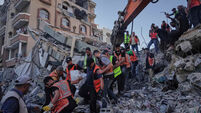
The US may intervene to help Israel defend itself from an Iranian missile attack, its officials said on Thursday, raising the possibility of a direct confrontation not only between Iran and Israel, but also between Iran and the US.
US officials briefed the Qatar-based broadcaster Al Jazeera that the US believes an Iranian attack in reprisal for the Israeli attack on the Iranian consulate in Damascus on 1 April is imminent, and will be conducted by Iran itself rather than proxy forces. The Israeli attack killed seven senior military officials, including two generals from Iran’s Islamic Revolutionary Guards.
The US also said that its officials had urged regional foreign ministers to put pressure on Iran to show restraint.
Over the past two days the Iranian foreign minister, Hossein Amir-Abdollahian, has consulted counterparts in Saudi Arabia, Qatar, the United Arab Emirates, Iraq and Turkey.
He also travelled to Damascus to see his Syrian counterparts as well as to Oman, the country most likely to act as the intermediary in sending messages to the US. In Muscat, Amir-Abdollahian said the US could not “shirk its responsibility in fully and absolutely supporting Israel’s combined war crimes”.
The German foreign minister, Annalena Baerbock, also spoke with the Iranian foreign minister and urged Tehran to show restraint.
The Iranian readouts of the phone calls did not focus on the possible Iranian response to the Israeli attack but on the need for Gulf States to do more to pressurise Israeli to agree a ceasefire in Gaza.
Amir-Abdollahian is still planning to travel to the UN headquarters in New York next week, raising doubts an Iranian missile attack on Israeli soil is imminent. An attack on the Israeli-occupied Golan Heights has also been discussed.
The US said not only was it willing to help Israel defend itself from any Iranian missile or drone strike, but it may also be willing to join an Israeli counteroffensive. Such briefings are also designed to feed into Iranian calculations into the many options it has to strike back against Israel, which it feels compelled to do since it regards Iranian diplomatic buildings as the equivalent of Iranian soil.
In a reference to the possible Iranian retaliation, Netanyahu said Israel was keeping up its war in Gaza but was also preparing for scenarios in other areas.
“Whoever harms us, we will harm them. We are prepared to meet all of the security needs of the state of Israel, both defensively and offensively,” the Israeli prime minister said in comments released by his office after a visit to the Tel Nof airbase in southern Israel.
With speculation mounting in Israel, Iran and the US, on Thursday the Kremlin called for all countries in the Middle East to show restraint to prevent the region slipping into chaos.
Kremlin spokesperson Dmitry Peskov said there had been no requests for Russia to mediate between Israel and Iran, although he said the Israeli strike on the Iranian consulate was a violation of all the principles of international law. Moscow has also advised its citizens not to travel to a range of states, including Israel, Lebanon and the Palestinian occupied territories. Lufthansa has cancelled its flights to Tehran.
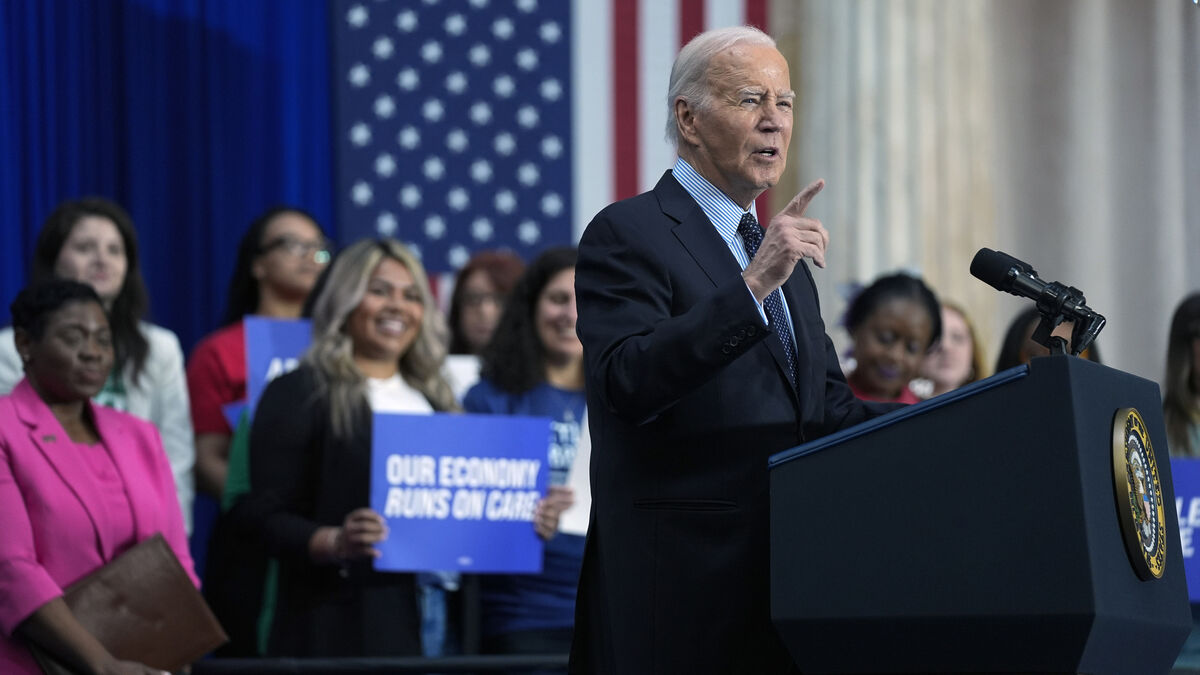
On Wednesday Joe Biden supplemented a briefing by US officials saying Iran is “threatening to launch a significant attack on Israel” and pledged “ironclad” support for its top regional ally, despite diplomatic tensions over Israel’s military conduct in Gaza.
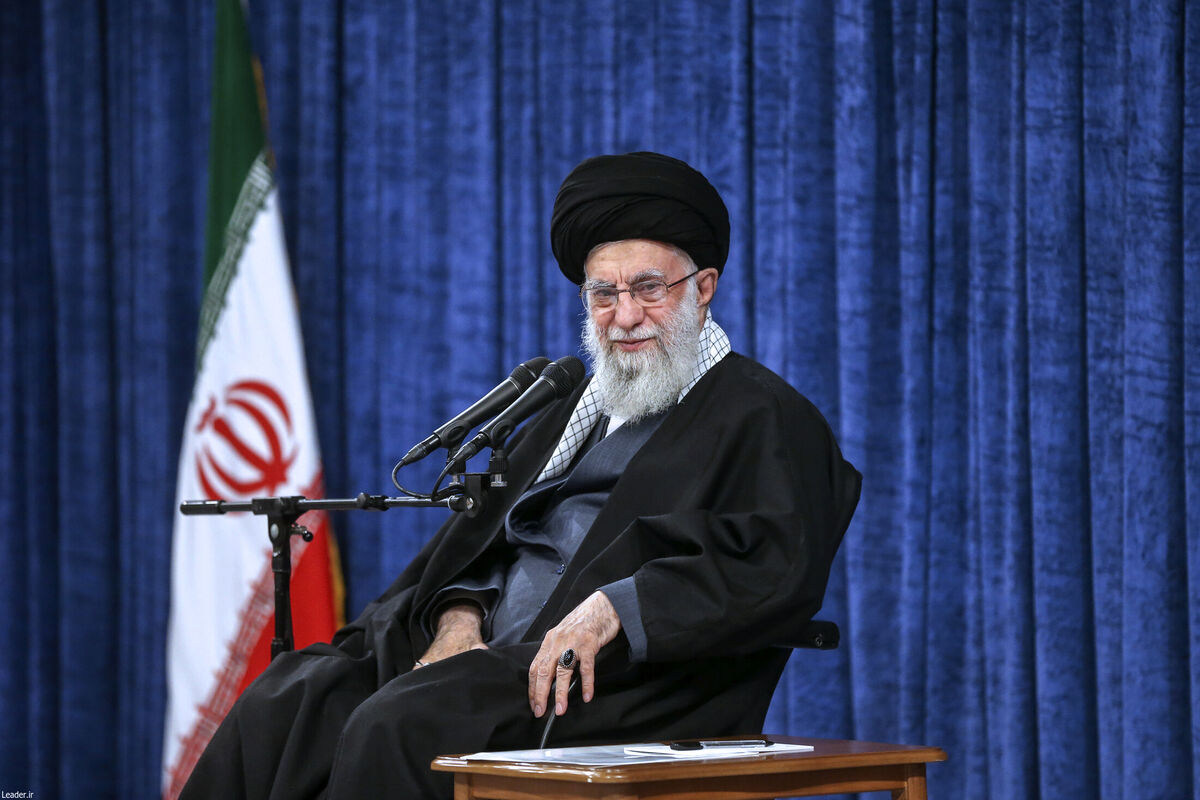
Iran’s supreme leader, Ayatollah Ali Khamenei, warned again on Wednesday that Israel “must be punished and will be punished” days after one of his advisers had said that Israeli embassies are “no longer safe”.
The Israeli foreign minister, Israel Katz, swiftly replied to Khamenei on X, warning that “if Iran attacks from its territory, Israel will respond and attack Iran”.
But there is an open debate inside Iran between diplomats and academics about the best response to what they see as psychological warfare. At one point it was reported that Iran was using the consulate attack as a lever on the US to put pressure on Benjamin Netanyahu to agree to a full ceasefire with Hamas.
There is some scepticism in Tehran that an attack on Israel is necessarily imminent, and that Biden is instead seeking to distract from the fact that his supposedly decisive and firm phone call with Netanyahu last Thursday has not produced the flood of humanitarian aid into Gaza that US officials had been demanding.
It was announced within hours of the phone call that two crossings into Gaza, shut since the October 7 Hamas attack, were to be opened. The number of food trucks entering Gaza then rose sharply to as high as 330 per day.
Israel said it was acting on the undertaking on aid given to Biden, with the Israeli defence minister Yoav Gallant saying Israel was planning to flood Gaza with aid in a new phase of humanitarian assistance.
Hezbollah’s secretary general has described the targeting of the Iranian consulate in Damascus as a “turning point” and that an “inevitable Iranian response” is forthcoming. Hassan Nasrallah also argued that “attrition” is a strategic aspect of the anticipated response which may happen “today, tomorrow, after tomorrow, in a week, ten days … there is no rush”.
Nasrallah added that Iranians are meticulous in their planning and thoroughly “calculate, study and think about [their response and] its repercussions” before acting.

CONNECT WITH US TODAY



Be the first to know the latest news and updates