Tory MP targeted in sexting scam resigns as vice-chairman of party's 1922 committee
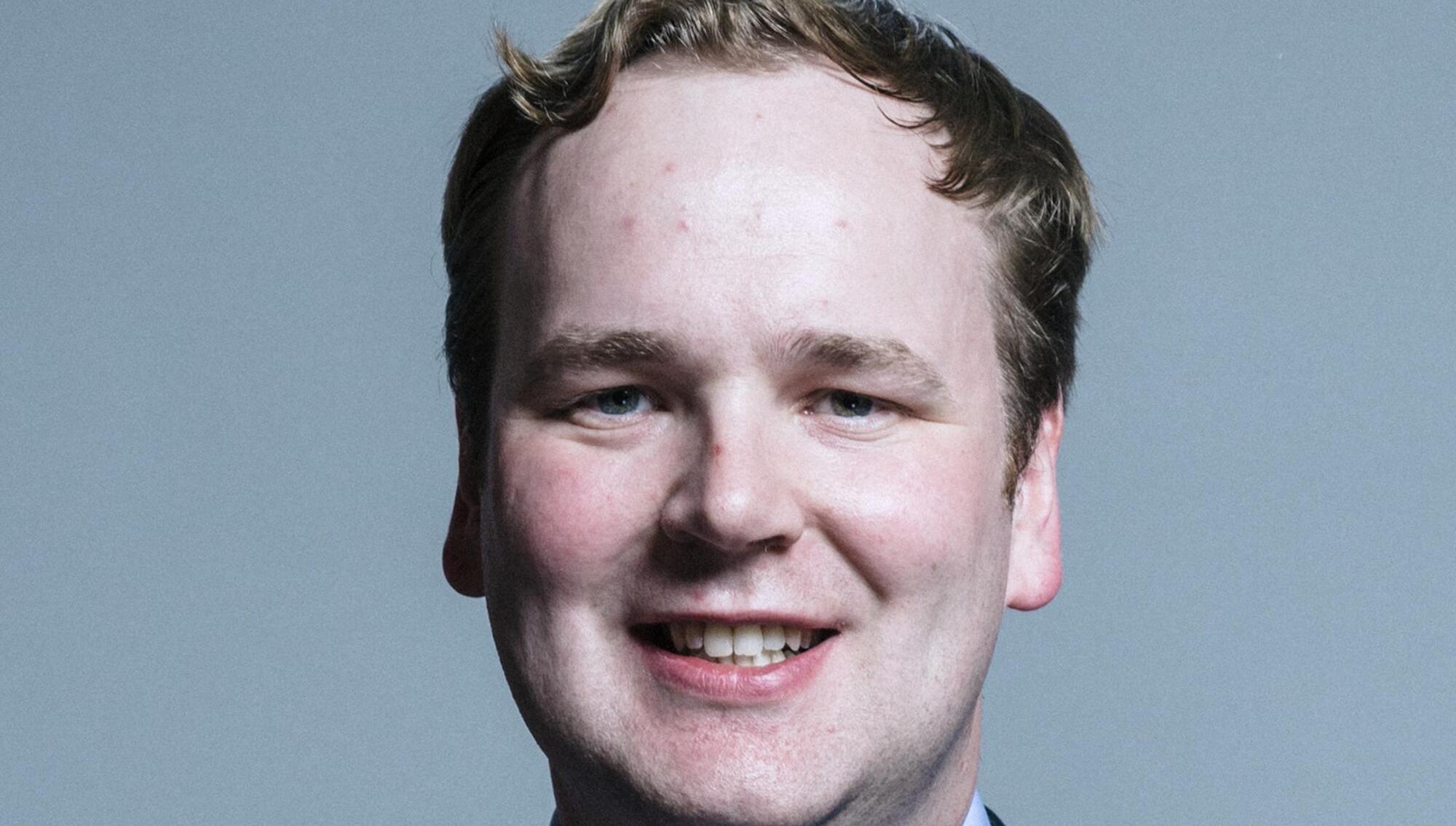
Tory MP William Wragg. File Picture: Chris McAndrew/UK Parliament/PA
A Tory MP has resigned as vice-chairman of the 1922 committee amid a backlash over his admission that he shared other politicians’ personal numbers with a suspected scammer who he met on a dating app.
William Wragg is also believed to have stepped back from his role heading the Westminster commons public administration and constitutional affairs committee (PACAC).
Mr Wragg admitted last week that he had given colleagues’ phone numbers to someone on a dating app amid fears that intimate images of himself would be leaked after he was targeted in a parliamentary sexting scam.
Scotland Yard has said it is investigating reports of the so-called “honey trap” scam after it was suggested that at least 12 men in political circles received unsolicited messages, raising security concerns.

After Mr Wragg’s revelations in , Luke Evans, Conservative MP for Bosworth, claimed he had been the victim of “cyber flashing” and was the member who alerted police to the issue.
In a video posted to Facebook on Friday, Evans said: “The first set of messages I got was on a day I was with my wife, and I got a one-time open photo on WhatsApp of an explicit image of a naked lady. As soon as I got these, the next day I reported it to the police, the authorities and the chief whip.
“Ten days later I got another set of messages. This time, however, I was sitting with my team in the constituency office, so we were able to record the conversation and catch photos and videos of the messages coming through including another explicit female image.”
The unknown scammer is said to have used the aliases “Charlie” and “Abi” while sending flirtatious messages to coax MPs into sending explicit pictures.
Mr Wragg said he was sorry for his “weakness” in responding, an apology which was praised as “courageous and fulsome” by UK chancellor Jeremy Hunt.

But pressure has mounted in recent days amid concerns over parliamentary security, with critics from across the political divide questioning Mr Wragg’s behaviour.

BLACK FRIDAY
Already a subscriber? Sign in

CONNECT WITH US TODAY



Be the first to know the latest news and updates