Afghan women fear going out alone due to Taliban decrees, says UN
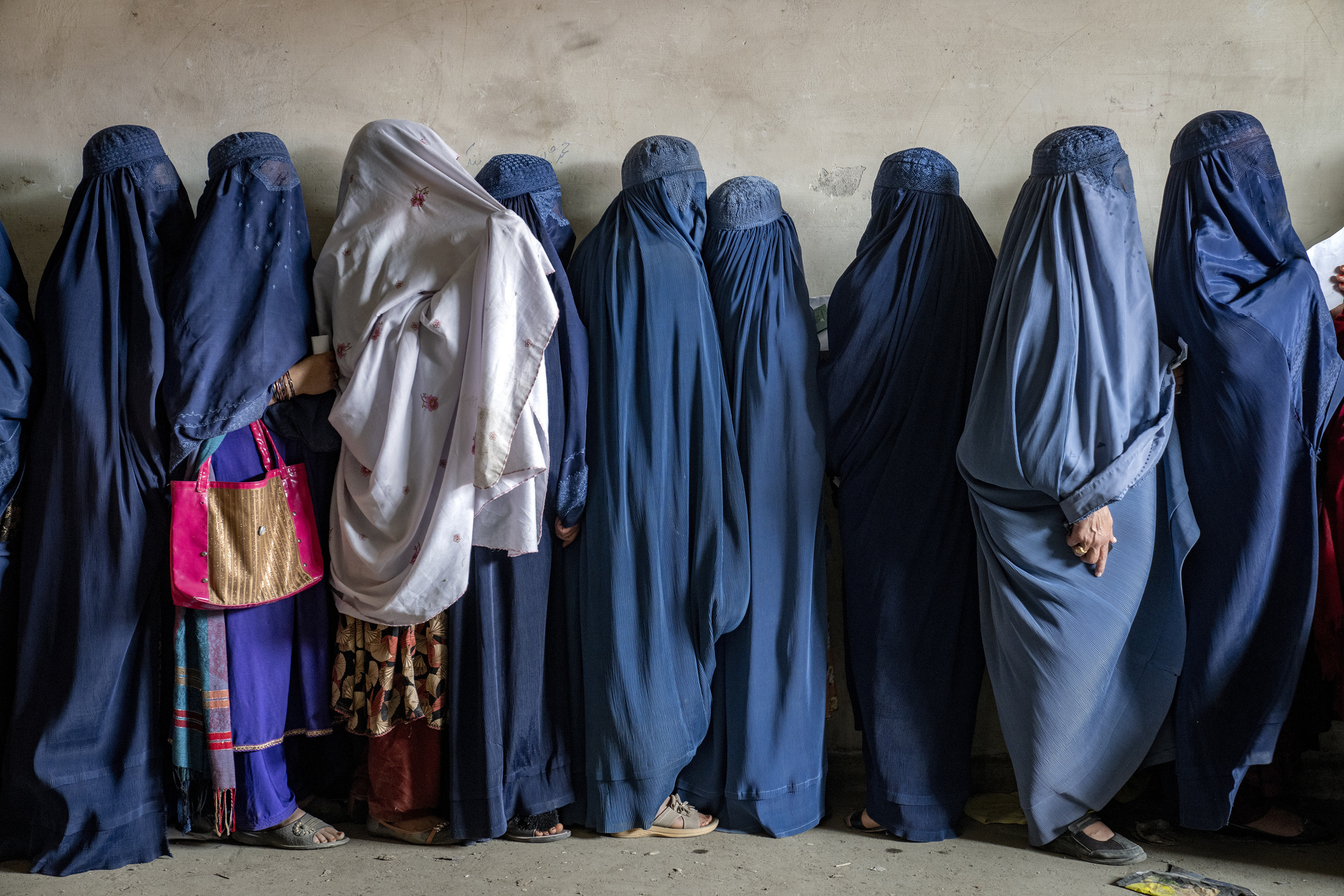
Afghan women feel scared or unsafe leaving their home alone because of Taliban decrees and enforcement campaigns on clothing and male guardians, according to a report from the UN mission in Afghanistan.
The report was issued days before a UN-convened meeting in the Qatari capital Doha, where member states and special envoys to Afghanistan are expected to discuss engagement with the Taliban.
The Taliban have barred women from most areas of public life and stopped girls from going to school beyond the sixth grade as part of harsh measures they imposed after taking power in 2021.
They are also restricting women’s access to work, travel and healthcare if they are unmarried or do not have a male guardian, and arresting those who do not comply with the Taliban’s interpretation of hijab, or Islamic headscarf.
The UN mission’s report said the decrees are being enforced through arrest, harassment and intimidation.

Women said they increasingly fear going to public spaces owing to the threat arrest and the “long-lasting stigma and shame” associated with being taken into police custody.
More than half of the women interviewed for the report felt unsafe leaving the house without a male guardian, or mahram.
Risks to their security and their anxiety levels worsened whenever a new decree was announced specifically targeting them, the report said.
Women who went out with a mahram felt safer, but noted the stress from depending on another person to accompany them.
Some said their male guardians chided them for “wasting time” if they wanted to visit certain shops or stray from a route limited to performing basic necessary tasks.
This undercut chances to “enjoy even micro-moments of stimulation or leisure” outside the home, said the report.
Some women said that male relatives were also afraid and reluctant to leave the home with female relatives, as this would expose them to Taliban harassment.
A spokesman from the Vice and Virtue Ministry, the Taliban’s morality police that enforces such decrees, said it was “nonsense and untrue” that women are scared to go to the shops.
“There is no problem for those sisters (women) who have observed hijab,” said Abdul Ghafar Farooq.
“As women are naturally weaker than men, then Shariah (Islamic law) has called mahrams essential when travelling with them for the sake of their dignity and respect.”
He said harassing women was against the law.
Heather Barr, from Human Rights Watch, told the Associated Press that Afghan women’s fear of leaving home unaccompanied was “damning and devastating” but not surprising.
It seemed to be a specific goal of the Taliban to frighten women and girls out of leaving their homes, Ms Barr said.
“This begs the question of what on earth this discussion is in Doha, with the UN hosting special envoys,” she said.
“We need to be asking why the focus of this meeting and every meeting isn’t about this crisis that is unprecedented for women around the world.”
The UN envoy for Afghanistan last year warned the Taliban that international recognition as the country’s legitimate government will remain “nearly impossible” unless they lift the restrictions on women.

CONNECT WITH US TODAY



Be the first to know the latest news and updates