EU pays the final tranche of Ukraine budget support for 2023
The European Union on Thursday paid the final tranche of a multibillion-euro support package to Ukraine to help keep its war-ravaged economy afloat this year, leaving the country without a financial lifeline from Europe as of next month.
The EU has sent €1.5 billion each month in 2023 to ensure macroeconomic stability and rebuild critical infrastructure destroyed in the war.
It is also helping to pay wages and pensions, keep hospitals and schools running, and provide shelter for people forced from their homes.
To ensure that Ukraine has predictable, longer-term income, the EU’s executive branch, the European Commission, proposed to provide the country with €50 billion.
At a summit last week, 26 of the 27 nation bloc’s leaders endorsed the plan, but Hungary imposed a veto.
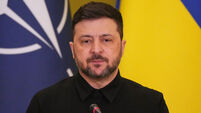
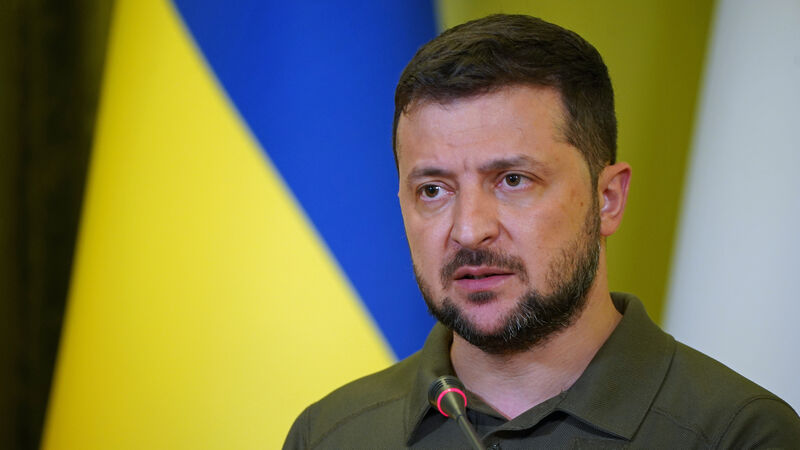
The decision came as a major blow to Ukrainian President Volodymyr Zelenskyy, days after he had failed to persuade US politicians to approve an additional $61 billion for his war effort.
Hungary’s nationalist leader, Prime Minister Viktor Orban, is widely considered to be Russian President Vladimir Putin’s closest ally in the EU. Critics accuse him of putting Moscow’s interests ahead of those of his EU and Nato allies.
Mr Orban has called for an immediate end to the fighting, which has ground on for almost two years, and pushed for peace talks between Moscow and Kyiv.
Last week, he accused his EU partners of seeking to prolong the war and said that sending more money to Ukraine was a “violation of (Hungary’s) interests”.
Mr Orban is set to meet again with fellow EU leaders on February 1 to try to break the deadlock.
The €50 billion package is included in a revision of the bloc’s long-term budget. More money is needed to pay for EU policy priorities given the fallout from the war, including high energy prices and inflation, and the impact of the Covid-19 pandemic.
Announcing that 2023 macro-financial support to Ukraine had come to an end, European Commission President Ursula von der Leyen offered no hint of what help Kyiv might receive come January.
Commission officials have not been able to answer questions about what financial support might be available.
“We need to continue supporting Ukraine to ensure its economic stability, to reform and to rebuild. This is why we are working hard to find an agreement on our proposal of €50 billion for Ukraine between next year until 2027,” she said in a statement.
The EU has provided almost €85 billion, including in financial, humanitarian, emergency budget and military support, to Ukraine since Russian forces launched a full-scale invasion on February 24, 2022.
CONNECT WITH US TODAY



Be the first to know the latest news and updates