Scientists find targeting tumour ‘scaffolding’ slows breast cancer
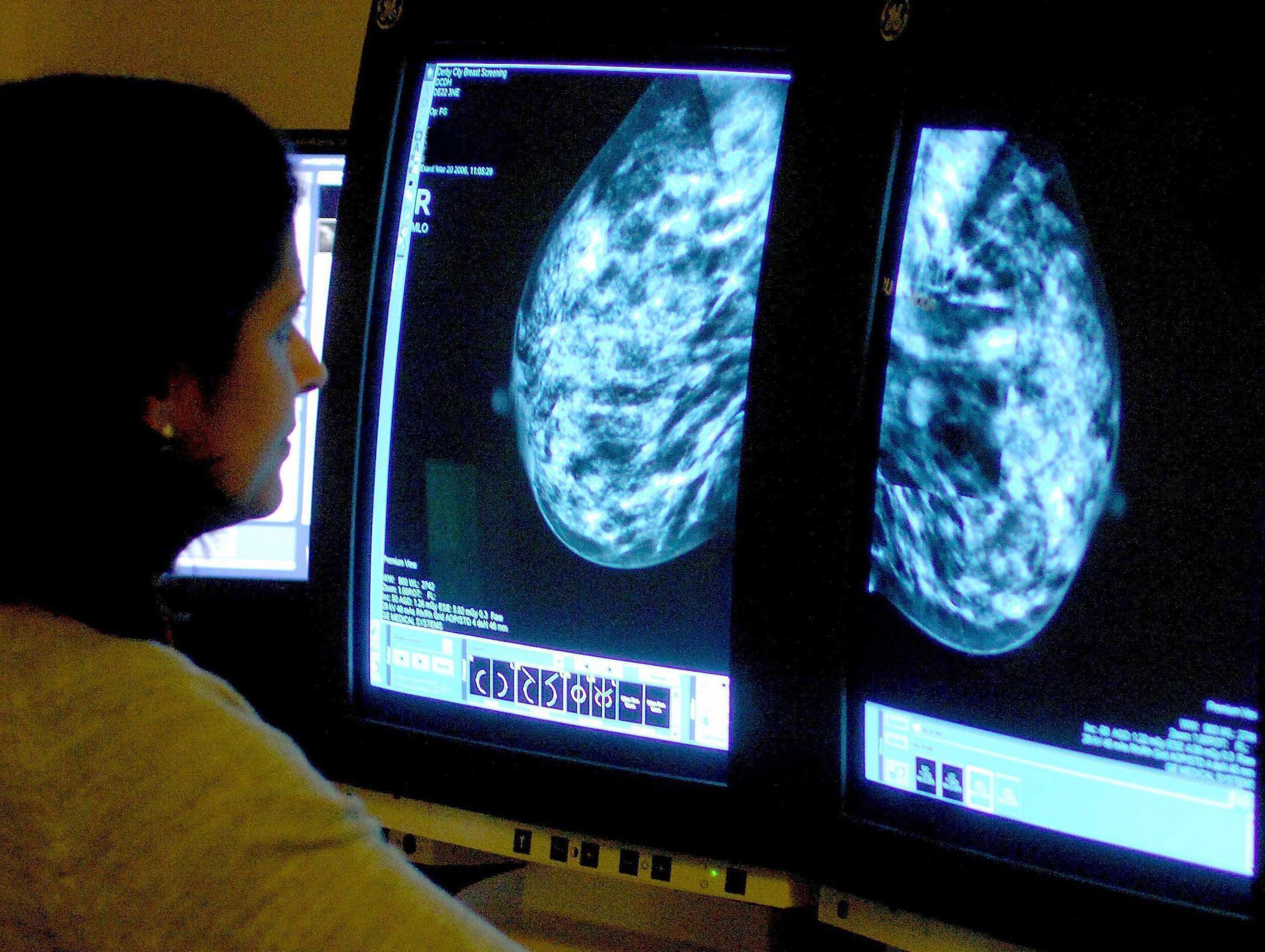
Proline is used to make collagen, which is required to form skin, hair and nails, but in cancer it can be used to build the “scaffolding” around which tumours can grow. File Picture
Researchers have found that breast cancer tumours could be prevented from growing by targeting the “scaffolding” that surrounds them.
Scientists in Glasgow from the Cancer Research UK Beatson Institute showed that tumours create a large amount of the amino acid proline and found that when they stopped its production, cancer cells were less likely to grow and spread.
Proline is used to make collagen, which is required to form skin, hair and nails, but in cancer it can be used to build the “scaffolding” around which tumours can grow.
The study, published in , stated that collagen in cancer is produced by cells called cancer-associated fibroblasts which have become hijacked by cancer to provide the tumour with the essential materials it needs to grow.
The researchers believe that blocking the proline in the cancer-associated fibroblasts could be key to treating breast cancer in the future.
Professor Sara Zanivan of the Cancer Research UK Beatson Institute said: “A high level of collagen production is linked to more aggressive forms of breast cancer.
“Preventing cancer-associated fibroblasts from providing tumours with the essentials they need to grow could be key to slowing, or even preventing, the growth of tumours in aggressive forms of breast cancer.”
CONNECT WITH US TODAY



Be the first to know the latest news and updates