Companies hit by ransomware often targeted again, research says
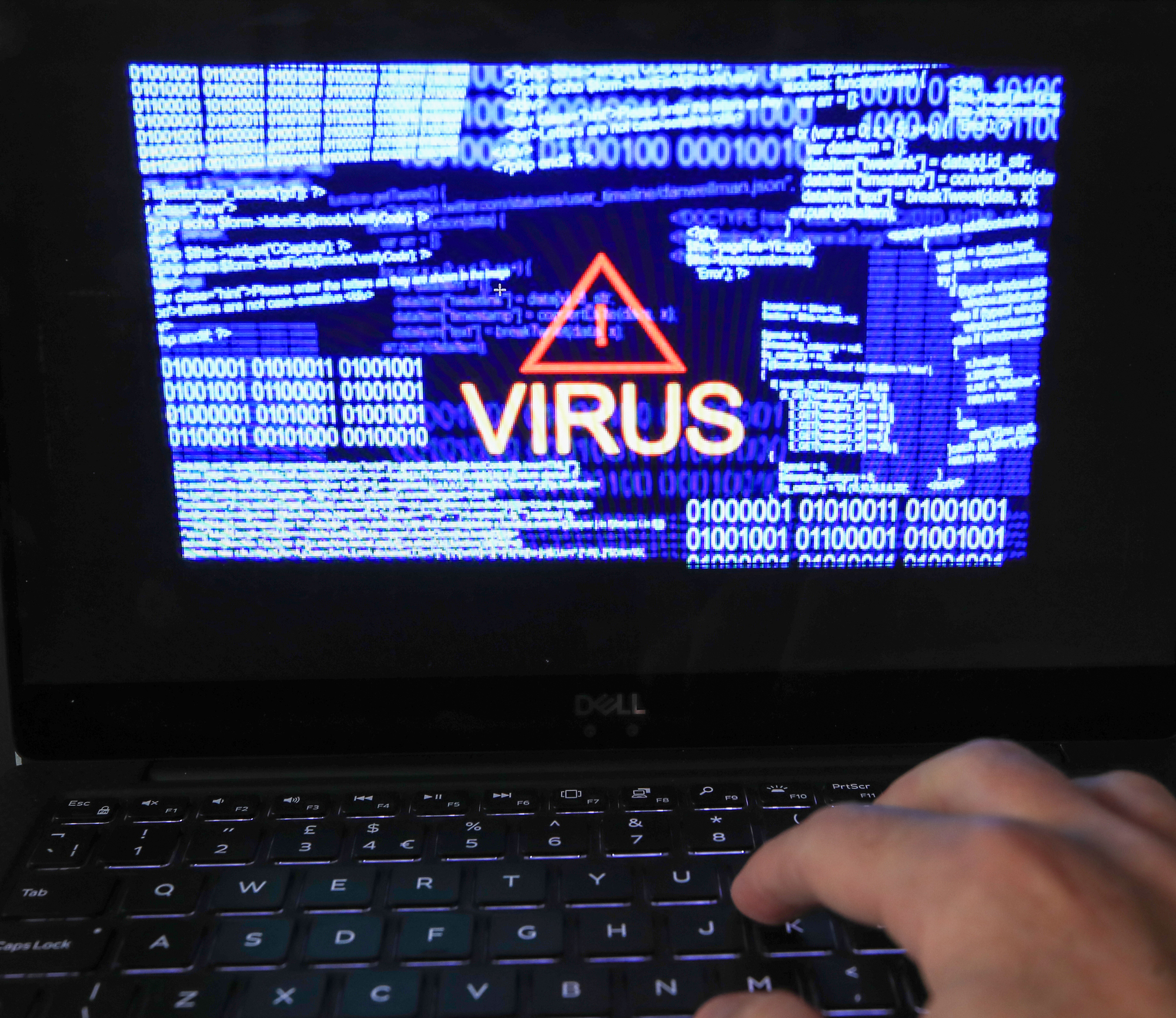
The Hiscox Cyber Readiness Report found that 36% of companies that made the ransom payment were hit again (Peter Byrne/PA)
More than a third of companies who paid a ransom to cybercriminals after being hit by a ransomware attack went on to be targeted for a second time, according to a new report.
The Hiscox Cyber Readiness Report found that 36% of companies that made the ransom payment were hit again, while 41% who paid failed to recover all of their data.
Ransomware is a form of cyber attack which locks files and data on a user’s computer and demands payment in order for them to be released back to the owner and has been used as part of a number of high-profile cyber attacks in recent years
According to the Hiscox report, 43% of the businesses who paid a ransom saying they still had to rebuild their systems.
While 29% said that despite making the payment their stolen data was still leaked.
A further 26% said a ransomware attack had had a significant financial impact on their business.
The report was based on a survey of more than 5,000 organisations across eight countries, including the UK and Ireland.
Gareth Wharton, Hiscox Cyber chief executive, said: “Ransomware is still the most prevalent and damaging form of cyber attack and it is not uncommon for a company to be hit multiple times.
“Even if a business owner makes the decision to pay the ransom, often they cannot fully restore their systems or prevent a data breach.
“That is why it is vital that businesses take the necessary steps to protect their data and systems against a cyber attack; making it harder for cyber criminals to gain entry to their systems by keeping software up-to-date, running regular in-house training, and frequently backing-up data.
“Our report shows that investing in building robust cyber defences and preparing an effective response for an attack are more effective than paying cybercriminals.
“It is revealing that more than a quarter of businesses we surveyed paid a ransom in the hope of recovering their data because they did not have any back-ups when regular and robust back-up processes can be one of the most effective ways of mitigating the impact of a ransomware attack.”