One in 20 Covid patients suffer long-term smell or taste issues – study
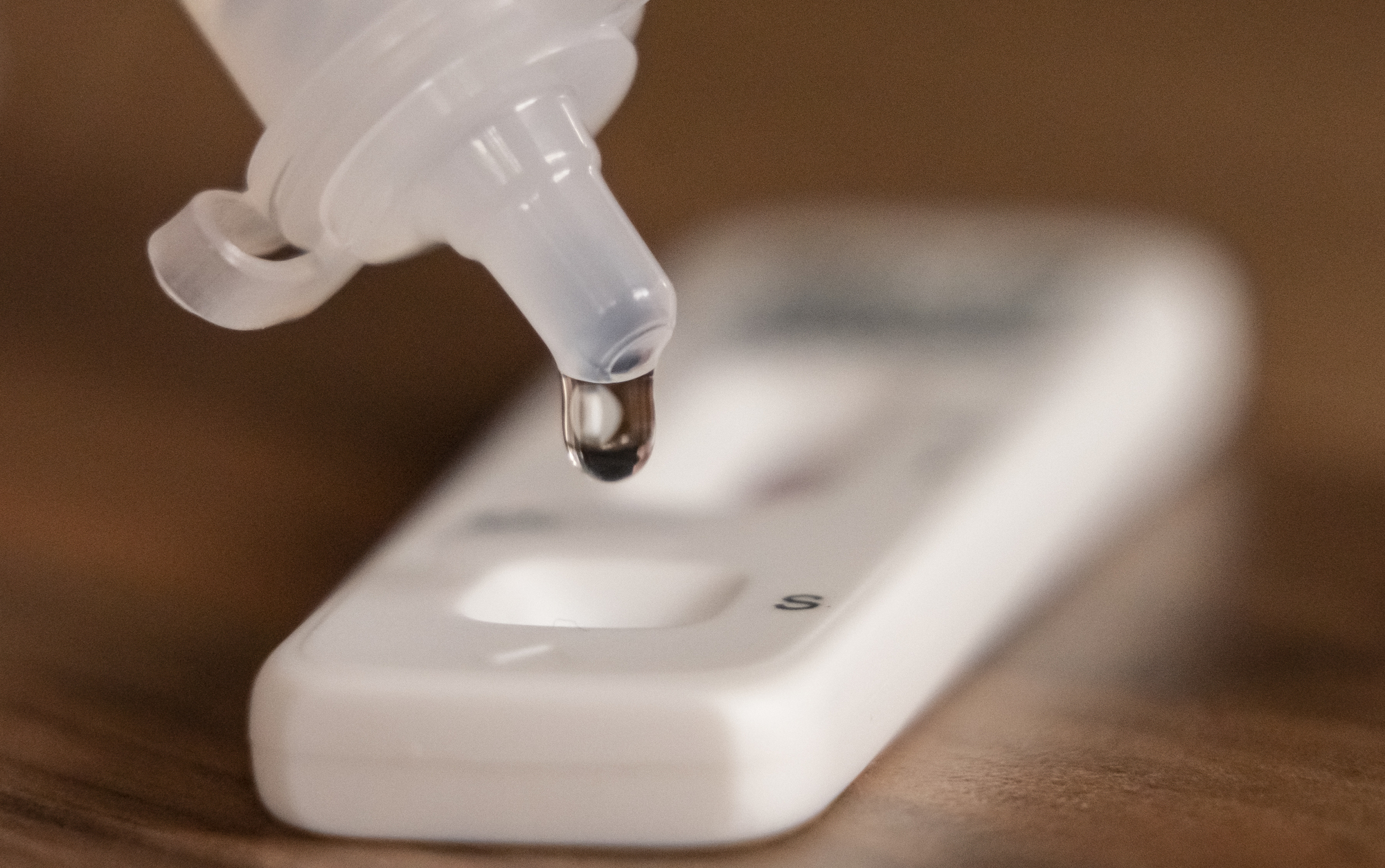
Researchers concluded that an estimated 5.6% of Covid patients suffer smell dysfunction for at least six months and 4.4% have an altered taste
One in every 20 people who catch Covid-19 have long-term smell or taste problems as a result, according to a new study.
This could mean that millions of people around the world may have suffered smell and taste issues for at least six months following a Covid-19 infection.
Loss or change of sense of smell or taste can suffer “severe distress”, academics said as they urged health systems to be prepared to support people who often feel “isolated” when dismissed by clinicians.
They said daily activities such as smelling coffee and testing the flavour of food can become “disgusting and emotionally distressing”.
Published in The BMJ, the study reviewed data from 18 studies involving 3,699 patients.
Based on the data, the team of international researchers used modelling to estimate how many people go on to suffer from altered taste or smell for at least six months after a Covid-19 infection.
They concluded that an estimated 5.6% of Covid patients suffer smell dysfunction for at least six months and 4.4% have an altered taste.
In July there had been some 550 million infections worldwide, which means 15 million may have had lasting smell problems and 12 million patients had taste problems for at least six months, the authors estimated.
Women were less likely to recover their sense of smell and taste, they found.
And patients who suffered the most at the initial infection were also more likely to have lasting effects.
In a linked editorial, a team of Italian academics wrote: “About 5% of people report smell and taste dysfunction six months after Covid-19, and given that an estimated 550 million cases of Covid-19 have been reported worldwide as of July 2022, large numbers of patients will be seeking care for these disabling morbidities.
“Health systems should therefore be ready to provide support to these patients who often report feeling isolated when their symptoms are overlooked by clinicians.”
They said people “only realise the importance of smell when it is lost” and they can be “severely distressed” when they lose these senses.
“Loss of smell and taste adversely affects quality of life by depriving those affected of several everyday pleasures and social bonds,” the team, led by Paolo Boscolo-Rizzo from the University of Trieste, wrote.
“People can also experience anorexia, food aversions, malnutrition, anxiety, and depression,” they added.
They highlighted that parosmia – the experience of a distorted sense of smell – means that for many this “transforms a pleasant odour into an unpleasant one”.
This means that “daily activities such as smelling coffee and sensing the flavour of food can become disgusting and emotionally distressing”.


CONNECT WITH US TODAY



Be the first to know the latest news and updates