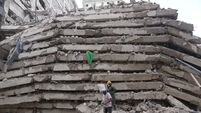
269 attacks on health facilities in 100 days since Russia's invasion of Ukraine
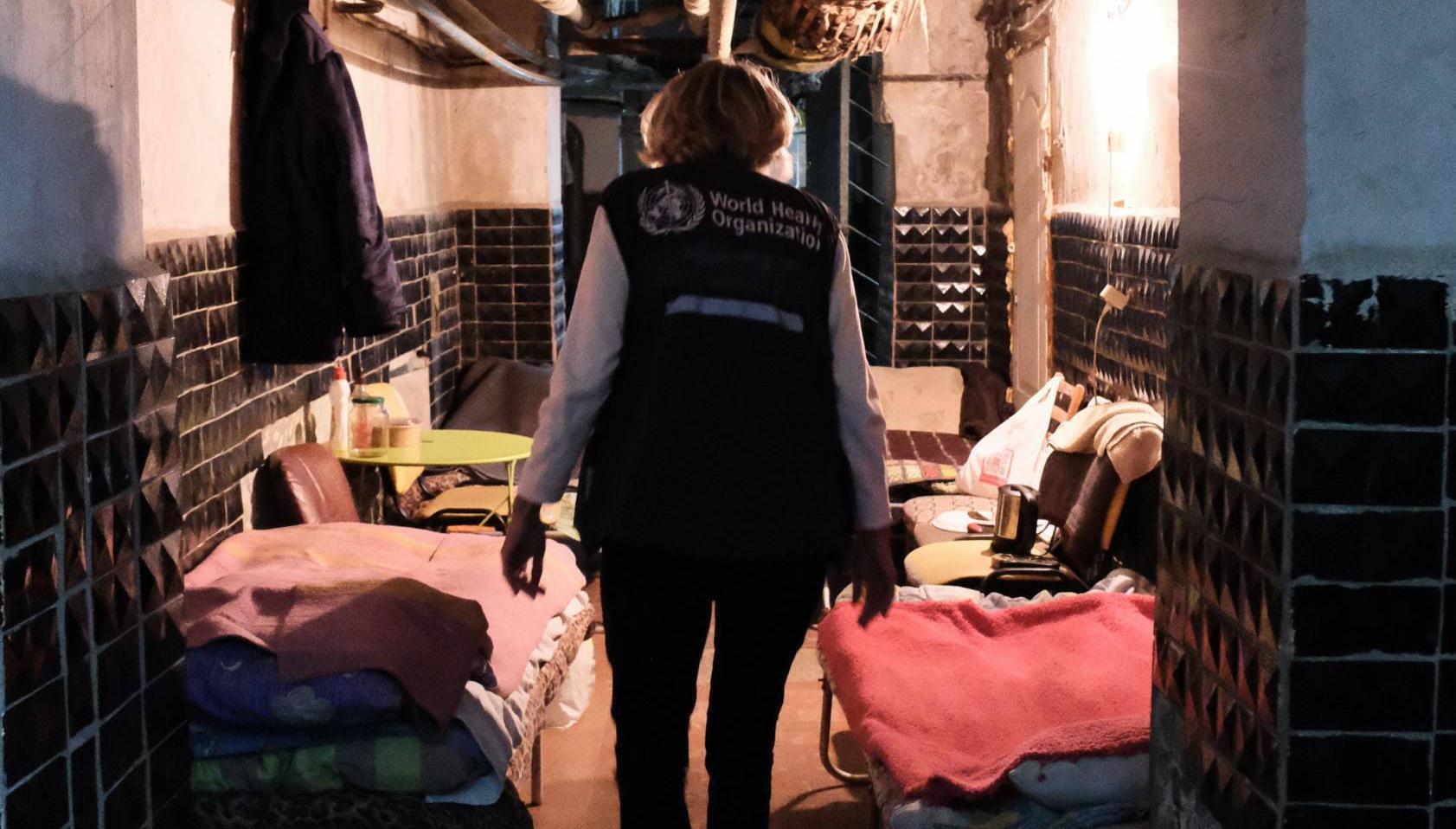
A makeshift hospital has been set up in a bunker in Ukraine. Picture: WHO Newsroom
More than 260 attacks have now taken place on health facilities in Ukraine and staff are working on “ a knife edge” the World Health Organisation (WHO) said.
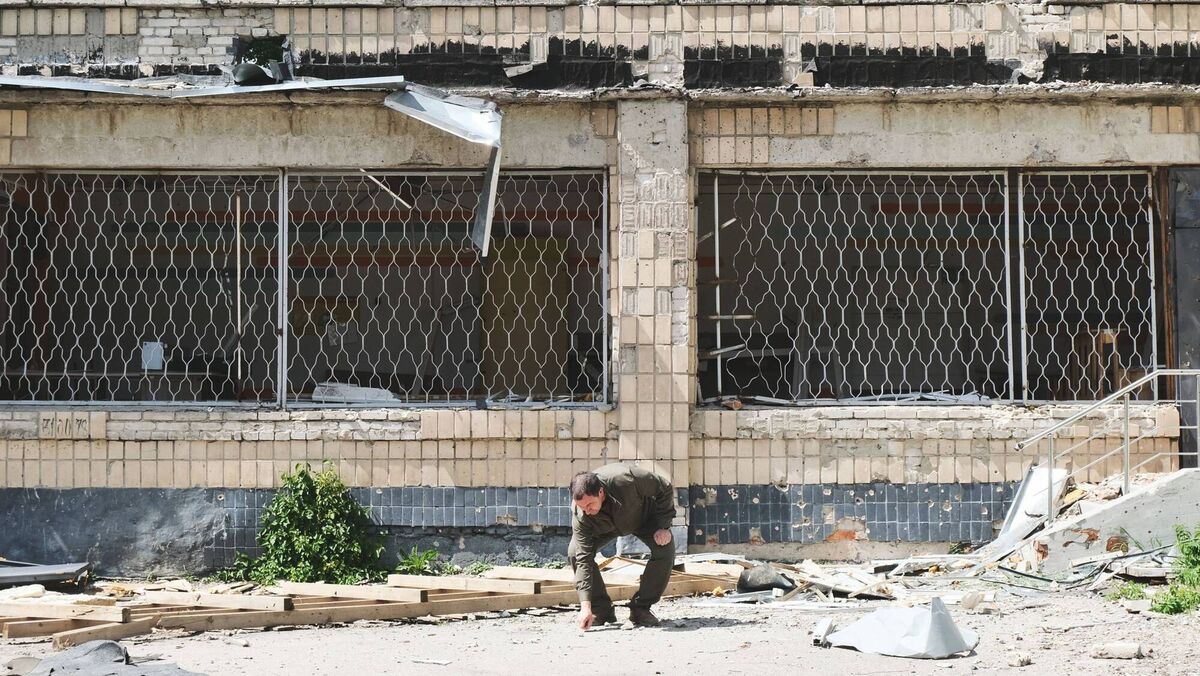
Marking 100 days since Russia invaded Ukraine, the WHO said the health system across the country continues to be “under severe pressure”. Up to Thursday, they verified 269 attacks on health facilities, killing at least 76 people and injuring 59.
They warned some healthcare buildings have been destroyed and others are now “overwhelmed” by people suffering from trauma as well as injuries resulting directly from the war.
In the eastern city of Kharkiev hospitals moved patients to underground bomb shelters on February 24 and are still treating them there, deep underground.
Hospital beds and operating rooms were all relocated.
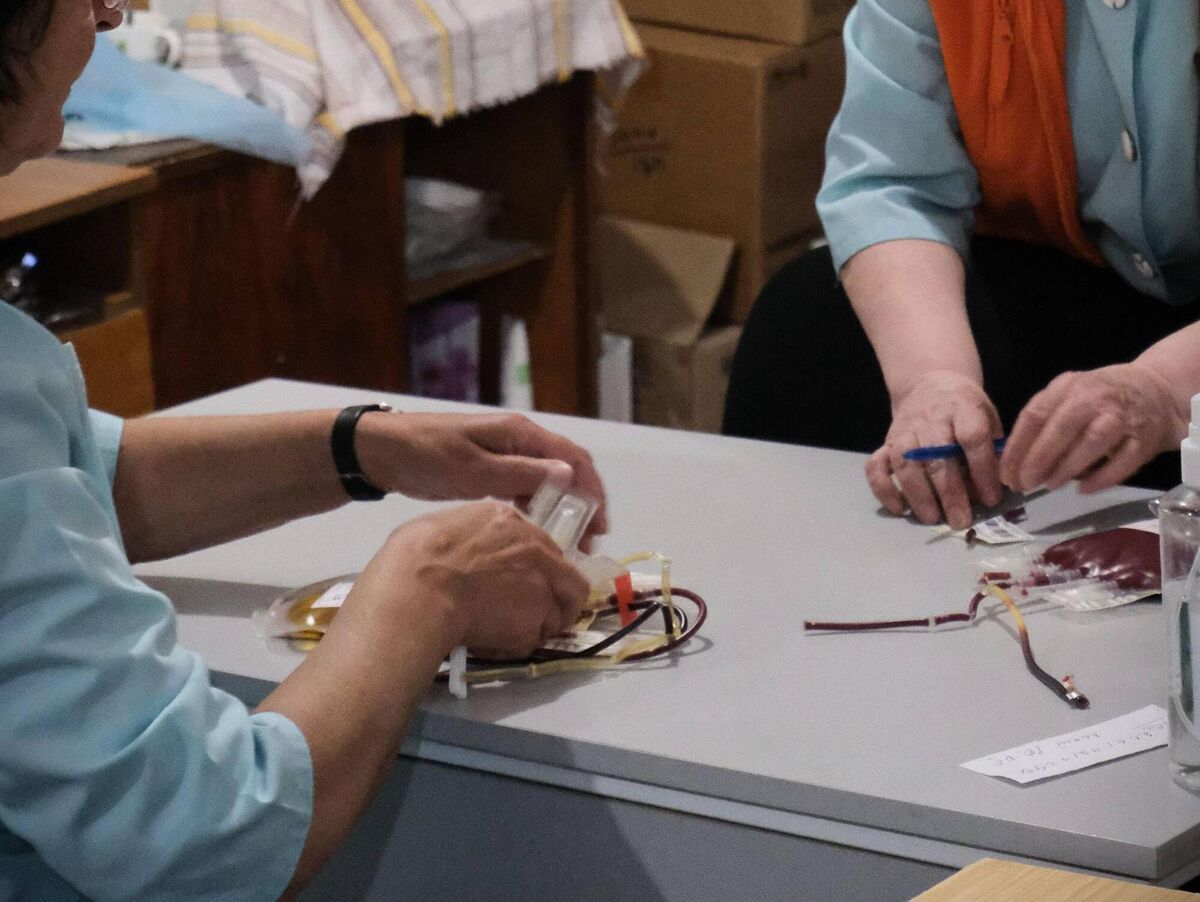
“There is even a fully functioning blood bank where people from the town come every day to give blood to keep life pumping through the veins of their fellow citizens injured by the blasts that are keeping the health workers in the basement,” the WHO said.
The children’s hospital in the city was destroyed by a cluster bomb. The director told the WHO they still cannot allow children into the hospital playground as they are still finding pieces of shrapnel from that bomb.
WHO Director-General Dr Tedros Adhanom Ghebreyesus said: “This war has gone on for 100 days too many, shattering lives and communities, and imperilling the short- and long-term health of Ukraine’s people.” He called on the Russian Federation to end the war.
WHO Regional Director for Europe Dr Hans Henri P Kluge said: “These attacks are not justifiable, they are never OK, and they must be investigated. No health professional should have to deliver health care on a knife edge, but this is just what nurses, doctors, ambulance drivers, the medical teams in Ukraine are doing.”
The WHO reaffirmed it is committed to remaining in the war-torn area for the long term.
“Throughout the country, health care professionals report that the most common request now is help to deal with sleeplessness, anxiety, grief and psychological pain,” the WHO said.
They have appealed again for funding, asking for $147.5m (€137m) for both immediate healthcare support and long term recovery. Of this $67.5m (€62m) will go to countries hosting large numbers of refuges including Poland, Moldova, Romana, the Czech Republic.
Medical supplies going into Ukraine include ambulances, trauma surgery supplies, electric generators and oxygen equipment. The funding also supports building oxygen plants to help hospitals function autonomously and Ukrainian-made ventilators which can run independently during power-cuts.
Over 1,300 local staff have also been trained in trauma surgery, mass casualties, burns and how to treat patients who suffered chemical exposure.
Ukrainians with chronic illness or facing Covid-19 infection also need help, with the Ukraine Public Health Centre now working with the WHO to re-build systems for laboratory diagnostics and vaccination programmes.
Ireland has sent medical aid to Ukraine through supporting the WHO fund, and also direct aid including ambulances delivered through the charitable project Medical Help Ukraine, part of the Association of Ukrainians in Republic of Ireland.

CONNECT WITH US TODAY



Be the first to know the latest news and updates