EU proposes ban on all Russian oil in new sanctions on Moscow
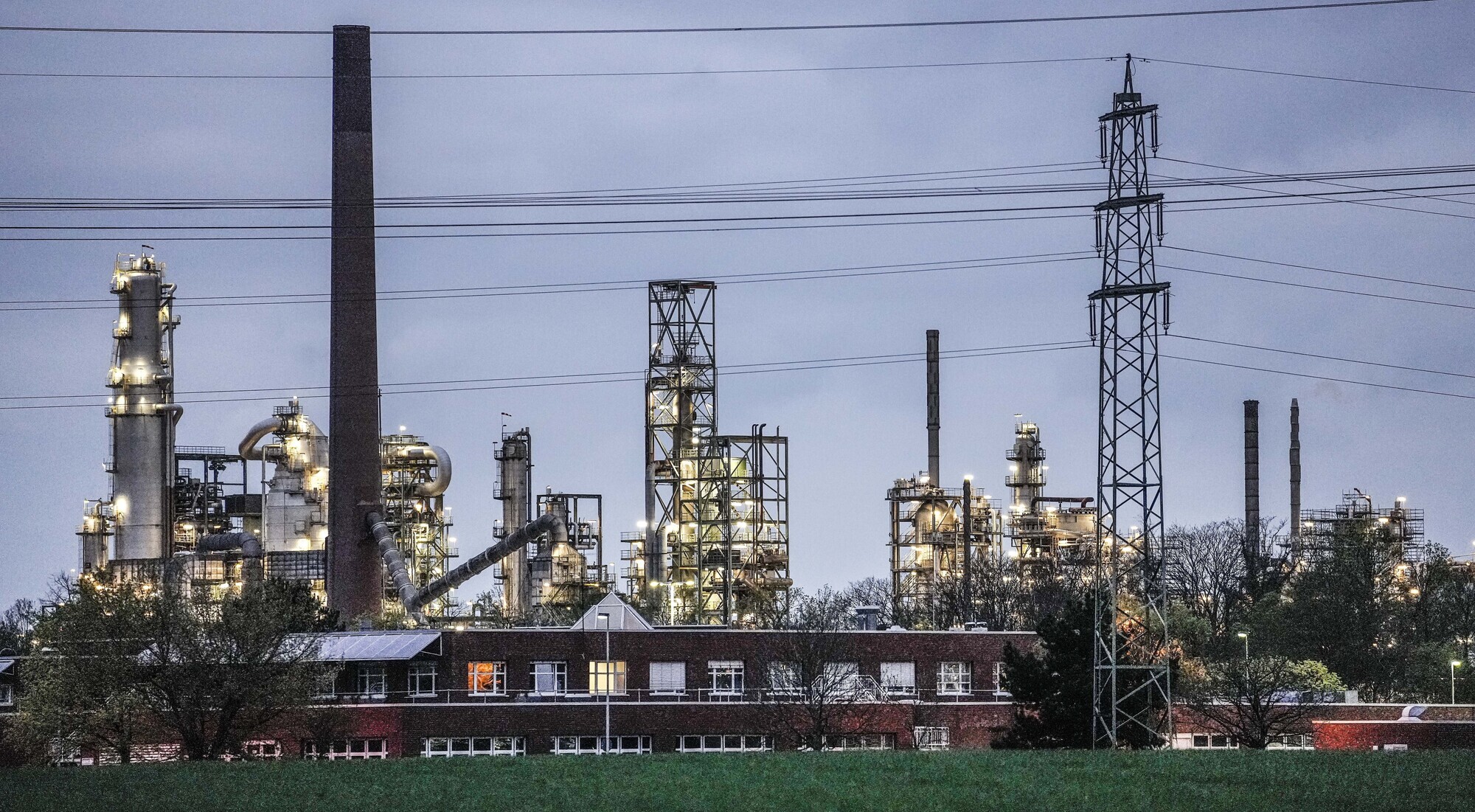
A Shell chemical plant is illuminated in Wesseling, near Cologne, Germany, on April 6, 2022. Picture: AP Photo/Martin Meissner, File
The European Unionâs leader has called on the 27-nation bloc to ban oil imports from Russia in a sixth package of sanctions targeting Moscow for its war in Ukraine.
European Commission president Ursula von der Leyen also proposed that Sberbank, Russiaâs largest bank, and two other major banks be disconnected from the Swift international banking payment system.
Ms von der Leyen, addressing the European Parliament in Strasbourg, France, called on the EUâs member nations to phase out imports of crude oil within six months and refined products by the end of the year.
âWe will make sure that we phase out Russian oil in an orderly fashion, in a way that allows us and our partners to secure alternative supply routes and minimises the impact on global markets,â said Ms von der Leyen.
The proposals need to be unanimously approved to take effect and are likely to be the subject of fierce debate.
Ms von der Leyen conceded that getting all 27 member countries â some of them landlocked and highly dependent on Russia for energy supplies â to agree on oil sanctions âwill not be easyâ.
If approved, the ban on oil imports will be the second package of EU sanctions targeting Russiaâs lucrative energy industry over its war in Ukraine that President Vladimir Putin started on February 24.

In addition to sanctions on various entities and individuals â including Mr Putin himself and members of his family â the bloc previously approved an embargo on coal imports.
The EU has started discussions on a possible natural gas embargo, but consensus among member countries on targeting the fuel used to generate electricity and heat homes is more difficult to secure.
Hungary and Slovakia have already said they would not take part in any oil sanctions, but Ms von der Leyen did not elaborate on whether they would receive an exemption from the sanctions, although this appears likely.
Ms von der Leyen also said that the EU should target high-ranking military officers and others âwho committed war crimes in Buchaâ, a suburb of the capital Kyiv. Ukrainian officials have alleged that retreating Russian troops carried out mass killings of civilians in Bucha.
âThis sends another important signal to all perpetrators of the Kremlinâs war: We know who you are. We will hold you accountable. Youâre not getting away with this,â Ms von der Leyen said.
Banks are also in the EU executive armâs sights, and notably Sberbank. Ms von der Leyen said the aim is that âwe de-Swift Sberbankâ. Swift is the major global system for financial transfers.
Ms von der Leyen said Sberbank holds around 37% of the Russian banking sector.
âAnd we will also de-Swift two other major banks in Russia. By that, we hit banks that are systemically critical to the Russian financial system and Putinâs ability to wage destruction,â she said.
Ms Von der Leyen added that those alleged to be spreading disinformation about the war in Ukraine would be targeted.
She said: âWe are banning three big Russian state-owned broadcasters from our airwaves. They will not be allowed to distribute their content anymore in the EU, in whatever shape or form be it on cable, via satellite, on the internet or via smartphone apps.âÂ
She did not name the broadcasters directly, but branded the television channels âas mouthpieces that amplify Putinâs lies and propaganda aggressivelyâ, adding: âWe should not give them a stage anymore to spread these lies.â