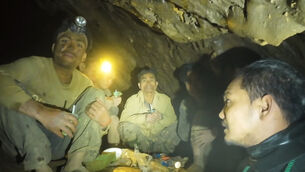
Moldova opens former residential institutions to shelter fleeing Ukrainian refugees
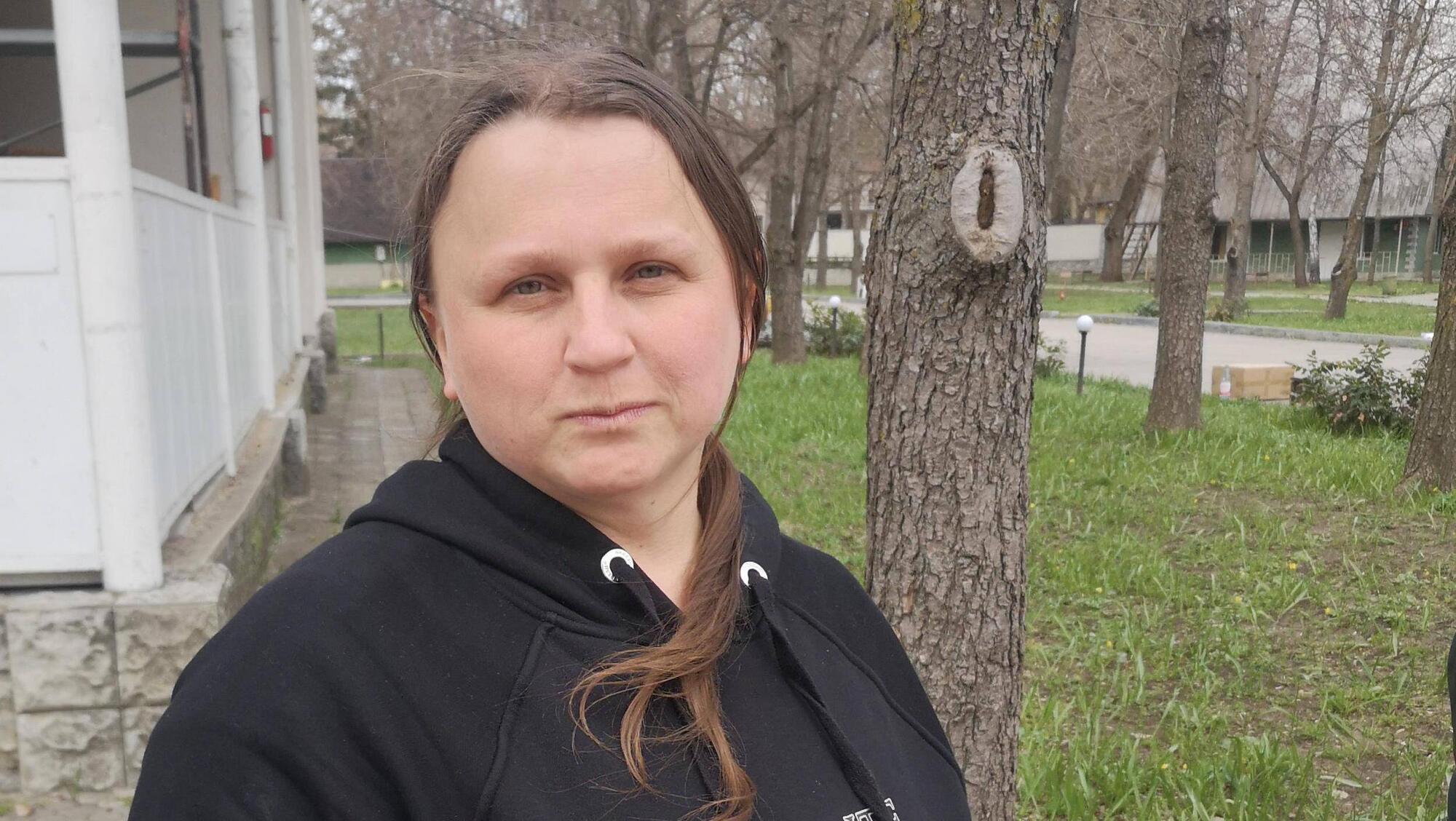
41-year-old Svetlana Melnyck who fled from her home in Uman, Ukraine, over the border to neighbouring Moldova.
The Moldovan government is reopening former residential institutions to provide temporary housing for refugees from Ukraine as part of the growing efforts to support people.
Pressure on accommodation has been severe especially in the capital Chisinau. Many of those fleeing the conflict are in large family groups with one woman telling the seven people aged between eight and 73 travelled in their car.
Svetlana Melnyck (41) said she fled the city of Uman with her daughter (15), mother (73), sister and younger relatives.
A military base near the city meant it was an early target for Russia, and she described seeing burning apartment buildings near their home with additional shocks caused by exploding munitions at the base.
She said of the 12-hour drive:
Housed on a spacious campus in quiet hills by one of the many Moldovan voluntary groups helping the government, the family does not wish to move further away from the border.
“One of my sisters is still there, she hears the air-raid sirens all the time and has to run and hide, it’s pretty awful,” she said, adding they have vulnerable older relatives who cannot travel.
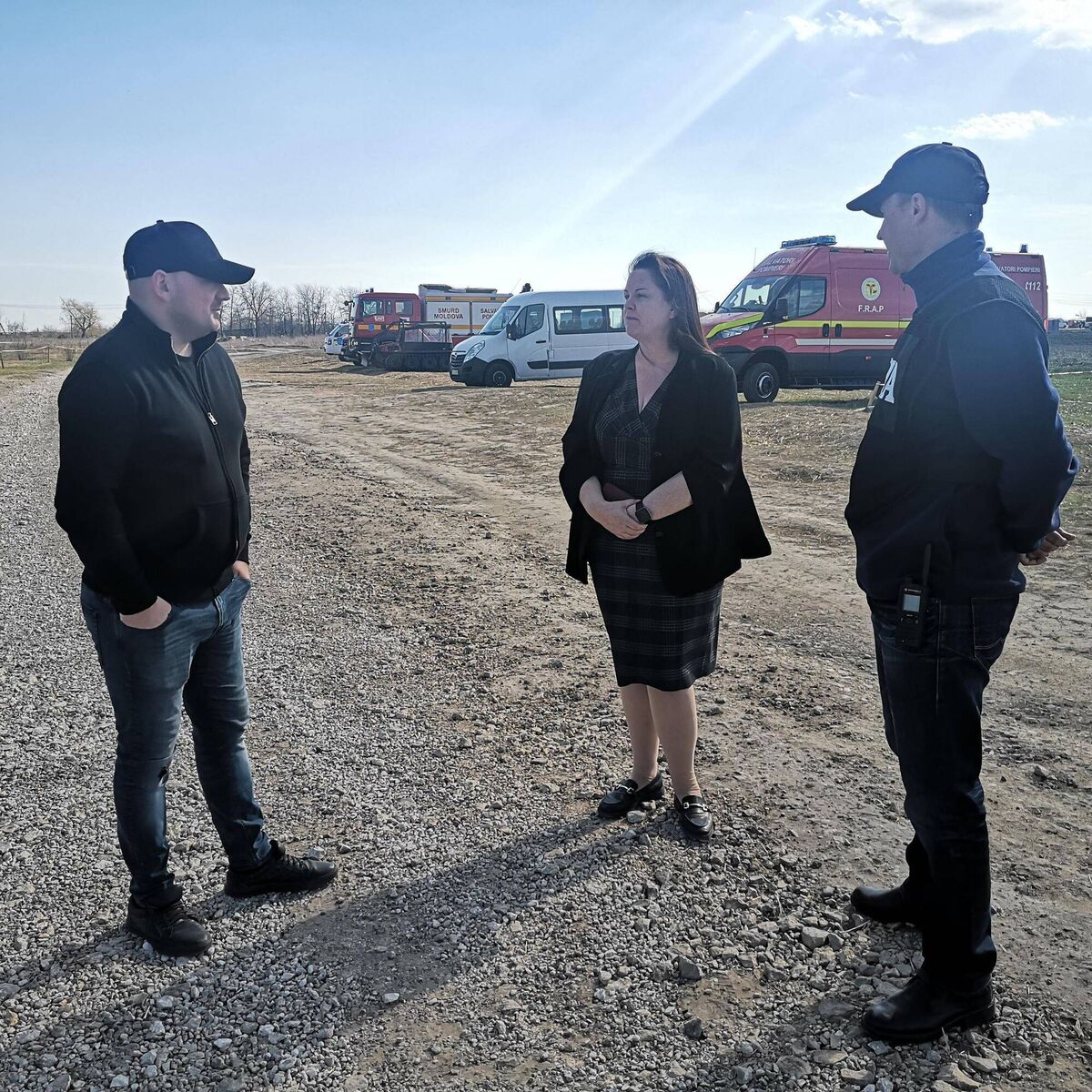
Director at the centre Alexei Burcovscki said they have 114 people already on the site which usually offers Christian children’s camps. They could take 300.
Honorary Consul of Ireland in Moldova Dr Suzanne O’Connell said the Ministry for Social Welfare has been re-opening 43 former residential institutions to provide temporary accommodation.
These are recently closed institutions under reforms to the health services, similar to the HSE’s move away from large residential care facilities. They can offer private rooms with staff on-site.
Dr O’Connell, a doctor with Outreach Moldova, said some of the placement centres can hold “up to 300 people”.
The centres also offer gardens, she said. Having worked along the border since the start of the crisis, she saw many women walking while carrying young children, supporting elderly people or even pushing wheelchairs.
By Wednesday Moldova had seen 401,704 arrivals according to UN refugee agency UNHCR.
As the crisis continues, the government is also having to look at work rights as well as immediate accommodation issues.
A 60-day state of emergency was declared at the end of February, and this allows more flexibility around some conditions for welcoming refugees.
Tudor Mancas, secretary general of the Ministry of Labour and Social Protection, said 200 Ukrainians have already officially started work across various areas.
“We also, as the main institution in the field of employment, excluded almost all the requirements to employ refugees from Ukraine in Moldova,” he said.
Speaking at a warehouse complex for aid outside Chisinau, he said some arriving already speak Romanian, the official state language.
He estimated there are “less than 100,000” refugees currently in Moldova as many have moved onto other countries but said this still poses a huge challenge for state services.
“Initially many people were renting their own apartments, having a car to move but those coming now have no car, no possibility to rent an apartment.”
He said this is down to timing, explaining: “Those who are reaching Moldova are those who have been really forced to leave the houses they do not have anymore. Their stories are dramatic.”


CONNECT WITH US TODAY



Be the first to know the latest news and updates