Joe Biden and Western allies gather in Brussels at tense moment in Ukraine war
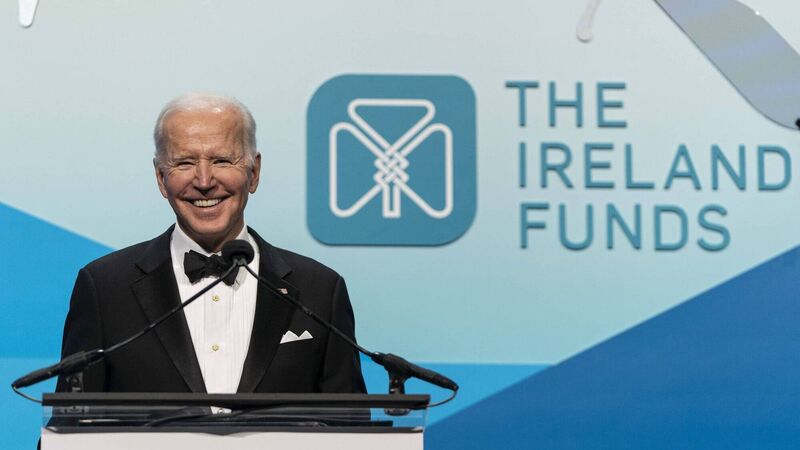
Mr Biden arrived in the European diplomatic capital late onWednesday with the hopes of nudging allies to enact new sanctions on Russia, which has already seen its economy crippled by a steady stream of bans, boycotts and penalties over the last four weeks.
As the war in Ukraine grinds into a second month, US president Joe Biden and Western allies are gathering to chart a path to ramp up pressure on Russian president Vladimir Putin while tending to the economic and security fallout that is spreading across Europe and the world.
Over the course of a half-day on Thursday, Brussels will host an emergency Nato summit as well as a gathering of the Group of Seven industrialised nations and a summit of the 27 members of the European Union. Mr Biden will attend all three meetings and plans to hold a news conference at the end of the day.
Mr Biden arrived in Brussels late on Wednesday with the hopes of nudging allies to enact new sanctions on Russia, which has already seen its economy crippled by a steady stream of bans, boycotts and penalties over the last four weeks.
While the West has been largely unified in confronting Russia after it invaded Ukraine, there is wide acknowledgement that unity will be tested as the costs of war chip at the global economy.
“What we would like to hear is that the resolve and unity that we’ve seen for the past month will endure for as long as it takes,” Mr Biden’s national security adviser Jake Sullivan told reporters on Air Force One en route to Brussels.
The energy crisis exacerbated by the war will be a particularly hot topic at the European Council summit, where leaders from Spain, Portugal, Italy and Greece are hoping for an urgent, coordinated bloc-wide response. EU officials have said they will seek US help on a plan to top up natural gas storage facilities for next winter, and they also want the bloc to jointly purchase gas.
German chancellor Olaf Scholz has dismissed calls to boycott Russian energy supplies, saying it would cause significant damage to his country’s economy. Scholz is facing pressure from environmental activists to quickly wean Germany off Russian energy, but he said the process would have to be gradual.
“To do so from one day to the next would mean plunging our country and all of Europe into recession,” Scholz said on Wednesday.
Poland and other eastern flank Nato countries will also be looking for clarity on how the United States and fellow European nations can assist in dealing with their growing concerns about Russian aggression as well as a spiralling refugee crisis. More than 3.5m refugees have fled Ukraine in recent weeks, including more than 2m to Poland.
Mr Biden is scheduled to travel to Poland on Friday, where both issues are expected to be at the centre of talks with President Andrzej Duda. Another significant moment could come shortly before Mr Biden returns to Washington on Saturday. The White House said he planned to “deliver remarks on the united efforts of the free world to support the people of Ukraine, hold Russia accountable for its brutal war, and defend a future that is rooted in democratic principles.”
Mr Sullivan said Mr Biden and fellow leaders would aim to “set out a longer-term game plan” for what forces and capabilities are going to be required for the alliance’s eastern flank countries.
Nato leaders have agreed to station more forces in Eastern Europe to deter Russia from invading any member of their ranks and to send equipment to Ukraine to help it defend against chemical or biological attacks.
Nato secretary-general Jens Stoltenberg said four new battlegroups, which usually number between 1,000-1,500 troops, are being set up in Hungary, Slovakia, Romania and Bulgaria.
“Along with our existing forces in the Baltic countries and Poland, this means that we will have eight multinational Nato battlegroups all along the eastern flank, from the Baltic to the Black Sea,” Mr Stoltenberg said.
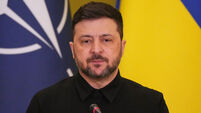
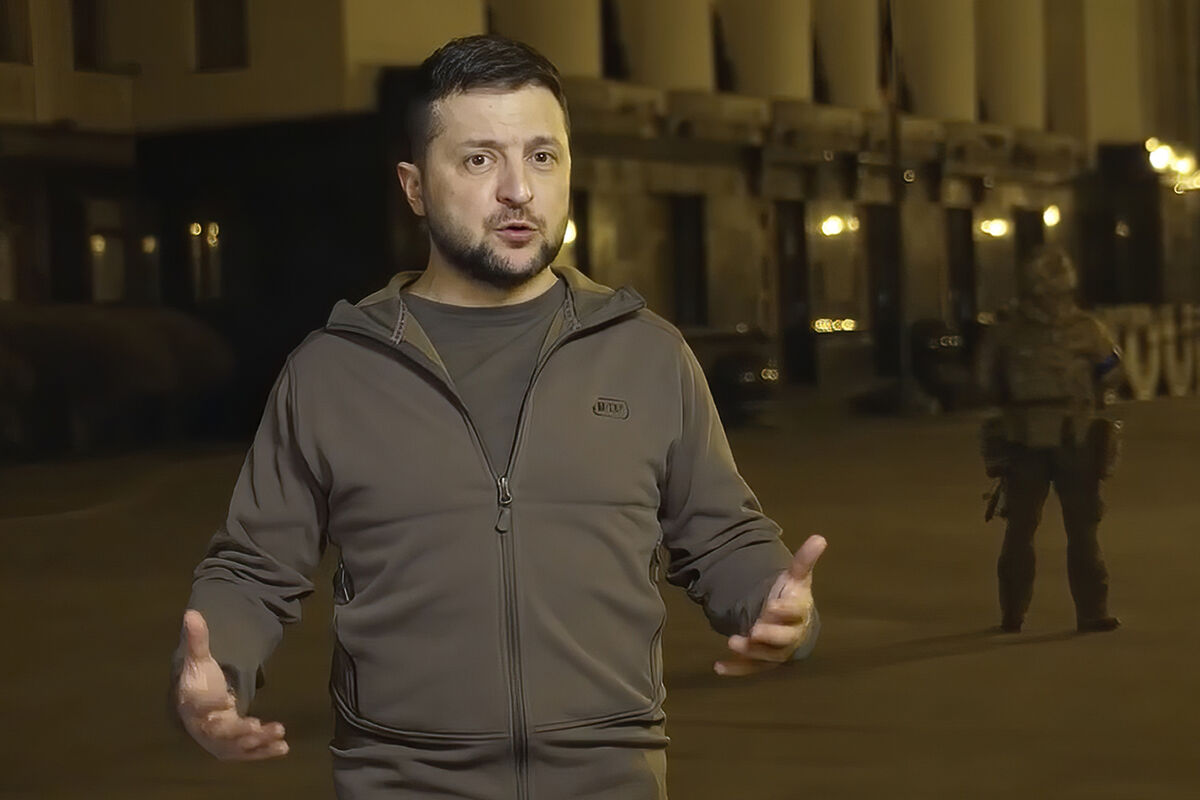
Ukrainian president Volodymyr Zelenskyy, who is expected to address the Nato summit by video, said late on Wednesday that he wants the alliance to “declare that it will fully assist Ukraine to win this war” by supplying any weapons necessary.
All the while, national security officials from Washington to Warsaw are increasingly worried Putin might deploy chemical, biological or even nuclear weaponry. Mr Sullivan said the allies would consult on how to respond to “potential contingencies” of that sort, including “this whole question of the potential use of nuclear weapons.”
Mr Biden, before departing for Brussels on Wednesday, told reporters he believed the possibility of Russia deploying chemical weapons was a “real threat”.
Kremlin spokesman Dmitry Peskov in a CNN interview this week said Russia could consider using its nuclear weapons if it felt there was “an existential threat for our country”.
The European Union’ president said she wanted to discuss with Mr Biden the possibility of securing extra deliveries of liquefied natural gas from the United States for the 27-nation bloc.
Speaking at the European Parliament ahead of Mr Biden’s visit, Ursula von der Leyen said the EU was seeking a a commitment for additional LNG supplies from the US “for the next two winters”. The EU imports 90% of the natural gas used to generate electricity, heat homes and supply industry, with Russia supplying almost 40% of EU gas and a quarter of its oil. The bloc is looking at ways to reduce its dependence on Russian gas by diversifying suppliers.
Mr Sullivan said the United States was looking for ways to “surge” LNG supplies to Europe to help make up for supply disruptions.
Mr Biden, for his part, was expected to detail plans for new sanctions against Russia and humanitarian assistance for the region.
One new sanctions option Mr Biden is weighing is to target members of the Russian State Duma, the lower house of parliament, according to a US official who spoke on the condition of anonymity to discuss private deliberations. The official added a final decision had not been made and the new sanctions would be rolled out in coordination with Western allies.
CONNECT WITH US TODAY



Be the first to know the latest news and updates