Adults can exceed daily sugar limit with just two glasses of wine, experts warn
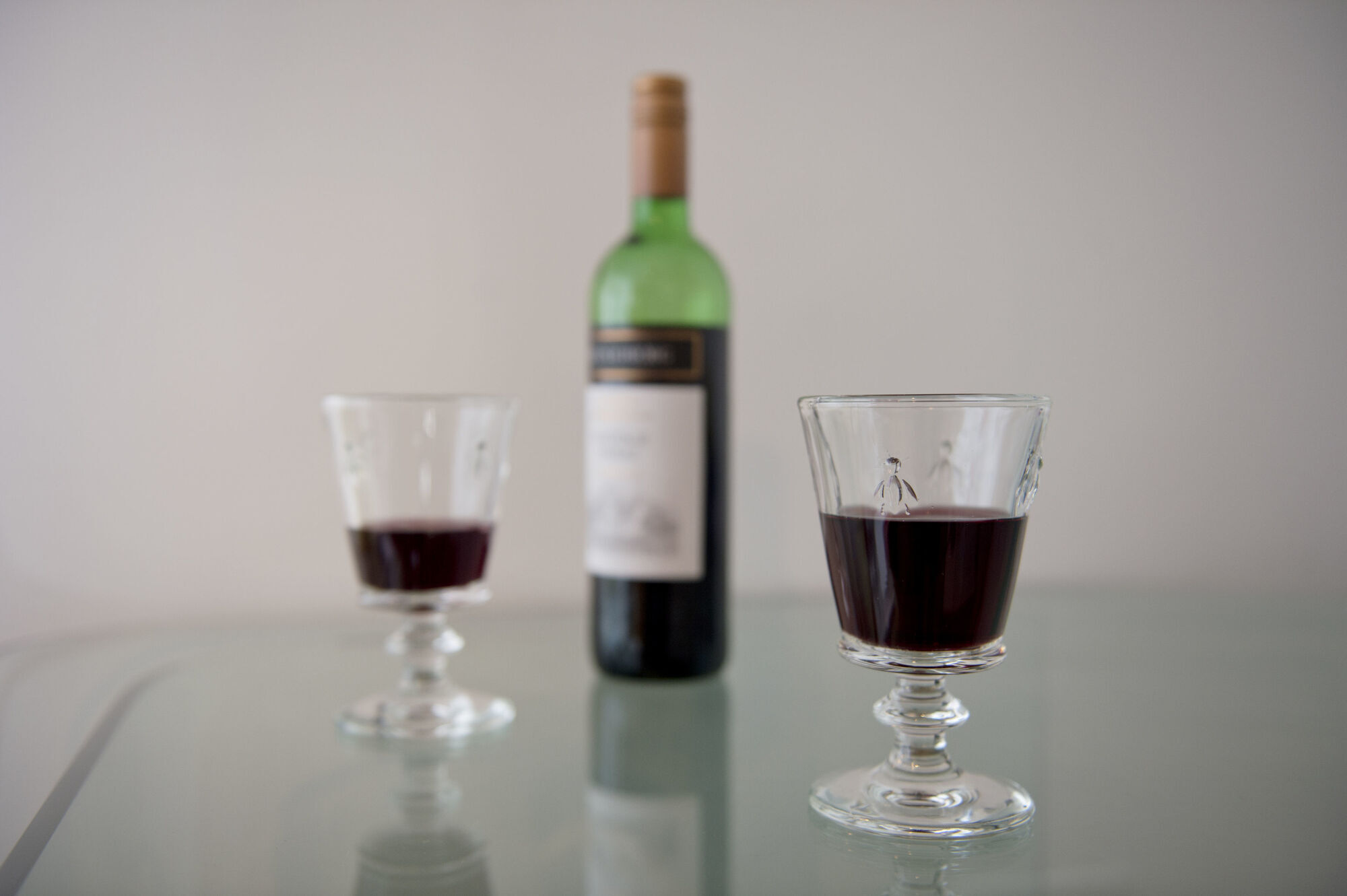
AHA, which represents more than 60 health organisations, said that there is a wide variation of sugar and calories across different wines but with this information missing from most labels consumers are "being kept in the dark" about what they are drinking. Picture: Laura Lean/PA Wire
Adults can exceed their recommended daily limit of sugar by drinking just two glasses of wine, experts have warned.
Drinks can also be packed with calories and in some cases, two glasses of wine can contain more calories than a hamburger while new analysis has found product labelling on alcoholic drinks to be "woefully inadequate".
The study looked at the calorie and sugar content of 30 bottles of red, white, rose, fruit and sparkling wine sold in the UK and also suggested that many of the most sugar-packed wines were the ones that had the lowest strength of alcohol.
The Alcohol Health Alliance UK (AHA), which carried out the study, said that with no legal requirement to display sugar content on alcohol labels, drinkers may opt for lower-strength alcohol thinking that this is a healthier option but could unwittingly be upping their daily sugar intake.
The analysis also examined the calories in wine.
AHA, which represents more than 60 health organisations, said that there is a wide variation of sugar and calories across different wines but with this information missing from most labels, consumers are "being kept in the dark" about what they are drinking.
It said that just two medium-sized glasses of the most calorific wines analysed contain more calories than a McDonald's hamburger.
Wines with high-calorie content also tended to be higher strength drinks.
The AHA said that none of the 30 products examined in the study displayed sugar content on their labels - information that is required for all non-alcoholic drinks.
Calorie content was only displayed on 20% of the labels examined.
Professor Ian Gilmore, chairman of the Alcohol Health Alliance UK said: "Alcohol's current exemption from food and drink labelling rules is absurd.
"Shoppers who buy milk or orange juice have sugar content and nutritional information right at their fingertips.
As well as calorie labelling and nutritional information, weekly drinking guidelines on labels could help reduce alcohol harm by increasing knowledge of the health risks and prompting behaviour change, he said.
Alison Douglas, chief executive of Alcohol Focus Scotland, added: "Alcohol labelling is woefully inadequate in this country and allows the alcohol industry to decide what information it will and won't include on its products, despite alcohol claiming the lives of 70 people a day in the UK.
"The alcohol industry have dragged their feet for long enough - unless labelling requirements are set out in law, we will continue to be kept in the dark about what is in our drinks.
"People want and need reliable information directly on bottles and cans, where it can usefully inform their decisions."

CONNECT WITH US TODAY



Be the first to know the latest news and updates