Intel apologises for asking suppliers not to use products from Xinjiang region
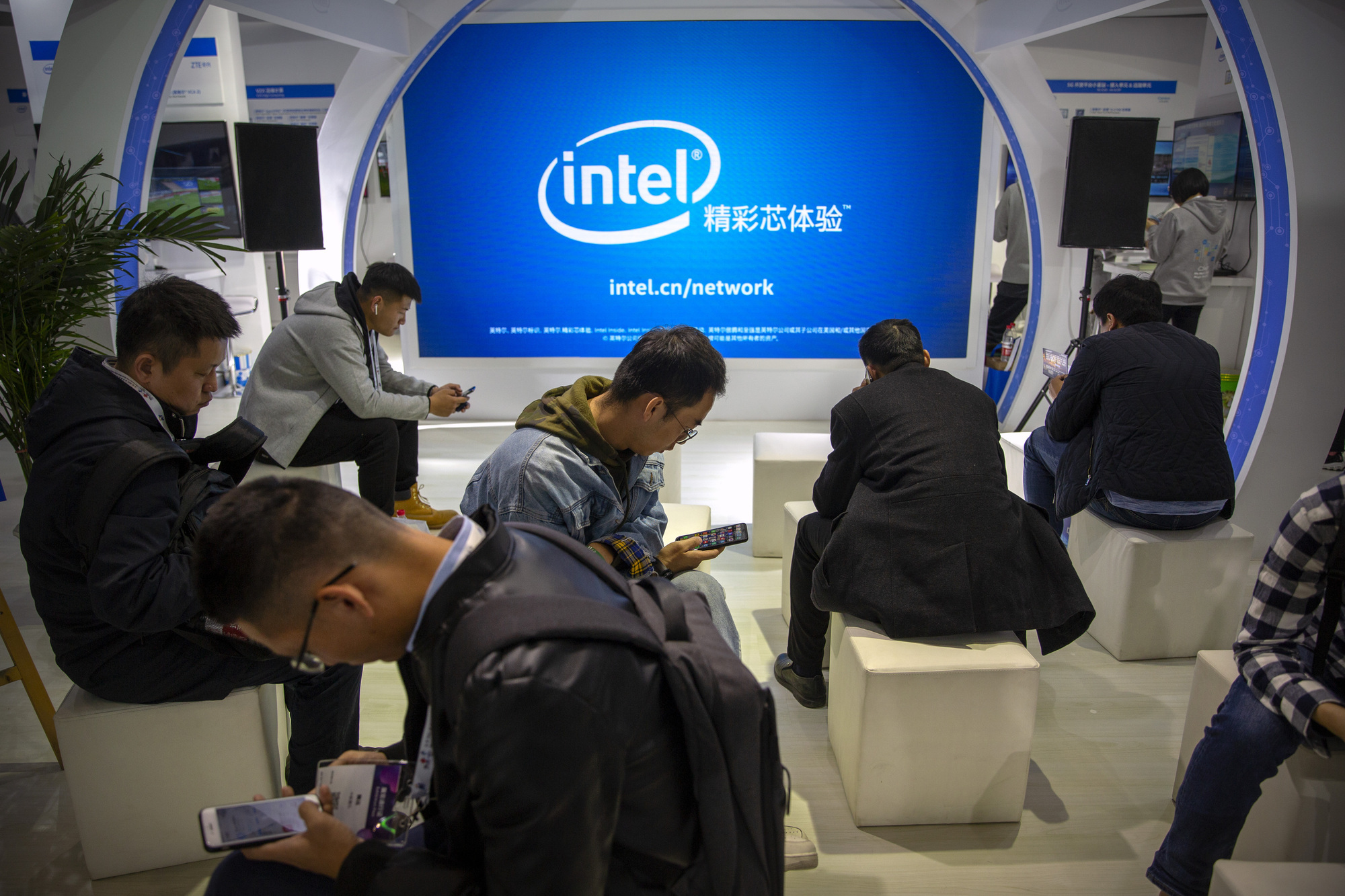
Intel apologised on Thursday for asking suppliers to avoid sourcing goods from the Chinese province of Xinjiang after the worldâs biggest chipmaker joined other foreign brands in facing the fury of state media over complaints of abuses by the ruling Communist Party in the mostly muslim region.
Intelâs request was âarrogant and vicious,â said the Global Times, a newspaper published by Chinaâs ruling party.
The reference to Xinjiang in a letter to suppliers was aimed at complying with US regulations, Intel said on its social media account.
Washington has barred imports of goods from Xinjiang over complaints of mass detentions of Uighur muslims, forced abortions and forced labour, which Beijing denies.
Tension over Xinjiang is rising as activists call for a boycott of Februaryâs Winter Olympics in Beijing, a prestige project for the ruling party.
The White House says the United States will not send dignitaries. Beijing on Wednesday barred four members of a US government religious freedom panel from China in retaliation for sanctions imposed by Washington on two Xinjiang leaders.
âSo-called forced labour and other allegations on Xinjiang are completely lies concocted by anti-China forces,â said a foreign ministry spokesman, Zhao Lijian. He called on Intel to ârespect facts and tell right from wrongâ.
Some commentators online, where comments the ruling party does not want are deleted by censors, called for a boycott of Intel products.
Intel processor chips are used in smartphones, computers and other products.
The letter caused âconcerns among our cherished Chinese partners, which we deeply regret,â said an Intel statement.
âWe apologise for the trouble caused to our respected Chinese customers, partners and the public,â the company said.
Other companies including retailer H&M and shoe brand Nike have been targeted for criticism and calls for boycotts after expressing concern about Xinjiang or saying they would stop using materials produced there.
The Chinese government rejects complaints of abuses in Xinjiang but companies say they are unable to carry out independent audits of factories and other workplaces.
Pop singer Wang Junkai, also known as Karry Wang, announced on Wednesday he was pulling out of a deal to act as âbrand ambassadorâ for Intelâs Core line of processor chips.
Wangâs move is a âfresh warning siren to Intel and other foreign companies that seek to undermine Chinaâs core interests while also trying to profit from the vast Chinese market,â said Global Times, which is known for its nationalistic tone.
Other singers, actors and other celebrities have broken ties with foreign brands that were targeted for criticism over Xinjiang, giving up millions of dollars in income to protect their careers from official retaliation.
Xinjiang is a major supplier of silica used in making computer chips. Intel has a chip factory in Dalian in Chinaâs north east â its only one in Asia and one of four outside the United States. The company also has a research facility in Beijing.
Criticism by state media might prompt consumers to look at products based on chips from other suppliers. But there are few alternatives. The include Advanced Micro Devices of the United States for chips in desktop PCs and servers and Britainâs Arm for smartphones.
The Communist Party has spent billions of dollars to build a Chinese chip industry and reduce reliance on the United States, Taiwan and other suppliers.
But its manufacturers are far from achieving the level of precision required for the most advanced chips from Intel and other global suppliers.
Intel, headquartered in Santa Clara, California, reported 2020 profits of $23.7 billion (ÂŁ17.7 billion) on sales of $77.9 billion (ÂŁ58.2 billion) .
Smartphones and other products are designed to work with the characteristics of a specific chip from one supplier. Switching chips would require a design overhaul and testing that might require years.
Trying to switch to alternate suppliers would be especially hard and costly at a time when a global shortage of chips due to the coronavirus pandemic is disrupting production of products from smartphones to cars.