Explainer: What happened in the Kyle Rittenhouse murder trial?
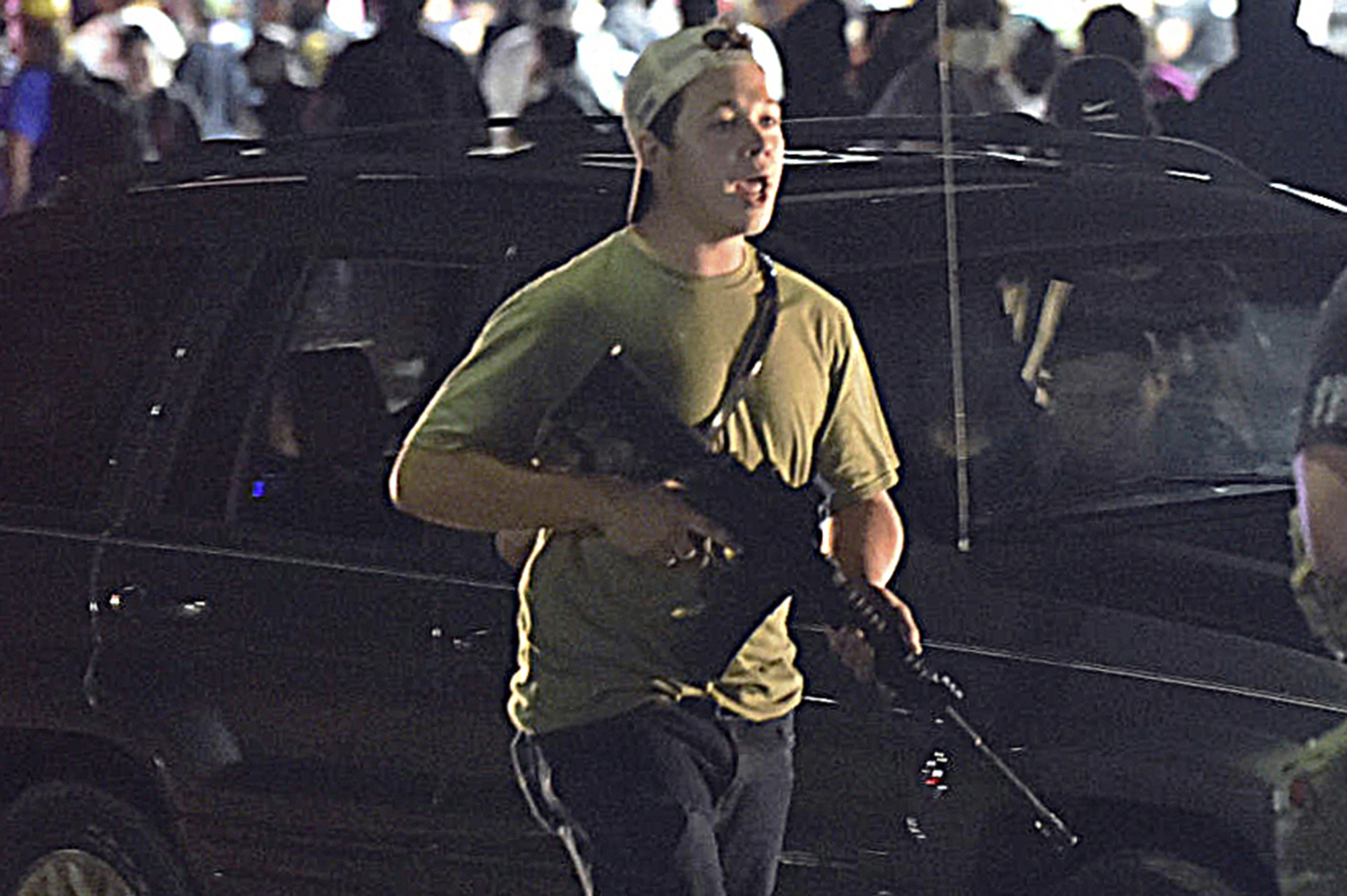
Kyle Rittenhouse walks along Sheridan Road in Kenosha, Wisconsin on August 25, 2020. File Picture: Adam Rogan/The Journal Times via AP
Kyle Rittenhouse has been found not guilty on all counts in his homicide trial, after four days of tense jury deliberations.
It was the most closely watched trial involving a person's right to self-defence since George Zimmerman was acquitted in the fatal shooting of Trayvon Martin, an unarmed Black teenager, in 2013.
A group of 12 jurors spent three and a half days deliberating to come to a verdict on the five felony charges Rittenhouse faced.
Here's what has happened in court.
The 18-year-old was acquitted of all charges after pleading self-defence in the deadly shootings in Wisconsin that became a flashpoint in the nation’s debate over guns, vigilantism and racial injustice.
The jury came back with its verdict after close to three-and-a-half days of deliberation.
Breaking into sobs at one point, he told the jury he opened fire after Mr Rosenbaum chased him and made a grab for his gun. He said he was afraid his rifle was going to be wrestled away and used to kill him.
Kyle Rittenhouse, who was 17 at the time, travelled 15 miles from his home across the state border to Kenosha, Wisconsin, as the city was in the throes of protests that followed a white police officer's shooting of Jacob Blake, a Black man, after a call to a domestic disturbance.
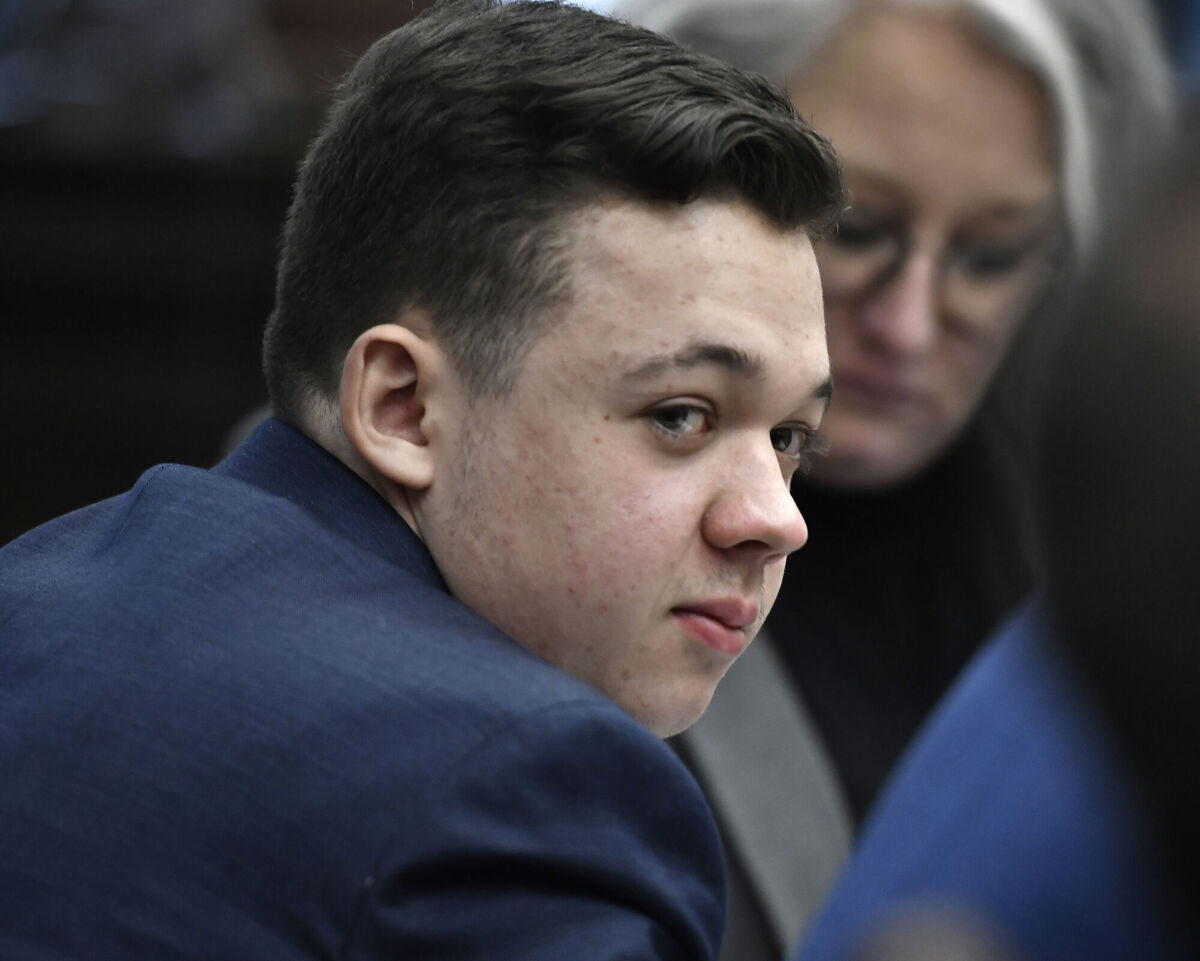
A bystander captured video footage of the critical minutes when Rittenhouse, with a Smith and Wesson AR-style semi-automatic rifle, shot and killed Joseph Rosenbaum, 36, and Anthony Huber, 26, and wounded Gaige Grosskreutz, 28.
On the night of the shootings, Rittenhouse told press he was a certified EMT and was there to aid injured people, which was later proven to be untrue.
Rittenhouse was charged with five felonies; first-degree intentional homicide, first-degree reckless homicide, attempted first-degree intentional homicide and two counts of first-degree recklessly endangering safety.
A legal expert says the difference in the charges is that prosecutors did not allege that Rittenhouse intended to kill Rosenbaum. But the charges in the other two shootings alleged that Rittenhouse intended to shoot those men.
The most severe charge among those was first-degree intentional homicide for killing Huber.
The charges come with a mandatory sentence of life in prison if convicted.
A misdemeanour weapons possession charge and a non-criminal curfew violation were dismissed by Judge Bruce Schroeder prior to deliberations.
The prosecution at the murder trial of Kyle Rittenhouse on Monday accused the teenager of provoking the confrontation that led to him shooting three men.
Kenosha County Assistant District Attorney Thomas Binger said Rittenhouse instigated the fatal clashes by brandishing his weapon.
“You cannot hide behind self-defence if you provoked the incident. If you created the danger, you forfeit the right to self-defence by bringing that gun, aiming it at people, threatening people's lives. The defendant provoked everything,” he said.
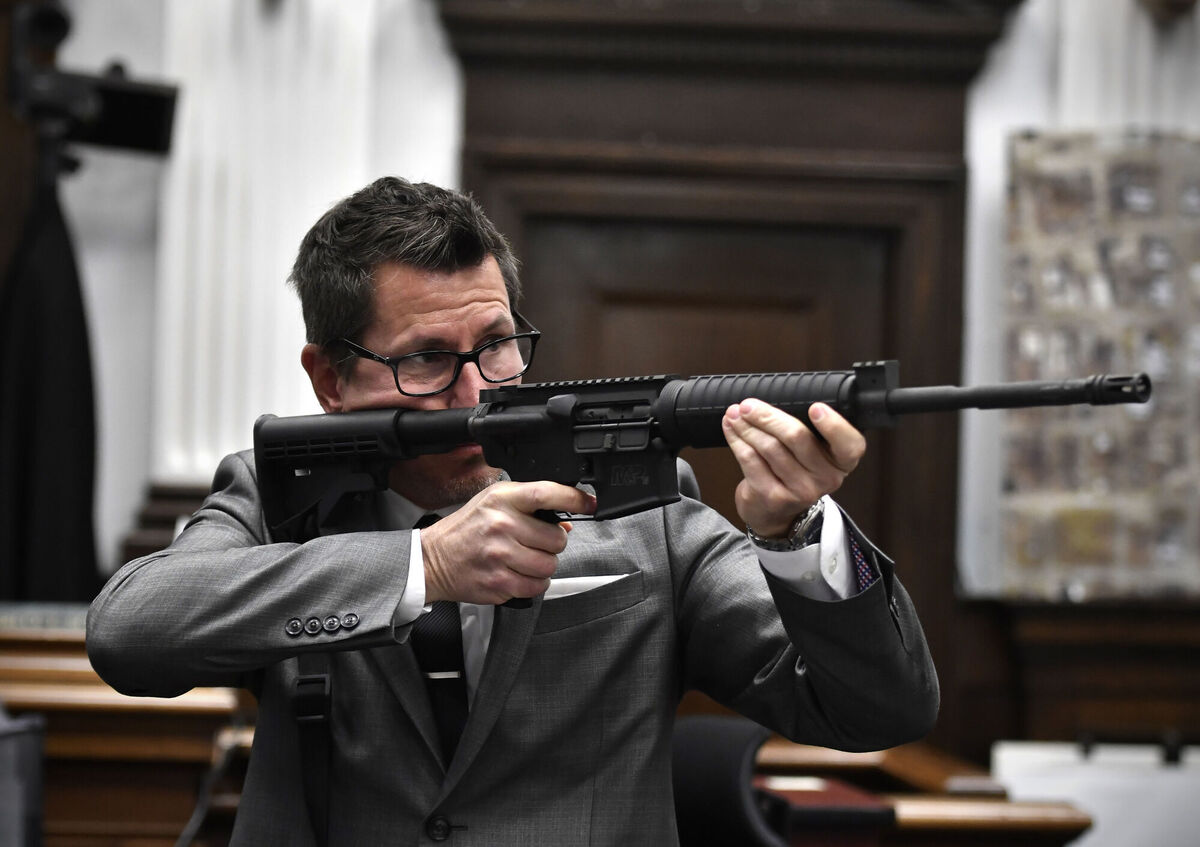
Binger said Rittenhouse had gone out of his way to travel to Kenosha from Antioch, Illinois, during the protests, one of a series of demonstrations in 2020 against racism and police use of force.
"This isn't a situation where he was protecting his home or his family," Binger said.
The prosecutor called Rittenhouse a “fraud” for claiming that he was there as a medic to provide first aid.
“This AR-15 is completely incompatible with the role of a medic,” Binger said.
The jury was shown graphic video of Rosenbaum after he was shot four times, lying motionless and struggling to breathe.
Binger also displayed a close-up graphic photograph of Grosskreutz with a large chunk of his right arm shot off. Several jurors appeared to wince and turn away.
Rittenhouse denies all charges and says he acted in self-defence.
In his closing argument, defence lawyer Mark Richards called Rosenbaum a “rioter” and a “crazy person” who went after Rittenhouse.
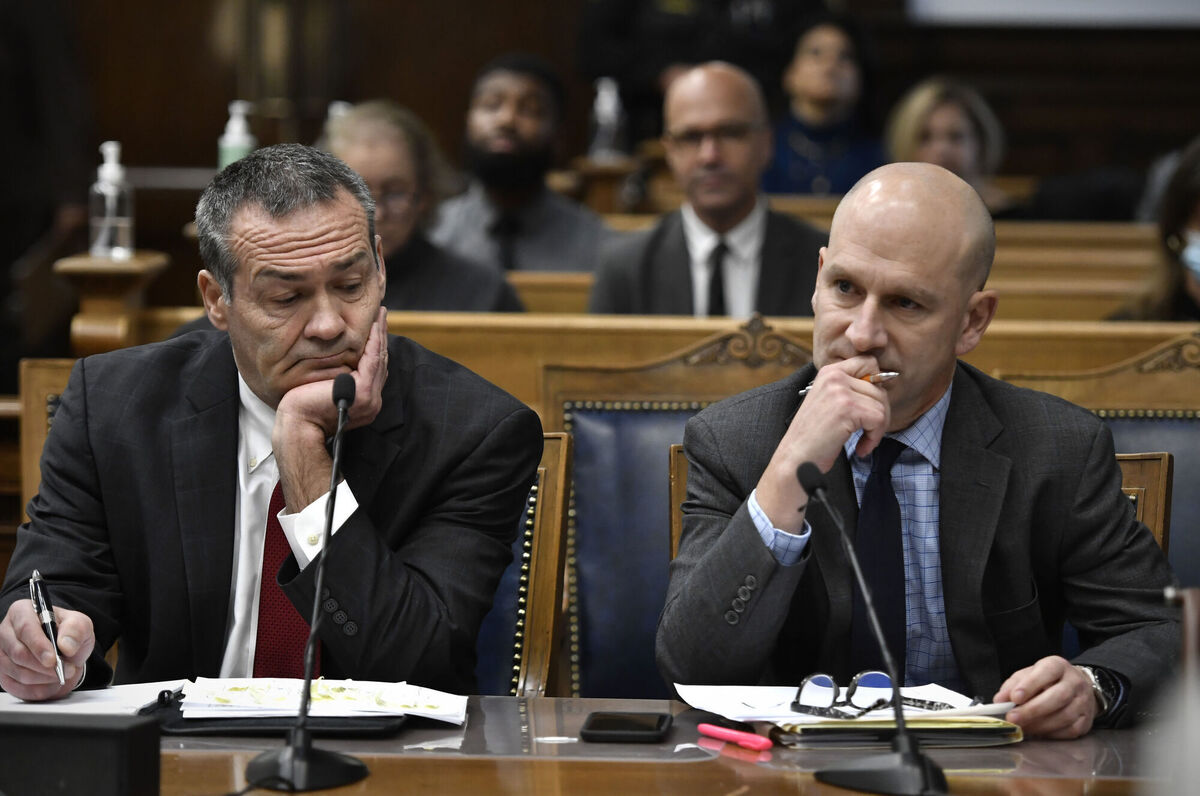
“Kyle Rittenhouse’s behaviour was protected under the law of Wisconsin, the law of self-defence,” he said.
“Mr Rosenbaum was shot because he was chasing my client and going to kill him, take his gun and carry out the threats he made,” Richards said, adding that Rittenhouse was then attacked by a “mob.”
“I didn’t do anything wrong. I defended myself,” Kyle Rittenhouse said.

CONNECT WITH US TODAY



Be the first to know the latest news and updates