Glasgow Pact sets up more climate action from countries and curbs on coal
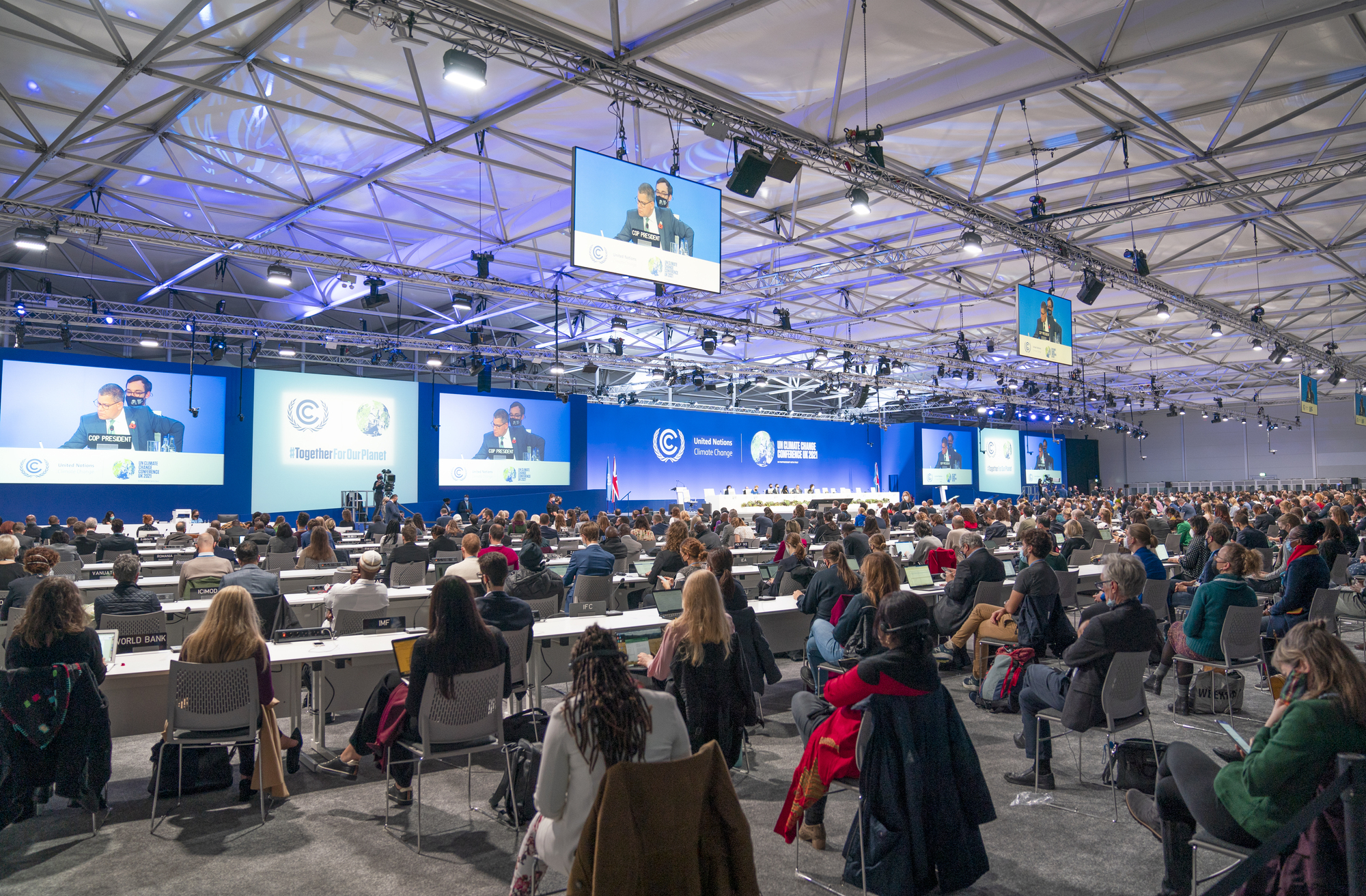
A new âGlasgow Pactâ secured at the Cop26 talks commits countries to more climate action and a historic â if watered down â move against coal.
Ministers and negotiators at the UN summit in the Scottish city agreed to get countries to strengthen their emissions-cutting targets for 2030 by the end of next year as part of the bid to limit dangerous warming climbing above 1.5C.
They have also sent a signal on the shift away from the worldâs dirtiest fuel, with the deal calling for efforts to accelerate the âphase downâ of unabated coal, as well as the phasing out of inefficient fossil fuel subsidies.
In the wake of the deal Cop26 President Alok Sharma, who was close to tears on a couple of occasions during an hours-long final plenary, said the summit had met its key goal of keeping the 1.5C limit within reach.
But he warned: âIts pulse is weak and it will only survive if we keep our promises, if we translate commitments into rapid action and if we deliver on the expectations set out in this Glasgow Climate Pact to increase ambition to 2030 and beyond.â
Minister for the Environment Eamon Ryan said that while the deal "gives us a chance of keeping 1.5 degrees alive", the last-minute agreement on coal is "deeply disappointing".
In a tweet he said: "The last minute deal on coal was deeply disappointing but we had to agree a deal. We can no longer delay.
"It brings momentum at home and has to deliver climate justice for the world."
Agreement has been reached at #COP26 in Glasgow. It gives us a chance of keeping 1.5 degrees alive. The last minute deal on coal was deeply disappointing but we had to agree a deal. We can no longer delay. It brings momentum at home & has to deliver climate justice for the world. pic.twitter.com/TI8E9ayMxu
— Eamon Ryan (@EamonRyan) November 13, 2021
UN secretary-general Antonio Guterres warned: âOur fragile planet is hanging by a thread. We are still knocking on the door of climate catastrophe.â
He called for an end to fossil fuels subsidies, a phase-out of coal, a price on carbon, building resilience of vulnerable communities against the impacts of climate change and to make good on the long-promised 100 billion US dollar climate finance commitment to support developing countries.
He said: âWe did not achieve these goals at this conference. But we have some building blocks for progress.â
British prime minister Boris Johnson acknowledged there was a huge amount more to do in the coming years, but said: âTodayâs agreement is a big step forward and, critically, we have the first-ever international agreement to phase down coal and a road map to limit global warming to 1.5C.â
Language in the pact on coal was watered down at the last minute â following a push led by China, and backed up by India â from accelerating the âphase-outâ of unabated coal, to âphase downâ, prompting angry responses from European and vulnerable countries.
But as talks overran by more than 24 hours, the pact managed to retain the first explicit mentions of fossil fuels in a UN climate agreement.
"Hearing no objections, it is so decided.â
— UN Climate Change (@UNFCCC) November 13, 2021
In Glasgow, governments have just adopted the first key decisions of the #COP26 closing plenary. pic.twitter.com/JFt2vMmHiA
It also requests countries revisit and strengthen their 2030 national climate action targets âas necessary to align with the Paris Agreement temperature goal by the end of 2022, taking into account different national circumstancesâ.
In the Paris Agreement in 2015, countries committed to limit temperature rises to âwell belowâ 2C and pursue efforts to limit them to 1.5C to avoid the most dangerous storms, droughts, crop failures, floods and disease.
Scientists have warned keeping temperature rises to 1.5C requires global emissions to be cut by 45% by 2030, and to zero overall by mid-century.
But despite countries being required to update their action plans, known as nationally determined contributions, for emissions cuts up to 2030 in the run-up to Glasgow, the latest pledges leave the world well off track to meet the goal.
So countries have been under pressure to come up with a deal in Glasgow that will see them rapidly increase their ambition for emission cuts in the 2020s to stop the 1.5C goal slipping out of reach, as well as provide finance for developing countries to cope with the crisis.
The deal has measures on finance for poorer and more vulnerable countries to develop cleanly, cope with climate impacts and address the loss and damage they face from climate-related storms, floods, droughts and rising seas.
The final agreement urges developed countries to at least double their collective provision of climate finance to help developing nations adapt to climate change, from 2019 levels, by 2025.
Though many at-risk countries expressed disappointment at what they saw as weak measures on loss and damage, they signed up to the deal.
Tina Stege, climate envoy for the Republic of Marshall Islands, said: âThe package is not perfect. The coal change and a weak outcome on loss and damage are blows.â
âBut it is real progress and elements of the Glasgow Package are a lifeline for my country,â she said pointing to the doubling of finance for adaptation and a plan to accelerate national climate plans.
The conference also secured agreement on finalising key parts of the âParis rulebookâ, on areas such as establishing carbon markets and transparency over the action countries are taking, which have been outstanding since the climate treaty was agreed in 2015.
The final decisions come after a fortnight of negotiations which began with 120 world leaders attending the summit.
A series of deals by countries and businesses on cutting methane emissions, curbing deforestation, switching to electric cars, driving investment in clean technology and phasing out coal power were announced alongside the formal negotiations, as part of efforts to drive âreal-worldâ climate action.
Often inventive and colourful protests took place outside and inside the venue at the Scottish Event Campus on the banks of the Clyde, while tens of thousands of people took the streets on the middle Friday and Saturday, marching through Glasgow calling for urgent climate action.
Responding to the deal secured on Saturday night, Greenpeace International executive director Jennifer Morgan said:Â âItâs meek, itâs weak and the 1.5C goal is only just alive, but a signal has been sent that the era of coal is ending. And that matters.â
CLIMATE & SUSTAINABILITY HUB