State efforts have left Indians on their own in fight against Covid

A health worker collects a swab sample to test for Covid-19 at Chhatrapati Shivaji Maharaj Terminus in Mumbai, India, on Saturday, April 17, 2021. Picture: AP Photo/Rajanish Kakade
At 7.52pm on April 16, Vinay Srivastava, a 65-year-old freelance journalist in Lucknow, the capital city of India’s largest state, Uttar Pradesh, tweeted state chief minister Yogi Adityanath that his oxygen levels had fallen to 52, but no hospital, doctor, or lab was picking up the phone.
His symptoms pointed to Covid-19, but he was unable to get a test. His son went from hospital to hospital through the night, pleading in vain for a bed for his father.
At 3.15pm the next day, Srivastava tweeted the chief minister’s media adviser: “Now my oxygen is 31 when some will come.”
Minutes later he was dead.
He had never been tested and his family had to wait hours for an ambulance to take his body away.
Mr Srivastava’s tweets of his descent transfixed and horrified India’s Twitter users. However, whether online or offline, one thing has become abundantly clear to all Indians over the last week: The second wave has grown to a tsunami and the state is unable to cope.
Although the first cases were detected in the country as early as January 2020, India only reached 1m confirmed cases on July 16 last year.
Until the beginning of June 2020, new cases remained under 10,000 each day.
In March last year, the government enforced one of the world’s strictest lockdowns, which lasted for two months. Although these restrictions came at significant costs, some parts of India were able to use this time to build up their healthcare capacity.
Yet the country’s healthcare resources remain acutely constrained. India is ranked 155 of 167 countries on its hospital bed density, and every medical doctor in India caters to at least 1,511 people, while there is only one nurse to every 670 people (the WHO recommends one doctor per 1,000 people and one nurse for every 300).
The surge, when it came in July and August 2020, was swift, but just as quickly it appeared to be over. By the middle of September, new detected cases declined steadily, hospitalisations fell and deaths declined sharply.
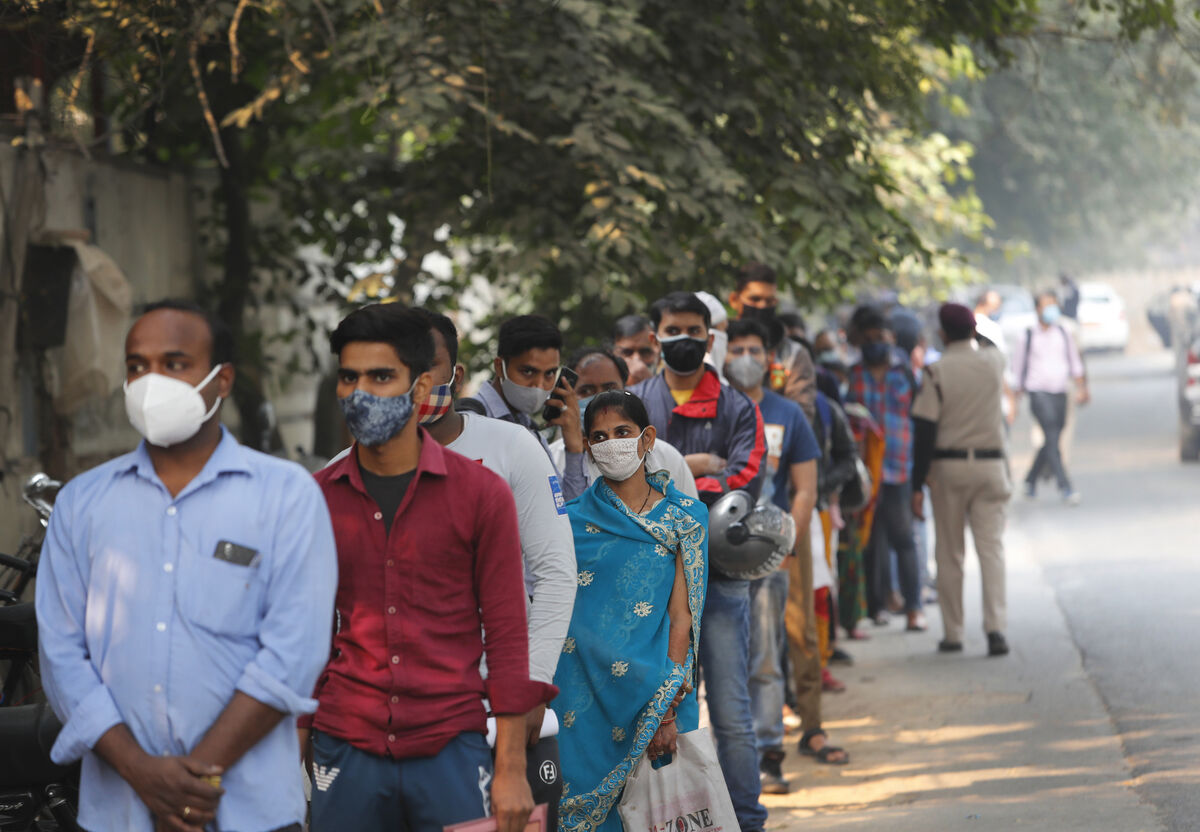
If India had then attempted a scientific assessment of its first wave, there might have been lessons for the future. It would have found that many people were still vulnerable to the virus.
India’s most recent nationwide sero-survey, conducted during December 2020 and January 2021, indicated that more than one in five Indians had been exposed to the virus, but the proportion of those with antibodies in urban slums was over 12 percentage points higher than in rural areas.
While officially recorded deaths appeared to show that India’s mortality from Covid was far below that in much of the developed world, government authorities largely ignored warnings from the first wave: the death report infrastructure was underpowered at the best of times and health authorities were actively undercounting Covid deaths. Official mortality data was last recorded in 2018.
Despite its world-class genomic sequencing infrastructure, India also fell far behind on this front. It did virtually no sequencing between July and December 2020, Gagandeep Kang, one of India’s most respected virologists, told me.
This means that many important questions about the Indian outbreak can’t be answered. There are hypotheses that the new “double mutant” variant, which originated in India and is now the UK’s fastest-growing variant, could be more transmissible or evade immunity, but there is little evidence to substantiate this.
Other hypotheses around the new surge include a high rate of reinfections and breakthrough infections in people who are already vaccinated but, again, no data is available. Instead, there was triumphalism. “India has successfully contained the pandemic,” health minister Harsh Vardhan said at the end of January 2021.
In 2020, prime minister Narendra Modi had given every indication of having taken the virus deadly seriously. Unlike other global leaders, such as Brazil’s Jair Bolsonaro, Mr Modi was relentlessly on-message, always appearing masked. Yet after the September decline, everyone appeared to throw caution to the wind.
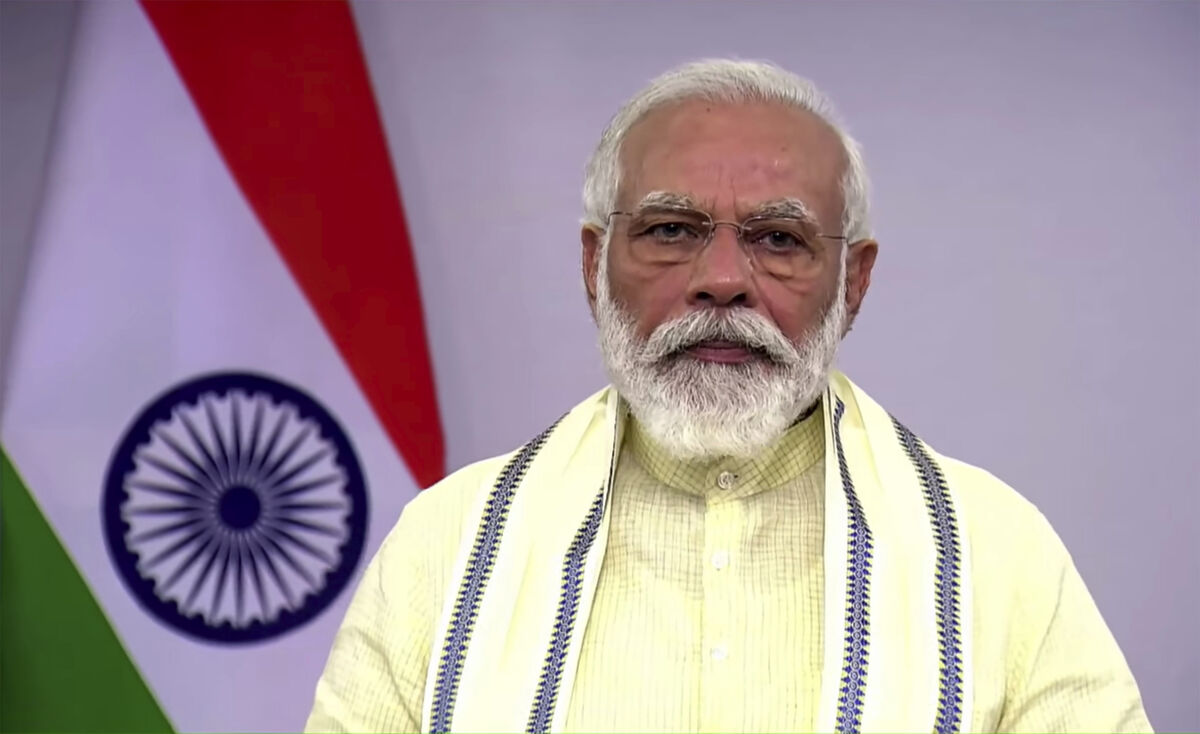
Since the beginning of March 2021, Mr Modi has led a seemingly interminable election in five Indian states, continuing to address massive rallies, even after his opponents suspended campaigning because of rising case numbers. Mr Modi has even praised the big crowds he is pulling.
His government has also permitted the Kumbh Mela, a once-in-12 years Hindu religious gathering, to be moved from 2022 to 2021 on account of “auspicious dates”. More than 1m people have visited the site every day since March 11, even as local authorities admitted that it was difficult to maintain Covid rules at the gathering.
The current case numbers have far surpassed India’s first peak. Since April 17, India has reported more than 200,000 new cases each day, and the numbers keep rising.
Most hospitals in India’s major cities (and many smaller ones) are overrun. Oxygen is in particularly short supply, even as health authorities suggested that more people in the second wave were reporting shortness of breath.
Last year, Mr Modi set up an opaque fund, into which charitable donations poured in, and set aside money for 162 oxygen plants. It took the government eight months to invite bids; as of April 18, only 33 plants had been installed and only a handful were functioning.
In a televised address on Tuesday night, Mr Modi invited comparisons to his address announcing a lockdown with four hours’ notice in March 2020.
This time, however, the prime minister had no shock and awe on offer, but little by way of concrete relief either, apart from a previously announced expansion of the vaccination programme that is far behind its targets.
Since the beginning of the pandemic, Mr Modi has attempted to frame the crisis as a collective experience that Indians are in together. But over the last weeks, it has been abundantly clear to most Indians that they are truly on their own.
- Rukmini S is a data journalist based in Chennai, India.

CONNECT WITH US TODAY



Be the first to know the latest news and updates