Wisconsin Supreme Court to hear Trump lawsuit appeal
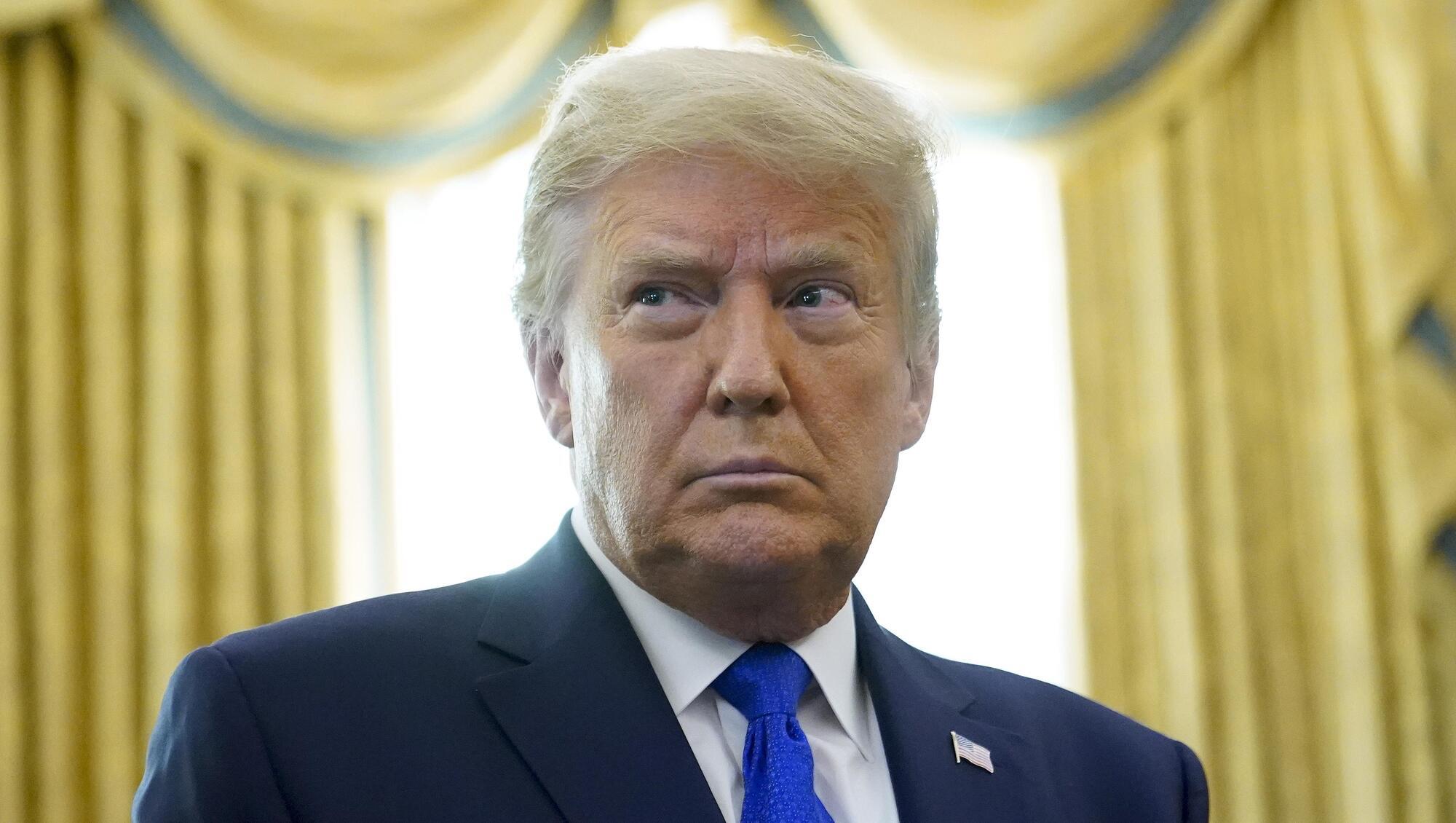
The conservative-controlled Wisconsin Supreme Court agreed on Friday to hear arguments over the weekend on President Donald Trump’s state lawsuit seeking to disqualify more than 221,000 ballots and overturn his loss to Democrat Joe Biden in the battleground state.
The court’s decision to take the case, and to hear arguments on Saturday, came hours after a lower court judge ruled against Mr Trump and said there was nothing illegal about the election or subsequent recount in the state’s two largest counties.
The highly unusual Saturday arguments will come exactly 48 hours before Monday’s scheduled Electoral College vote.
Earlier on Friday, a lower court judge ruled against Mr Trump’s lawsuit seeking to overturn Mr Biden’s election win in the state, another in a string of defeats in the president’s extraordinary attempts to undo his loss.

Mr Trump quickly appealed against the ruling from Reserve Judge Stephen Simanek, though his chances of success appeared slim. He also had a federal lawsuit pending in Wisconsin.
The president has been urging lower court judges to rule quickly in the cases so he can file appeals before the electoral college meets on Monday and casts Wisconsin’s 10 votes for Mr Biden.
The Democrat won the state by about 20,600 votes, a margin of 0.6% that withstood a Trump-requested recount in the two largest counties.
Mr Trump asked in the state lawsuit to disqualify more than 221,000 votes in the Democratic strongholds of Dane and Milwaukee counties. He did not challenge any ballots cast in counties he won.
Judge Simanek ruled on Friday that the rules and guidelines of the election were followed during the recount, and there was no evidence to back Mr Trump’s claims.
“The bottom line here is that the court should do everything to ensure that the will of the voters prevail,” the judge said.
Mr Trump also wanted to disqualify absentee ballots cast early and in-person, saying there was not a proper written request made for the ballots; absentee ballots cast by people who claimed “indefinitely confined” status; absentee ballots collected by poll workers at Madison parks; and absentee ballots where clerks filled in missing information on ballot envelopes.
Trump lawyer Jim Troupis argued that clerks in Milwaukee and Dane counties were wrong to rely on guidance from the Wisconsin Elections Commission on absentee ballots.
He argued that guidance, some of which had been in place for years or was modified in reaction to the coronavirus pandemic to make it easier for indefinitely confined people to cast ballots, contradicted state law.

Biden lawyer John Devaney argued that everyone who voted in the presidential election did so “in full compliance of the laws that were in effect at the time of the election”. There is no evidence of fraud or illegal activity, he said.
Mr Devaney also said Mr Trump “cynically” targeted ballots cast in Wisconsin’s two most urban, non-white counties for disqualification.
He noted that no one challenged the laws in place before the election, including Mr Trump when he won the state in 2016.
The president and his allies have suffered a string of defeats in Wisconsin and across the country as they have put forward lawsuits that rely on unsubstantiated claims of widespread fraud and election abuse. On Friday evening, the US Supreme Court rejected a Texas lawsuit that sought to invalidate Mr Biden’s win by throwing out millions of votes in four battleground states, including Wisconsin.
A Trump-appointed federal judge in Wisconsin said on Thursday that the president’s lawsuit was “incredible”, “bizarre” and “very odd”, and asking to overturn the results would be “the most remarkable ruling in the history of this court or the federal judiciary”.
US District Judge Brett Ludwig promised to issue his ruling as soon as Friday.
The Wisconsin Supreme Court previously refused to hear the case before it went through the lower courts. A majority of justices have openly questioned whether disqualifying the ballots as Mr Trump is seeking would be appropriate.
CONNECT WITH US TODAY



Be the first to know the latest news and updates