Francois Hollande abandons plan to strengthen state of emergency in France
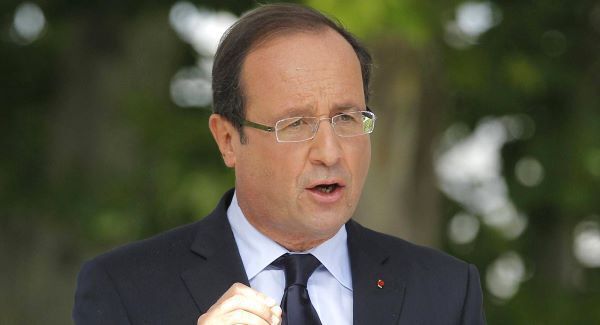
French president Francois Hollande has decided to abandon a Bill that would have revoked citizenship for convicted terrorists and strengthened the country's state of emergency.
President Hollande had initially submitted the two proposals days after the November 13 attacks in Paris that left 130 people dead.
The plan to revoke the citizenship of convicted terrorists with dual nationalities had prompted a heated political dispute in France, with the far right applauding the move while some on the left expressed indignation at what they called a divisive measure.
Opponents of the measure say it would create two classes of citizens - dual nationals who could lose their French citizenship, and French citizens who cannot - in opposition to the principle of equality set out in France's constitution.
Mr Hollande said he had no choice but to abandon the move, as France's two houses of parliament disagreed on the Bill and a compromise "seems out of reach".
He added: "I very much regret that attitude."
The citizenship rule could not be applied to people who are French citizens only, as France's obligations under international law prevent it from leaving a person stateless.
The same Bill aimed to introduce the state of emergency into the constitution in order to adapt the state of emergency to a long-term threat.
Under the current law from 1955, the state of emergency lasts 12 days and can be extended for an indefinite period by a vote of the parliament.
The "threat remains higher than ever," Mr Hollande said, adding he is committed to "ensure our country's security and protect the French from terrorism".
The country's state of emergency, swiftly declared by the government on the night of the attacks, was recently extended to May 26.
It extends some police powers of search and arrest and limits public gatherings, among other changes.