Wikileaks claims US spied on French presidents
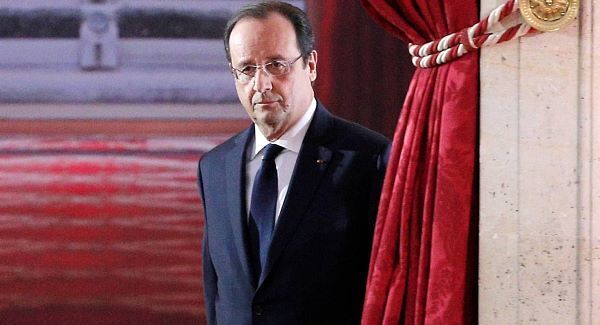
WikiLeaks has published documents it says show the US National Security Agency eavesdropped on the last three French presidents.

Wikileaks claims US spied on French presidents

WikiLeaks has published documents it says show the US National Security Agency eavesdropped on the last three French presidents.

It released material which appeared to capture officials in Paris talking candidly about Greece's economy, relations with Germany - and, ironically, American espionage.

The release caused an uproar among French politicians, although it did not reveal any huge surprises or secrets.

France is on the verge of approving broad new surveillance powers, and is among several US allies that rely heavily on American spying powers when trying to prevent terrorist and other threats.

There was no instant confirmation of the accuracy of the documents released in collaboration with French daily newspaper Liberation and investigative website Mediapart, but WikiLeaks has a track record of publishing intelligence and diplomatic material.

It appeared serious enough to prompt an emergency meeting of President Francois Hollande's defence council, according to presidential aides. The council, convening this morning, includes senior French security officials.

WikiLeaks spokesman Kristinn Hrafnsson said he was confident the documents were authentic, noting that WikiLeaks' previous mass disclosures - including a large cache of Saudi diplomatic memos released last week - have proven to be accurate.

Mr Hollande's office did not comment beyond announcing today's security meeting, but his Socialist Party issued an angry statement saying the reports suggest "a truly stupefying state paranoia".

The party said even if the government was aware of such intercepts, that did not mean "that this massive, systematic, uncontrolled eavesdropping is tolerable".

An aide to Mr Hollande's predecessor Nicolas Sarkozy said the former president considers these methods unacceptable, especially from an ally.

There was no immediate comment from former president Jacques Chirac, also reportedly targeted by the eavesdropping.

US National Security Council spokesman Ned Price said the US is "not targeting and will not target the communications of President Hollande".

He said: "We do not conduct any foreign intelligence surveillance activities unless there is a specific and validated national security purpose.

"This applies to ordinary citizens and world leaders alike. We work closely with France on all matters of international concern, and the French are indispensable partners."

Mr Price did not address claims that the US had previously eavesdropped on Mr Hollande or his predecessors.

Ever since documents leaked by former NSA contractor Edward Snowden showed in 2013 that the NSA had been eavesdropping on the mobile phone of German Chancellor Angela Merkel, it had been understood that the US had been using the digital spying agency to intercept the conversations of allied politicians.

Still, the new revelations are bound to cause diplomatic embarrassment for the Americans.

Several French politicians posted messages on social media voicing their disgust with the reports.

"And one more time we find out that the US has no allies, they only have targets or vassals," Socialist Jean-Jacques Urvoas said. He is leading the push for France's new surveillance bill.

Mr Hollande said last year that he discussed his concerns about NSA surveillance with President Barack Obama during a visit to the US, and they patched up their differences.

After the Merkel disclosures, Mr Obama ordered a wholesale review of NSA spying on allies, after officials suggested that senior White House officials had not approved many operations that were largely on autopilot.

After the review, American officials said Mr Obama had ordered a halt to spying on the leaders of allied countries, if not their aides.

WikiLeaks, on its website, listed the contents of what it said was five selected "top" intercepts of communications involving French presidents - on subjects including a senior UN appointment, the Middle East peace process, and the handling of the euro crisis - between 2006 and 2012.

The report also listed in a chart what were said to be phone numbers listed by NSA as senior French official "intercept targets," including that of the French president's own mobile phone, with some digits crossed out.

x

More in this section

Cookie Policy Privacy Policy Brand Safety FAQ Help Contact Us Terms and Conditions

© Examiner Echo Group Limited