IS takes control of Palmyra, raising fears for World Heritage site
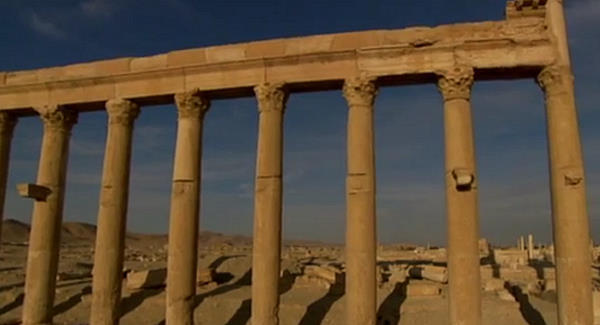
Islamic State (IS) militants have overrun the famed archaeological site at Palmyra, just hours after seizing the central Syrian town, raising concerns the extremists might destroy some of the priceless ruins as they have done in neighbouring Iraq.
ISâs capture of the town of Palmyra late yesterday was a stunning triumph for the militant group, only days after it captured the strategic city of Ramadi in Iraqâs largest Sunni province.
As IS took Palmyra, government forces collapsed in the face of the attacks and Syrian soldiers were seen fleeing the area, activists said. In Damascus, state TV acknowledged that pro-government forces had withdrawn from the town.
Rami Abdurrahman of the Britain-based Syrian Observatory for Human Rights said the extremists overrun the archaeological site, just to the south-west of the town itself, shortly after midnight.
An activist in Homs who goes by the name of Bebars al-Talawy also confirmed that IS now controls the ruins at Palmyra. Both activists said that the militants had not damaged the site so far.
The ruins at Palmyra are one of the worldâs most renowned historic sites and there were fears the extremists would destroy them as they did major archaeological sites in Iraq.
The Unesco world heritage site is famous for its 2,000-year-old towering Roman-era colonnades and other ruins and priceless artefacts. Before the war, thousands of tourists a year visited the remote desert outpost, a cherished landmark referred to by Syrians as the âBride of the Desertâ.
In Damascus, Maamoun Abdul-Karim, the head of the Antiquities and Museum Department, said Palmyraâs town museum had suffered âminor damagesâ during the IS onslaught.
âThe city is now totally controlled by gunmen and its destiny is dark and dim,â warned Mr Abdul-Karim. âWe are in a state of anticipation and fearâ about what will happen to âthe archaeological site and the remaining artefacts in the museumâ.
Before the fall, hundreds of âthe most precious and beautifulâ pieces from Palmyra were taken to safe houses in Damascus, he added.
Also today, many Palmyra residents were fleeing the town toward the city of Homs and the capital, Damascus, according to Talal Barazi, the governor of the central province of Homs, which includes Palmyra.

The Syrian army is now outside the town, from where it is targeting IS reinforcements, he said.
âWe have not received any news about (the archaeological siteâs) destruction,â Mr Barazi said. âWe hope that there will be no massacres in the city or damage to the ruins.â
Palmyra has a population of some 65,000 people, according to Mr Barazi. He added that 1,300 residents fled over the past days and more were trying to leave today.
Yesterday, the head of the UNâs cultural agency called on Syriaâs warring factions to immediately end hostilities within the archaeological site.
âI am deeply concerned by the situation at the site of Palmyra. The fighting is putting at risk one of the most significant sites in the Middle East and its civilian population,â Unesco chief Irina Bokova said in a statement.
She urged all parties to respect international obligations to protect cultural heritage during conflict.

In taking Palmyra, IS also overran the townâs notorious Tadmur prison, where thousands of Syrian dissidents have been imprisoned and tortured over the years.
An amateur video posted online showed IS fighters setting a giant poster of President Bashar Assad, allegedly inside the prison in Palmyra, cheering as flames rose around them against the night sky.
The video and its location could not be independently verified but appeared genuine and corresponded to other AP reporting of the events.
Mr Al-Talawy, the Homs activist, said the government had recently transferred thousands of detainees from the Palmyra prison to a jail near Damascus.
But he added that IS extremists freed some of those who were still inside by the time they captured the prison. He could not provide any definitive figures but there were believed to have been thousands prisoners still there.
The Observatory said that with the capture of Palmyra and surrounding areas in recent weeks, IS now controls half of Syria â and most of the countryâs oil wells.
Despite the stunning victory by IS in Palmyra and Iraq, the extremists suffered a setback in Syriaâs north-eastern province of Hassakeh, where they have come under attack by Kurdish fighters.
The Kurdish fighters captured much of the Abdul-Aziz Mountain near the village of Tel Tamr yesterday, according to the Observatory and the Kurdish forces known as the Peopleâs Protection Units, or YPG.
The Observatory said YPG fighters were backed by air strikes of the US-led coalition, which has been bombing IS positions in Syria since September.