Europe makes fresh attempt at Greece deal
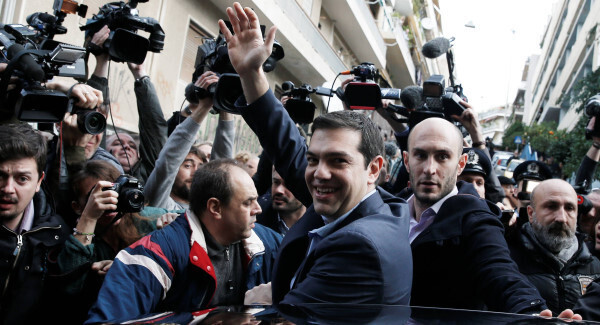
Greece and its European creditors have converged on Brussels aiming to bridge major differences over a request from Athens for a six-month loan extension to help pay off massive debts and keep it from falling out of the euro.

Europe makes fresh attempt at Greece deal

Greece and its European creditors have converged on Brussels aiming to bridge major differences over a request from Athens for a six-month loan extension to help pay off massive debts and keep it from falling out of the euro.

The meeting is the third among finance ministers from the 19-nation eurozone in just over a week as Greece’s current European bailout programme expires on February 28.

Today’s emergency meeting was called to respond to the left-wing government’s demand for more time to finalise its current bailout programme and negotiate new arrangements with its partners that will be less onerous on Greek citizens.

Greece’s most influential creditor, Germany, has claimed the request is a “Trojan horse” to help the government dodge its commitments.

The Greek government has faced the unpalatable prospect of reneging on its election promises to ease the austerity measures weighing so heavily on Greek citizens, or possibly leaving the group of countries using the euro single currency.

In the short-term, if no solution is found, Greece could be left to handle its debts alone from next month.

Greek Prime Minister Alexis Tsipras swept to power last month on a pledge to ease the austerity measures championed by Germany and reorganise the 240 billion euro (ÂŁ155 billion) bailout debt.

Late yesterday, Mr Tsipras held telephone conversations with French President Francois Hollande and German Chancellor Angela Merkel after Germany sharply criticised the Greek compromise offer.

Germany argues that Greece has failed to provide detailed alternatives to cost-cutting reforms imposed by the previous government that helped the country balance its budget after decades of excessive borrowing.

“There are a lot of questions that have to be cleared up,” German Finance Ministry spokeswoman Marianne Kothe said today. “And the problem is not so much what is in the application as what is not in there.”

The European Union’s executive Commission was more upbeat.

Commission President Jean-Claude Juncker “sees in this letter a positive sign which, in his assessment, could pave the way for a reasonable compromise in the interest of financial stability in the euro area as a whole,” his spokesman said yesterday.

More in this section

Cookie Policy Privacy Policy Brand Safety FAQ Help Contact Us Terms and Conditions

© Examiner Echo Group Limited