Iran pulls out of nuclear talks
Iran has pulled out of talks with six world powers in protest at the expansion of US sanctions, saying the blacklisting of more entities violates the spirit of a groundbreaking agreement over Tehran’s atomic programme.
In the first major hurdle to the interim deal reached last month in Geneva, the United States targeted more than a dozen companies and people for evading sanctions against Iran.
It was an effort by the Obama administration to show it will enforce existing law even as it presses Congress to hold off on additional measures while world powers pursue a comprehensive nuclear deal with Tehran.
But the Iranians called the move “unconstructive and against good intentions,” and accused the US of sending mixed signals.
“This is a game of double standards – it is not in accord with the talks we have had and it is against the spirit of the Geneva agreement,” senior Iranian nuclear negotiator Abbas Araghchi told the official news agency IRNA. “On the one hand they tried to halt sanctions in Congress, and on the other hand they made a new move and the Treasury added new companies to the list.”
The White House said the expansion did not violate the agreement and represented actions based on existing sanctions. Spokesman Jay Carney said President Barack Obama is committed to refraining from any new nuclear-related sanctions.
Mr Araghchi, who is also deputy foreign minister, said the Iranians were assessing the situation to determine the proper response.
IRNA also quoted an unnamed official as saying an Iranian team of experts had halted technical talks with the six world powers in Vienna because of the US sanctions on new Iranian entities.
“Iran has ended the talks because of the addition of more individuals and companies to the sanctions list. It was against the path of agreements,” the official said.
The talks in Vienna are on the expert level, bringing representatives from the six powers and Iran together to discuss implementing parts of the Geneva deal. They started on Monday and were originally set for two days.
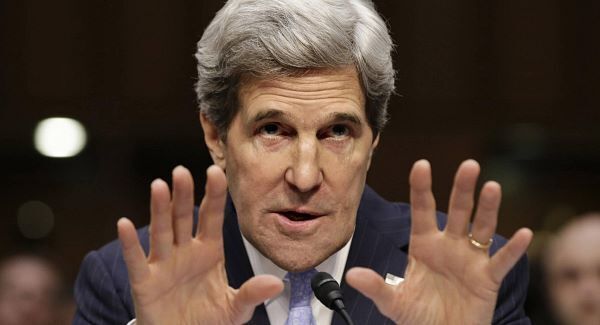
Secretary of State John Kerry said the Vienna talks were making progress “but I think we’re at a point in those talks where folks feel a need to consult and take a moment”.
He said there was “every expectation” that the talks would resume in a few days.
The West suspects Iran’s nuclear programme has military dimension. Iran denies the charge saying its nuclear activities have peaceful purposes like power generation and medical treatment.
As part of the deal, the US agreed to no new nuclear-related financial penalties against Tehran for six months in return for a freeze on part of the Islamic Republic’s uranium enrichment activities. Still, many Republicans and Democrats in Congress have called for even tougher measures to raise the pressure further on the Islamic republic, despite the administration’s pleas for patience.
Alaeddin Boroujerdi, the head of Iran’s parliamentary committee on national security and foreign policy, said the US move was an “obvious violation” of the interim deal and shows the Americans are “not trustworthy”.
He also said the decision to halt the Vienna talks “right and revolutionary”.
CONNECT WITH US TODAY



Be the first to know the latest news and updates