Mubarak set to be released from Egyptian prison
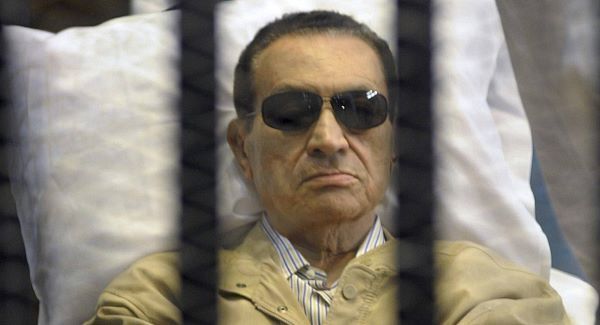
Egypt’s deposed autocrat Hosni Mubarak is expected to be freed from prison and placed under house arrest after his release was ordered following more than two years in detention.
The development is a new twist in the saga of the long-time president, toppled in Egypt’s popular uprising in 2011, and could potentially stoke tensions in the deeply divided nation.
It could also amplify the anger against the military-backed government and Islamist allegations that last month’s military coup against Mubarak’s successor, Mohammed Morsi, was a step towards restoring the old regime.
Prime minister Hazem el-Beblawi ordered Mubarak be put under house arrest as part of emergency measures imposed this month after Mr Morsi’s removal from office. The decision appeared designed to ease some of the criticism over Mubarak being freed from prison and ensure that he appears in court next week for a separate trial.
Mr el-Beblawi’s announcement came hours after a court ordered Mubarak be released for the first time since he was first detained in April 2011.
Prison officials said he may be released today but it is unclear where he will be held under house arrest, whether in one of his residences or in a hospital, considering his frail health.
Since his removal, Mubarak’s supporters have released conflicting details about his health, including that the 85-year-old suffered a stroke, a heart attack and at times went into a coma. His critics called these an attempt to gain public sympathy and court leniency.
His wife Suzanne has been living in Cairo and keeping a low profile, occasionally visiting Mubarak and their two sons in prison. Security officials said Mubarak was more likely to be moved to a military hospital because of his ailing health.
The order for Mubarak’s release followed an appeal by his lawyers in one of his corruption cases.
He is also standing retrial on charges of complicity in the killing of protesters in the 2011 uprising, which could put him back behind bars, and faces investigation into at least two other corruption cases.
The prospect of Mubarak being freed, even if only temporarily, would feed into the larger crisis in Egypt: the violent fallout from the July 3 coup that unseated Mr Morsi, an Islamist who became Egypt’s first freely elected president following Mubarak’s removal.
Mr el-Beblawi’s decision followed an appeal from the youth campaign that spearheaded the petition and protests against Mr Morsi, asking the interim authorities to use the emergency measures in place earlier this month to keep the former president behind bars.
The group Tamarod blamed Mr Morsi’s government for Mubarak’s coming release because they said it failed to admit new evidence in the case against the autocrat.
In a statement, Tamarod warned against releasing Mubarak, saying it would be a threat to national security.
“If it is acquittal for Mubarak today, it will be acquittal for Morsi tomorrow,” the group said, vowing to hold a public show trial for Mubarak. “We will not remain silent about freedom for any killer of the Egyptian people.”
Since his July 3 removal, Mr Morsi has been held incommunicado at an undisclosed location. Several top leaders and other figures of the Muslim Brotherhood, the Islamist group from which Mr Morsi hails, have been arrested and charged.
CONNECT WITH US TODAY



Be the first to know the latest news and updates