Manning: My actions hurt the United States
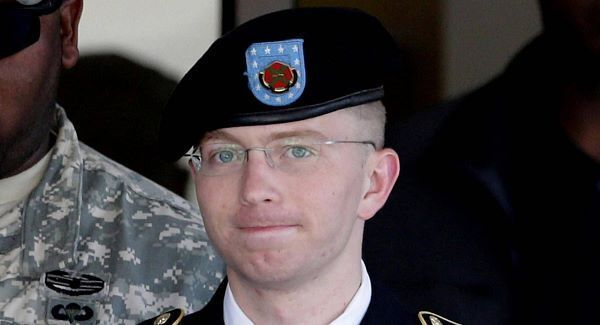
US soldier Bradley Manning took the stand during his sentencing hearing for leaking classified material to WikiLeaks and apologised for hurting the United States and others.
Manning gave an unsworn statement, which means he cannot be cross-examined by prosecutors. He began with an apology.
āIām sorry that my actions hurt people. Iām sorry that it hurt the United States,ā he said.
Manning faces up to 90 years in prison for leaking the information while working as an intelligence analyst in Iraq in 2010.
He said he understood what he was doing and the decisions he made. However, he said he did not believe at the time that leaking the information would cause harm.
Earlier, an Army psychologist said Manningās private struggle with his gender identity in a hostile workplace put incredible pressure on the soldier.
Manning eventually came out to Capt. Michael Worsley and emailed the therapist a photo of himself wearing a wig of long, blond hair and lipstick. The photo was attached to a letter titled āMy problem,ā in which Manning describes his issues with gender identity and his hope that a military career would āget rid of it.ā
Worsley testified at Manningās sentencing hearing at Fort Meade, near Baltimore. He said the soldier had little to no support base.
āYou put him in that kind of hyper-masculine environment, if you will, with little support and few coping skills, the pressure would have been difficult to say the least,ā Worsley said. āIt would have been incredible.ā
Manningās lawyers contend that the soldier showed clear signs of deteriorating mental health that should have prevented commanders from sending him to a warzone to handle classified information.
Manning sat and listened attentively to the psychologist who had treated him, smiling occasionally. But his face tightened when Worsley talked about how guarded and hesitant Manning had been in Iraq to talk about his gender identity.
Worsleyās testimony described some military leaders as lax at best and obstructionist at worst when it came to tending to troop mental health.
He said some in Manningās brigade āhad difficulty understandingā recommendations the doctor would make regarding the needs of some soldiers.
āI questioned why they would want to leave somebody in a position with the issue they had,ā Worsley said of troubled soldiers.
Navy Capt. David Moulton, a psychiatrist who spent 21 hours interviewing Manning at Fort Leavenworth, Kansas, after his arrest, testified as a defence witness that Manningās gender identity disorder combined with narcissistic personality traits, post-adolescent idealism and his lack of friends in Iraq caused him to reasonably conclude he could change the world by leaking classified information.
āHe became very enthralled with this idea that the things that he was finding were injustices that he felt he morally needed to right,ā Moulton said.
He said Manning was struggling to balance his desire to right wrongs with his sense of duty to complete his Army tasks and his fear of losing his GI benefits and the opportunity to attend college.
āHis decision-making capacity was influenced by the stress of his situation for sure,ā Moulton said. āHe was under severe emotional stress at the time of the alleged offenses.ā
The soldierās sister and aunt are also on the defence witness list.