Man shot dead as Turkish protests rage on
A 22-year-old man was shot dead during an anti-government protest in a city near the border with Syria.
The Hatay province governor’s office said the man was shot during a demonstration in Antakya city and later died in hospital.
Some reports suggested the man may have been shot by demonstrators trying to inflame tensions.
Thousands have joined anti-government rallies across Turkey to voice discontent with the 10-year rule of Prime Minister Recep Tayyip Erdogan. The protests, the biggest Turkey has seen in recent years, were sparked by police crackdown of a peaceful sit-in to prevent demolition of a park in Istanbul.
Another protester was reported killed in Istanbul yesterday. Officials said that death was accidental.
Turkey’s president and prime minister have taken competing positions over the unrest.
Prime minister Recep Tayyip Erdogan rejected the protesters’ demands that he resign and dismissed the demonstrations as the work of Turkey’s opposition.
But President Abdullah Gul praised the mostly peaceful protesters as expressing their democratic rights.
The two men could face off next year in Turkey’s presidential election.
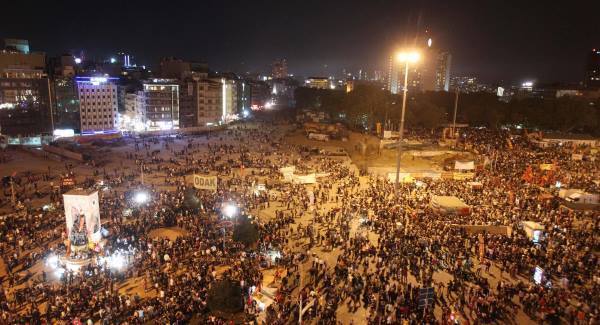
Turkey has been rocked by violent demonstrations since Friday when police launched a pre-dawn raid against a peaceful sit-in protesting at plans to uproot trees in Istanbul’s main Taksim Square. Since then, the demonstrations by mostly secular-minded Turks have spiralled into Turkey’s biggest anti-government disturbances in years.
Clashes continued late last night in both Istanbul and Ankara.
In Istanbul, the country’s largest city, acrid clouds of tear gas billowed up from the streets of the Besiktas area as protesters ran for cover. Riot police deployed water cannons to keep demonstrators back.
An uneasy calm settled on Taksim Square, which protesters were protecting with makeshift barricades using battered buses, cars and any other material they could find to prevent police from entering.
In Ankara, protesters chanted for Mr Erdogan to resign and Turkey’s main stock exchange dropped 10.5% as investors worried about the destabilising effect of the demonstrations.
The Turkish Doctors’ Association said one protester died after a vehicle slammed into a crowd in Istanbul but the governor’s office insisted the man’s death was accidental. The doctors’ group also said eight people hurt in Ankara were in a critical condition.
The protests are seen as a display of frustration with Mr Erdogan, whom critics say has become increasingly authoritarian. Many accuse him of forcing his conservative, religious Islamic outlook on the lives of secular Turks.
He rejects the accusations, insisting he respects all sections of Turkish society and has no desire to infringe on different lifestyles. He has also rejected accusations of being authoritarian, saying “I am not a master but a servant” of the people.
But he believes the protests have a deeply political purpose.
“The protests weren’t about the squares or the trees, some parties were not happy about results of the elections,” Mr Erdogan said last night while on a visit to Morocco.
“The situation is a lot calmer now and reason seems to be prevailing. I think things will return to normal. These demonstrations are not all over Turkey, just in some big cities.”
In Washington, the Obama administration voiced concern over the crackdown on protesters, urging authorities to exercise restraint and all sides to refrain from violence.
Mr Erdogan, in power since 2003 after winning three elections in landslides, will hit his term limit as prime minister and could run against Mr Gul next year. Mr Erdogan has also advocated a new system that would give the head of state increased powers, leading to criticism that he may be trying to monopolise power.
The two men were close allies and among a core group who founded Mr Erdogan’s Islamic-rooted Justice and Development party in 2001 but there have been signs of growing differences between them.
An opinion poll last year indicated that Turks would vote for Mr Gul in the elections.











