Pope to tweet next week
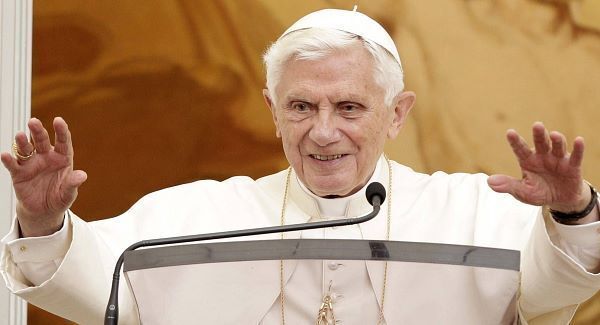
The Pope is to become a Twitter user in six languages with the username of @Pontifex from next week.
The Vatican said he will use a question and answer format in his first tweet, focusing on answering questions about faith – in 140 characters.
The Pope sent his first tweet last year from a Vatican account to launch the Holy See’s news information portal.
The Vatican’s communications adviser Greg Burke said @Pontifex was chosen for the Pope’s personal account because it not only means pope in Latin, but also bridge-builder, suggesting unity.
When asked how often the Pope will tweet, he said: “as often as he wants.”
The Vatican has been increasing its presence in social media to try to spread the faith, particularly among the young. The Pope’s messages will start on December 12.
Questions can be submitted to #askpontifex, and the pope will probably respond to three to five of those sent from around the world.
While the Pope will push the button himself on December 12, subsequent tweets will be sent by someone in the Vatican’s secretariat of state. They will, however, all be approved by the Pope, officials said.
“It’s always going to have his engagement and his approval,” said Monsignor Paul Tighe, the No. 2 in the Vatican’s social communications office. “Not physically, but from his mind.”
Currently a host of Twitter accounts use the pope’s name, purporting to be his personal account. The @Pontifex account, however, is certified as the only official papal Twitter feed.
Papal tweets will be sent simultaneously in English, French, Spanish, Portuguese, Italian, German, Polish and Arabic.
A spokesman stressed that the papal tweets were not to be considered infallible teachings, merely “pearls of wisdom” in the Pope’s own words.
The Vatican has been increasing its presence in social media, using YouTube channels and Facebook pages for special events and Twitter to engage believers and non-believers alike, particularly the young.
The Vatican decided against using a personal Facebook page for the pPope because they thought it was too personal an interaction and would require more manpower to keep updated.