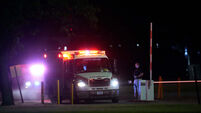
Further bailout protests expected in Greece

Greece is braced for further protests as politicians scramble to adopt a batch of emergency laws that will further cut incomes and government spending.

Further bailout protests expected in Greece

Greece is braced for further protests as politicians scramble to adopt a batch of emergency laws that will further cut incomes and government spending.

It comes a day after securing a new bailout and debt relief deal designed to stave off bankruptcy.


The new austerity measures demanded by creditors in return for the rescue loans follow two years of deepening misery, with the Greek economy in freefall and unemployment at a record high. Angry unions have called two separate protest rallies outside Parliament.

On Tuesday, the 17-country eurozone approved Greece’s second financial lifeline in less than two years, worth €130bn, and agreed to impose a €107bn debt writedown on banks and other private holders of Greek bonds.

Without either deal, the country would have defaulted on its debts next month, and would likely have been forced out of the common European currency it joined in 2001. But the price of salvation for ordinary Greeks is only just starting to sink in.

Legislation tabled in Parliament outlines a total of €3.2bn in extra budget cuts this year agreed by the Cabinet last week.

The draft law also drastically revises the 2012 budget, changing the deficit target to 6.7% of gross domestic product from an initial forecast of 5.4%.

Parliament is expected to vote on the cuts and budgetary revisions early next week.

Today, a debate will start at committee level on a separate draft law on adopting the private debt writedown. Parliament’s plenary session will vote on the draft law on Thursday.

Both pieces of legislation are expected to be approved, as the interim governing coalition headed by technocrat prime minister Lucas Papademos controls 193 of the House’s 300 seats. But earlier this month the two coalition partners - the majority Socialists and the conservatives – were forced to expel 43 deputies who rebelled against new austerity cuts.

Meanwhile, the Fitch ratings agency said it has downgraded Greece further into junk status, from “CCC” to “C” following the announcement of the details of the country’s debt swap deal with private creditors.

The agency said the downgrade indicated “that default is highly likely in the near term”. In June, the agency had said it would consider Greece to be in restricted default if the bond swap deal went ahead.

More in this section

Cookie Policy Privacy Policy Brand Safety FAQ Help Contact Us Terms and Conditions

© Examiner Echo Group Limited