Fears of split as Libya rebel buried
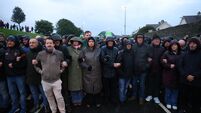
Thousands of mourners have joined the funeral procession for the Libyan rebels' military chief a day after he was gunned down under mysterious circumstances.
Mourners chanted "Martyrs are God's Beloved" as they carried Abdel-Fattah Younis's coffin to a cemetery in the unofficial eastern rebel capital Benghazi.
Fear and confusion gripped Benghazi, where heavy gunfire crackled in the early hours, as residents worried about the possibility his death could undermine the rebels' military forces, leaving the opposition-held east vulnerable to attack by Muammar Gaddafi's forces.
The circumstances of his death remained almost entirely unexplained.
The head of the rebel National Transitional Council, Mustafa Abdul-Jalil, said Younis had been summoned to Benghazi for questioning on a "military matter" and was killed with two aides while en route.
He blamed "gunmen" and said one man had been arrested, but Abdul-Jalil did not say what he believed motivated the killers.
Younis was Gaddafi's interior minister before defecting to the rebels early in the uprising, which began in February.
His abandoning of the Libyan leader raised Western hopes that the growing opposition could succeed in forcing out the country's ruler of more than four decades.
Rebel forces, however, held mixed views of the man, with some praising him for defecting and others suspicious of him because of his long association with Gaddafi.
At Younis' funeral service, his nephew Mohammad al-Obaidi, called his uncle a martyr and a champion of the uprising.
But the killing raised hints of a split within the rebel movement. Hours before the commander's death was announced, rebel military spokesman Mohammed al-Rijali had said Younis was taken to Benghazi for "interrogation".
Troubles among the rebels - at a time when their forces have failed to make battlefield gains despite nearly four months of Nato air strikes against Gaddafi's forces - could shake the confidence of the United States, Britain and several dozen other nations that have recognised the rebel council as Libya's legitimate leaders.
The British minister for the Middle East and North Africa, Alistair Burt, said he spoke with the council chief, Abdul-Jalil and welcomed the rebels' announcement of an investigation.
"Exactly what happened remains unclear," Burt said in a statement. "We agreed that it is important that those responsible are held to account through proper judicial processes."

CONNECT WITH US TODAY



Be the first to know the latest news and updates