Iraq security chiefs held to account for bombings
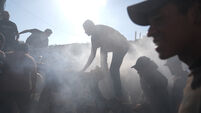
Iraq’s top security chiefs faced MPs behind closed doors today to answer for security lapses that allowed a third attack since the summer against government sites in the Iraqi capital.
Prime minister Nouri Maliki agreed to make his security ministers available after intense pressure from MPs, who say there has not been an adequate accounting of how suicide bombers managed to elude security to launch Tuesday’s attack, which killed 127 people.
“The MPs and the people want convincing answers. First, we want to know what happened and why this security breach happened. We also want to know what safety measures and precautions are being taken to stop such incidents,” said Abbas al-Bayati, a member of parliament’s defence committee and an ally of Maliki’s Shiite government.
Maliki has been under pressure after the three attacks in Baghdad to take action to shore up security before national parliamentary elections.
The US military has warned of a potential rise in violence by insurgents determined to destabilise the government before the March 7 elections.
The ministers of interior and defense – who oversee Iraq’s army and police forces – were to face much of the same questioning that Maliki faced during an hours-long closed special parliamentary session earlier this week.
The ministers have previously refused to attend two other sessions called after bombings on August 19 and October 25. More than 250 were killed in those attacks.
Al-Qaida has claimed responsibility for the three attacks, which Iraq has said were carried out by a coalition of al Qaida and loyalists of Saddam Hussein’s Baath party operating from Syria.
Relations between the two countries soured after Baghdad accused Syria of harbouring senior Baathists who masterminded the attacks. Syria has denied it.
While violence overall has declined dramatically in Iraq, insurgents have targeted Iraqi security forces and civilians.
Today a roadside bomb targeting a patrol killed three policemen in northern Iraq, said police Colonel Sherzad Morferi. The bomb wounded two more in the attack in the oil-rich city of Kirkuk, he said.
Kirkuk is at the centre of a dispute between the Kurds in northern Iraq and the central government in Baghdad over whether the city will one day be part of the nearby Kurdish autonomous region.