Zimbabwe responds to strike call with crackdown

More than 30 people have been arrested in a police crackdown following a call for protest strikes in Zimbabwe.

Zimbabwe responds to strike call with crackdown

More than 30 people have been arrested in a police crackdown following a call for protest strikes in Zimbabwe.

They were accused of barricading streets, stoning vehicles and preventing people from going to work during the action called by the opposition to press for the release of presidential election results.

The call to strike went largely unheeded, but the arrests showed security forces were continuing to keep up the pressure amid Zimbabwe’s heightening political crisis.

Zimbabwe has now waited 18 days to hear results from its presidential vote. The electoral commission has said it is verifying votes and investigating anomalies, but the opposition says the delay is a strategy by President Robert Mugabe to keep his 28-year grip on power.

Opposition leader Morgan Tsvangirai says he won the election outright. Independent monitors show Mr Tsvangirai won, but not by enough to prevent a second round vote.

Mr Tsvangirai’s Movement for Democratic Change party has failed in appeals to the courts and regional leaders to force the release of results.

It had called for Zimbabweans to stay away from their jobs from yesterday in a show of solidarity, but there were few indications that people heeded the call. While some streets were barricaded and fewer commuter buses were running than normal, most stores and banks opened Tuesday and downtown was busy with people.

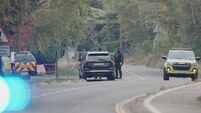
Authorities maintained a heavy police presence, with soldiers carrying assault rifles and police in riot gear stationed across Harare and its suburbs. The government claims that yesterday’s action brought violence and looting, and that the show of force was needed to protect Zimbabweans trying to go to work.

The MDC and human rights groups have documented scores of attacks by ruling party militants on opposition supporters since the vote.

The international community, meanwhile, was showing impatience with Zimbabwe’s electoral crisis.

UN Secretary-General Ban Ki moon said he would raise the issue at a high-level Security Council meeting today. The US, Britain and France have also said they plan to press the issue at the meeting, which will also include South African President Thabo Mbeki – who has been the main mediator in Zimbabwe.

South Africa’s UN Ambassador Dumisani Kumalo insists that Zimbabwe is not on the agenda of the meeting organised by South Africa because it is being dealt with by the Southern African Development Community. Its leaders held a summit in Zambia that ended at the weekend with a weak declaration that failed to criticise the absent Mugabe

Meanwhile a Briton and an American were cleared today of charges of reporting on the country’s election without proper accreditation.

Magistrate Gloria Takundwa said the state failed to prove “reasonable suspicion of them practising as journalists.”

The 'New York Times' correspondent and a British man were arrested on April 3. They have been free on bail for more than a week but have not been allowed to leave the country pending the court ruling.

x

More in this section

Cookie Policy Privacy Policy Brand Safety FAQ Help Contact Us Terms and Conditions

© Examiner Echo Group Limited