Mass protest as Chavez forces TV station off air
Venezuelan police fired tear gas and plastic bullets into a crowd of thousands protesting at a decision by President Hugo Chavez that forced a television station critical of his left-wing government off the air.
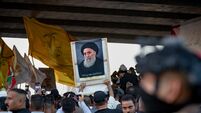
Police fired towards the crowd of up to 5,000 from a raised highway and protesters fled amid clouds of tear gas. They later regrouped in Caracas’ Plaza Brion chanting: “Freedom!” Some threw rocks and bottles at police, prompting authorities to scatter demonstrators by firing more gas.
It was the largest of several protests that broke out across Caracas hours after Radio Caracas Television ceased broadcasting at midnight on Sunday and was replaced with a new state-funded channel.
Chavez had refused to renew RCTV’s broadcast licence, accusing it of “subversive” activities and of backing a 2002 coup against him.
At least three protesters and one police officer were injured in skirmishes. Some protesters were seen in television footage hurling spent tear gas canisters back at police.
Office workers poured out of buildings to join student protesters, while organisers called for the demonstration to remain peaceful. RCTV talk show host Miguel Angel Rodriguez led the crowd in chants of: “They will not silence us!”
Meanwhile information minister Willian Lara accused the private Globovision TV channel of encouraging an attempt on Chavez’s life by broadcasting the chorus of a salsa tune – Have Faith, This Doesn’t End Here – along with footage of the 1981 assassination attempt against Pope John Paul II in St Peter’s Square.
“They incite the assassination of Venezuela’s president,” he said.
Globovision director Alberto Federico Ravell denied any wrongdoing, calling the allegations “ridiculous”.
The new public channel, TVES, launched its transmissions early yesterday with artists singing pro-Chavez music, then carried an exercise programme and a talk show, interspersed with government ads proclaiming: “Now Venezuela belongs to everyone.”
Chavez says he is democratising the airwaves by turning the network’s signal over to public use.
The socialist president accused the network of helping to incite a failed coup in 2002, violating broadcast laws and “poisoning” Venezuelans with programming that promoted capitalism. RCTV’s managers deny the claims.
Founded in 1953, RCTV was the nation’s oldest private channel and regularly topped viewer ratings with its talk shows, sports, soap operas and comedy programmes.

CONNECT WITH US TODAY



Be the first to know the latest news and updates