Darfur war crimes suspects to be named
The International Criminal Court’s prosecutor will today name suspects in war crimes and crimes against humanity in cases expected to include rape and murder in Darfur.
Human rights groups have welcomed the move, saying it should help bring an end to impunity for war criminals there.
The announcement in The Hague, Netherlands, marks the first time the world’s first global war crimes court has unveiled details of its investigation into the war-torn Sudanese region.
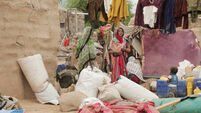
More than 200,000 people have been killed and 2.5 million forced from their homes in fighting that erupted in February 2003, when ethnic African tribesmen took up arms, complaining of decades of neglect and discrimination by their government.
Khartoum is accused of using the janjaweed militias of Arab nomads to retaliate, but the government denies backing or arming the janjaweed. Members of the janjaweed have told the media that they were armed by government forces.
The White House has labelled the attacks genocide.
It remained unclear who prosecutor Luis Moreno-Ocampo would name, but his mandate is to prosecute the most senior figures responsible for atrocities.
Since the UN Security Council asked Mr Moreno-Ocampo to launch a Darfur investigation in March 2005, his investigators carried out 70 missions in 17 different countries tracing victims, taking statements from more than 100 victims and witnesses and collecting documents.
They have been unable to carry out investigations in Darfur itself because of the continuing violence.
After reviewing the prosecutor’s evidence, judges can issue arrest warrants or summonses for suspects to appear in The Hague.
However, the court has no police force and relies on other countries to carry out arrests. That could be a problem in Sudan, which has not signed the Rome Statute creating the court and does not recognise the court’s jurisdiction. The court came into force in 2002.

CONNECT WITH US TODAY



Be the first to know the latest news and updates