Sri Lanka air strikes end, civil war threat remains

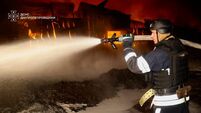
Sri Lanka reopened roads linking government and Tamil Tiger rebel-held territory today after two days of airstrikes against guerrilla areas ended, but the threat of a return to civil war remained amid continuing bloodshed.

Sri Lanka air strikes end, civil war threat remains

Sri Lanka reopened roads linking government and Tamil Tiger rebel-held territory today after two days of airstrikes against guerrilla areas ended, but the threat of a return to civil war remained amid continuing bloodshed.

The military seized three T-56 automatic rifles in Trincomalee, the hotbed of the current violence, late yesterday from two suspected rebels, said military spokesman Brig. Prasad Samarasinghe.

This week’s violence, including two days of government airstrikes against rebel positions and a suicide bombing in the capital, posed the most serious threat yet to a 2002 truce between the government and Tamil Tiger rebels seeking a separate state in the north of the country.

But in a sign that tensions may be easing, the military said yesterday that it would halt the air strikes – which rebels say sent thousands fleeing their homes and killed 12 civilians – so long as the insurgents stopped their attacks.

There were no air strikes overnight.

Brig. Samarasinghe said roads linking government controlled territory and rebel held areas in the eastern part were also reopened to civilians. The roads had been closed after the suicide blast in Colombo.

But analysts predicted that more violence in coming days could lead to the deal’s collapse.

“The cease-fire still holds in a technical sense,” the National Peace Council, an independent think tank, said in a statement. “But escalating acts of war make it akin to a dead letter.”

The chief cease-fire monitor, Ulf Henricsson of Sweden, travelled yesterday to areas hit by the airstrikes and to meet with local leaders of the rebel Liberation Tigers of Tamil Eelam, or LTTE.

He said the rebel claims about civilian casualties appeared to be “fairly correct,” noting that the targets were mostly political and military but were located in civilian areas.

“It will be good if the government can issue a statement announcing that the attacks are over so that the displaced people can get back to their homes,” he told The Associated Press by telephone.

Keheliya Rambukwella, a government spokesman, said yesterday that civilians could go home anytime, and that there would be no more airstrikes “as long as the LTTE does not target civilians and our military headquarters.”

Rambukwella said the government launched the attacks – the government’s biggest military operation since 2002 – as a ”deterrent” after the rebels attacked naval boats and a suspected Tamil suicide bomber targeted a top general, wounding him and killing at least nine others.

The government blamed three separate remote-control mine attacks in northern Sri Lanka yesterday on the rebels, killing five military personnel and wounding three.

Five headless male corpses were also found in two separate spots on a rubber plantation in Awissawella, a predominantly ethnic Sinhalese area about 35 kilometres (22 miles) east of Colombo, said Deputy Inspector General of Police Nevil Wijesinghe. Many Tamils work on the plantation.

He said they had ordered DNA tests to identify the bodies, adding that it was not clear if the deaths were linked to ethnic violence or a gang war.

At least 65,000 people were killed in the two-decade civil war before the cease-fire was signed.

The 2002 Norway-brokered truce halted large-scale fighting, but disputes over post-war power-sharing have hindered peace talks, and sporadic violence has raised tensions in recent months.

More in this section

Cookie Policy Privacy Policy Brand Safety FAQ Help Contact Us Terms and Conditions

© Examiner Echo Group Limited