Iraq video protesters burn British flag
More than 1,000 protesters burned a British flag and the regional administration in Iraq’s main southern province severed all ties with British authorities over video footage showing British soldiers allegedly beating and kicking Iraqi youths.
In London, the British Defence Ministry announced Tuesday the arrests of two more people in connection with the images. Another person – apparently the man who shot the video – was arrested on Monday.
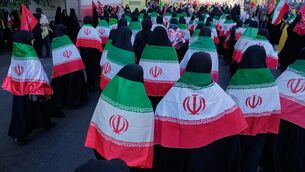
Protesters, many of them supporters of radical Shiite cleric Muqtada al-Sadr, marched on the British Consulate in Basra, where they burned a British flag and shouted slogans against the alleged abuse of the youths during a riot January 10, 2004, in the southern city of Amarah.
Protesters held banners reading: “No, no to Tony Blair” and: “Try the British soldiers involved in this aggression”.
With outrage over the video mounting, the governing council for Basra province, which includes Iraq's huge southern oil fields, announced it was cutting all ties with British military and civilian operations in the area, headquarters of Britain’s more than 8,000-member military contingent in Iraq.
The Basra police chief, Maj. Gen. Hassan Suwadi, said Iraqi security forces would cease joint patrols with the British military in the province to protest the alleged abuse.
“We condemn the abuse of the British forces and demand the British government to adopt legal procedures as soon as possible to punish its soldiers who carried out the abuse,” Suwadi said.
Elsewhere, gunmen killed 11 Shiite farmers north of Baghdad, including eight members of one family, officials said. A US Marine was killed and six coalition personnel were wounded in two attacks in Baghdad.
In Amarah, about 160 kilometres north of Basra, two Iraqis who claimed to have been beaten on the video – Bassem Shaker and Tariq Abdul-Razzak - told reporters they would seek compensation from Britain, which occupied Iraq for decades after the country was established following World War I.
The beatings allegedly occurred during a violent protest in Amarah by hundreds of people demanding jobs. Six people were killed and 11 injured, according to reports at the time.
“I was one of 250 unemployed people demonstrating in the street in 2004, but when we reached the governor’s office we were surprised by the presence of the British forces,” Shaker said. “We started throwing stones at them because we believed that they were behind all our misery.”
Shaker said British troops “were beating us with fists and batons and were kicking us” before taking the prisoners to a British base “where they also beat us and frightened us with dogs before releasing us before sunset”.
He said he didn’t report the treatment because he did not believe any officials would deal with their complaints.
“But when we saw this tape and the amount of anger it caused inside and outside Iraq, we decided to come today … to sue the British forces and compensate us,” he said. ”Those troops humiliated us and violated our rights to demand jobs.”
Relations between the British and the Shiite-dominated provincial administration have been strained in recent weeks after an increase in attacks on British troops and moves by the British to crack down on Shiite militias that have infiltrated the police and security services.
Last month, British troops arrested four police officers, alleging they were involved in militia and criminal activities. Basra authorities had threatened to suspend contacts with the British over the crackdown well before the video was first reported in the News of the World.
British military spokesman Capt. James St. John-Price said British authorities were trying to convince the local administration to reverse the decision.
“Decisions like these and reductions in patrols hinder the process of promoting security and economic reform and merely work to the detriment of the people of Basra,” St. John-Price said.
In another development, the Basra council demanded the 530-member Danish military contingent withdraw from southern Iraq unless the Danish government apologises for caricatures of Prophet Muhammad that were first published in Danish newspapers. Danish Defence Minister Soeren Gade rejected the demand.
The 40-member council is dominated by members of Fadhila, a Shiite party that considers al-Sadr's late father its spiritual leader.
Fadhila’s support was crucial to Prime Minister Ibrahim al-Jaafari winning the Shiite nomination for another term by a single vote in the Shiite caucus Sunday. The move was tantamount to his re-election because the Shiites are the biggest bloc in the new parliament.