EU ministers make new bid to avert civil war in Macedonia
European Union foreign ministers will seek tomorrow to salvage diplomatic efforts to avert a full blown civil war in Macedonia as renewed fighting dims peace hopes.
Last week, the EU asked political leaders from Macedonia’s Slav majority and Albanian minority to join talks tomorrow in Luxembourg in the hope they would be close to agreeing a settlement to end ethnic strife.
But that meeting looked unlikely today as Government forces attacked ethnic-Albanian rebel positions for the third straight day and hopes of a political deal appeared increasingly remote.
The EU’s top foreign policy official Javier Solana continued talks in the Macedonian capital Skopje over the weekend pushing for a ceasefire that would allow talks on a settlement to resume.
However the Government bombardment of the rebel-held village of Aracinovo in the Skopje suburbs intensified today as the authorities ignored international appeals for restraint.
The Government offensive Friday after an 11-day truce exasperated western officials who have given strong backing to Skopje authorities in the hope of persuading them not to crank up the conflict.
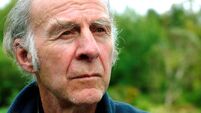
Nato Secretary General Lord Robertson called the resumption of hostilities ‘‘complete folly’’ and urged the Macedonian Government to ‘‘get serious’’ about producing a political solution.
EU officials have warned plans to increase European aid to the impoverished Balkan nation could be jeopardised by a failure to make progress in negotiations.
The EU has allocated around 120 million euros (£75m) in aid to Macedonia this year.
Officials say that will be maintained, but any additional effort would be dependent on the Government making progress in the political talks.
Tomorrow’s meeting is also expected to appoint a special EU envoy to Macedonia to give Solana more time to pursue his role in Middle East peace efforts.
French former defence minister Francois Leotard appears likely to get the post.
The EU foreign ministers will also be taking a close look at events in Yugoslavia where the new Government cleared the way on Saturday for ousted president, Slobodan Milosevic, to face charges at the UN war crimes tribunal.
Cooperation with the international court in the Dutch city of The Hague will boost Yugoslavia’s chances of raising international aid at a donor’s conference to be hosted Friday by the EU and World Bank in Brussels.

CONNECT WITH US TODAY



Be the first to know the latest news and updates