Poverty to kill 69m children by 2030, says UN agency
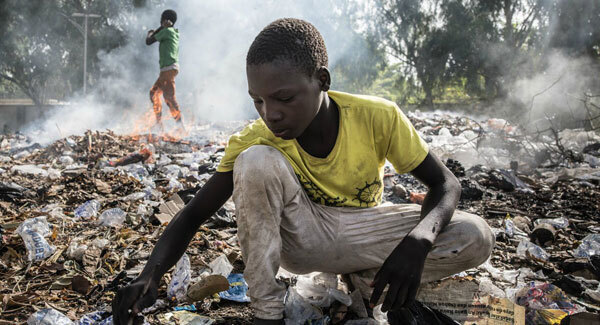
The UN children’s agency has warned that 69m children under the age of five will die from preventable causes between now and 2030.
The aid agency has called on all countries to rapidly improve health and education for the most disadvantaged.
Our flagship report, the State of the World's Children, is out: https://t.co/qmSkEGExwm #foreverychild pic.twitter.com/0wtyPpoc9h
— UNICEF (@UNICEF) June 28, 2016
Unicef said that based on trends and projected population growth, 167 million children would live in extreme poverty, 60m wouldn’t attend primary school, and 750m underage girls would have been married by 2030, unless inequality was tackled now.
Unicef’s deputy executive director, Justin Forsyth, said, at its annual report’s launch, that the agency was “broadcasting our message into a world that is more hostile,” especially to migrants and refugees, including millions of children.
Many people are fleeing because of poverty and inequality, he said, and these root causes must be addressed, “if you’re going to stop some of these forces overwhelming particular countries and polarising the political debate.”
“Our job, in Unicef, is to be there on the ground and helping children survive,” Mr Forsyth said, but the agency also wants “a factually fuelled debate about these tough issues of our times,” to impart the message that focusing on the most disadvantaged is crucial.
Unicef programme director, Ted Chaiban, said that in addition to youngsters fleeing poverty and inequality, more children lived in conflict areas — 250m, with 30m displaced.
Inequality exists in every country, he said, and children in the poorest 20% of the population are twice as likely to die before age five as children in the richest 20%.
Mr Chaiban said that “80% of preventable deaths now occur in south Asia and sub-Saharan Africa, with almost half occurring in India, Nigeria, Pakistan, Congo, and Ethiopia.”
UNICEF called on all 193 UN member states to develop national plans that put the most disadvantaged children first and set specific goals to close gaps between the richest and poorest.
Forsyth said 147m children between one and five-years-old could be saved from preventable death “just with a 2% increase in expenditure in 74 countries”.
Unicef also has evidence that every dollar spent on vaccinations for the most disadvantaged children “can generate $16 in terms of economic returns,” he said.
According to The State of the World’s Children Report, 2016, cash transfers have helped children stay in school longer — and, on average, each additional year of education a child receives increases his or her adult earnings by about 10%.
Without a shift, 750m girls will have been married as children by 2030, the deadline set by the United Nations for achieving its new global goals for sustainable development.

CONNECT WITH US TODAY



Be the first to know the latest news and updates