Clinton takes hold of nomination race and targets Trump
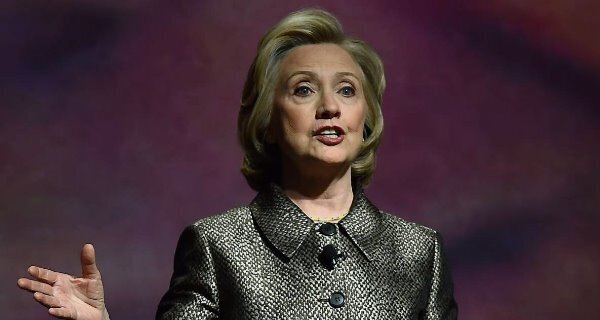
The process won’t be pretty: Rival Bernie Sanders has tapped into a deep vein of anti-Washington sentiment in the Democratic Party, turning what was once expected to be an easy race for Clinton into a far tougher competition.
But Tuesday night’s victories allow Clinton to claim wins in key general election battlegrounds across the country — North Carolina, Florida and Ohio — and demonstrate her appeal to Rust Belt voters who will play a pivotal role in November.
A decisive win in Florida, Tuesday’s biggest delegate prize, left her on track to expand an already-commanding lead. Clinton now has at least 1,561 delegates, nearly two-thirds of the total needed to win the Democratic nomination. Sanders trails far behind with at least 800.
Ever so carefully, Clinton is trying to move some of her focus off the primary race. Over the past few days, she has begun peppering her standard stump speech with subtle calls for party unity and more direct attacks on Trump’s rhetoric, experience and plans.
“I’m going to keep working as hard as I can, but I think it is important that we really do focus on the really dangerous path that Donald Trump has laid out here,” she said in Raleigh, North Carolina. As results rolled in Tuesday evening, she released her first Spanish-language ad in Arizona — an ad that focused not on Sanders but on Trump. And she held her victory party in southern Florida, just miles from where Trump was holding his own election night party at his private club.
Clinton aides say they plan to compete hard for the rest of the primary season and note that coming caucuses in Western states favor Sanders.
“It is not up to us when the primary ends,” said Clinton communications director Jen Palmieri. “There are still a lot of states to go.”
Sanders strategist Tad Devine said late Tuesday night the Vermont senator’s campaign feels “very good about the calendar ahead.”
After Tuesday’s contests, the race shifts to contests in Arizona, Idaho and Utah on March 22 and Alaska, Hawaii and Washington state on March 26. April includes contests in Wisconsin, Wyoming and New York, which Clinton represented in the Senate but is becoming a target for Sanders.

“We’re going to have to demonstrate that we can win big states,” said Devine.
Clinton aides argue that a Trump-Sanders-Clinton competition could set up a contrast for Clinton, elevating her as an experienced potential commander in chief.
But this hasn’t been an election year that’s rewarded experienced party politicians. And some Clinton backers worry that she could face a barrage of similar and simultaneous attacks from both Sanders and Trump.