World ‘most dangerous since Cold War’ according to World Economic Forum
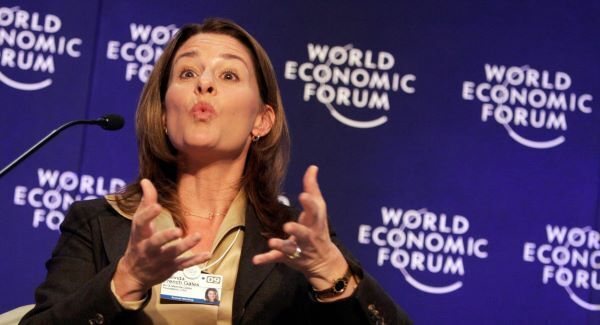
Ahead of its annual meeting in Davos, next week, the group’s 2016 Global Risks report ranked the migrant crisis as the biggest single likely risk, while climate change had the greatest potential impact.
Sixty million people have been displaced by conflicts from Syria to South Sudan, pushing refugee flows to record levels 50% higher than during the Second World War.
Including terrorist attacks such as those on Paris last year, and geopolitical fault lines stretching from the Middle East to the South China Sea, the world is arguably less politically stable than at any time since the end of the Cold War.
Economic fears, particularly for Chinese growth, and frequent extreme weather events, are further red flags, resulting in greater risk than at any time in the survey’s 11-year history.
These will be the main topics at next week's World Economic Forum in Davos https://t.co/cAxNSpJgqw pic.twitter.com/49DKsv7Jnu
— Bloomberg (@business) January 14, 2016
“Almost every risk is now up over the last couple of years and it paints an overall environment of unrest,” said John Drzik, head of global risk at insurance broker, Marsh, who compiled the report.
“Economic risks have come back reasonably strongly, with China, energy prices and asset bubbles all seen as significant problems in many countries.”
Last year, the threat of conflict between states topped the list of risks for the first time. Previous editions highlighted economic threats.
British finance minister George Osborne, who will be one of those heading to Davos, an Alpine ski resort, set the mood last week, warning that 2016 opened “with a dangerous cocktail of new threats”.
The January 20-23 meeting will bring together players from geopolitical hot spots, such as the foreign ministers of arch-rivals Iran and Saudi Arabia, and the biggest-ever US delegation, including vice-president Joe Biden.
North Korea’s invitation has been revoked, after it conducted a nuclear test, defying a UN ban.
The immediate problems of Middle East tensions, China’s turbulent markets, and a tumbling oil price are likely to dominate corridor conversations.
However, long-term concerns identified in the report centre on physical and societal trends, especially climate change and the attendant danger of water and food shortages.
While last month’s climate deal in Paris may signal to investors to spend trillions of dollars replacing coal-fired power with solar panels and windmills, it is only a first step.
For businesses, the transition from fossil fuels remains uncertain, especially as political instability increases the risk of disrupted and cancelled projects.
CONNECT WITH US TODAY



Be the first to know the latest news and updates