David Cameron to allow peers criticise EU deal
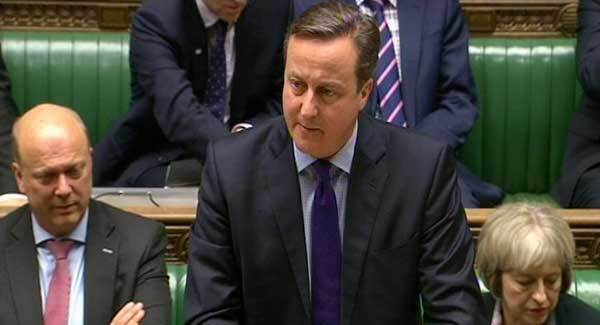
Michael Heseltine, a Tory ex-deputy prime minister, insisted such a move would make Cameron a “global laughing stock”.
Cameron gambled that it was the only way to avoid mass cabinet resignations ahead of a Brexit referendum which could be held as soon as June.
The decision to waive collective cabinet responsibility on the Brexit issue once Cameron has concluded negotiations with Brussels on a “new settlement” for British membership, expected to be finalised at February’s heads of government summit, will leave him in a vulnerable situation as serving ministers will be free to belittle his achievements.
With the polls tightening ahead of the first referendum on EU membership in more than four decades, the campaign is expected to be a bitter and angry one.
The economic implications of a British exit would be massive for the Republic of Ireland.
The ESRI has predicted such a move could see trade between the nations collapse by a fifth, or €10bn, annually, with small exporters hit particularly harshly.
Tory Eurosceptics welcomed Cameron’s concession as bowing to the enviable.
But pro-Europeans, such as former home secretary Ken Clarke, branded it a major strategic blunder.
“Collective unity is now collapsing in government and shadow government on different subjects. I think he probably has been forced into it,” said Clarke.
“You resign, you step down, you don’t stay in office and campaign against the government in which you serve.”
The views echo warnings of civil war from Heseltine.
“Allowing a free vote would be to make the prime minister a laughing stock across the world.
“To have a civil war within the Conservative Party at that time, in the belief that the referendum having been determined, the participants in the civil war are going to sit around the table and happily smile together, is, I think, rather naive.”
London mayor Boris Johnson, one of the favourites to succeed Cameron when he steps down as planned before the next election, was supportive.
With Cameron’s bid to refuse benefits to migrants for four years, whether in work or not, proving the most difficult concession to prise from fellow European leaders, Johnson said: “Let’s see what the PM gets. I think he is playing a tough hand. I originally proposed two years so four years is fine.”
Tory MP Graham Brady, chairman of the party’s influential 1922 committee, praised Cameron’s move, saying: “It’s perfectly reasonable that collective responsibility should hold for as long as there is a renegotiation process.”
CONNECT WITH US TODAY



Be the first to know the latest news and updates