Neonicotinoid pesticide exposure in bees ‘harms pollination’
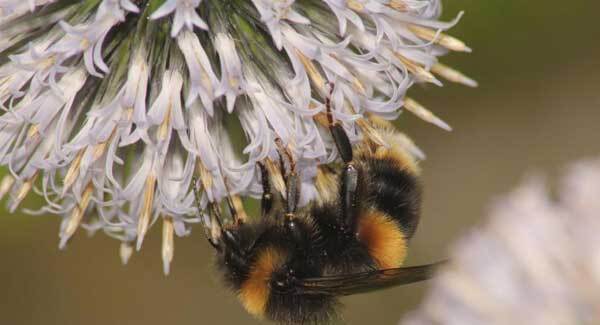
The bees collected pollen from apple trees less often and visited flowers less frequently than when they were not exposed to neonicotinoid pesticides, scientists said.
Trees pollinated by affected bees produced apples with 36% fewer seeds, a factor closely associated with fruit quality.
Lead researcher Dr Dara Stanley, from Royal Holloway University of London, said: “We found effects of neonicotinoid pesticide exposure on crop pollination services provided by bumblebees at the colony level.
“To our knowledge this is the first study to examine the impacts of pesticides not just on bees themselves, but on the crucial pollination services they provide to crops and wild plants.”
Another study published this week indicated that wild honey bees compensate for losses due to exposure to neonicotinoids by generating more female workers.
However, this means they produce fewer breeding males which could pose a risk to colonies.
The change in bee population could explain why laboratory evidence of the pesticides harming bees had not been supported in the field.
For the new research, published in the journal Nature, scientists looked at three groups of bumblebees exposed to varying levels of neonicotinoid pesticides in artificial nectar.
Co-author Dr Mike Garratt, from the University of Reading, said: “We found that bees exposed to pesticides returned from apple flowers with less pollen than bees in the control group.
"This suggests that bumblebees exposed to pesticides must somehow behave differently on flowers.”
CONNECT WITH US TODAY



Be the first to know the latest news and updates