‘Refugee debate must be based on fact, not emotions’
The emergency summit in Brussels tried to clear the atmosphere after a damaging vote that split the Union and resulted in all countries having to accept some of the 120,000 refugees to be relocated from Greece and Italy.
They agreed with plans to immediately spend around €2.5 billion from the EU budget and from national contributions to help the UN and the World Food Programme to look after the four million people who have fled Syria to surrounding countries and the eight million displaced inside the war-torn country.
Money will also be used to help the frontline countries seeing the greatest influx of migrant and to strengthen the external borders of the EU, using various EU agencies including Frontex.
This is on top of the €3.9 billion the EU has spent to help Syrian refugees in Syria, Lebanon, Jordan, Iraq, Turkey and Egypt and another €1.8bn earmarked for a trust fund to tackle the root causes of migration and displaced people in Africa while a Syria trust fund of at least €1billion is being planned.
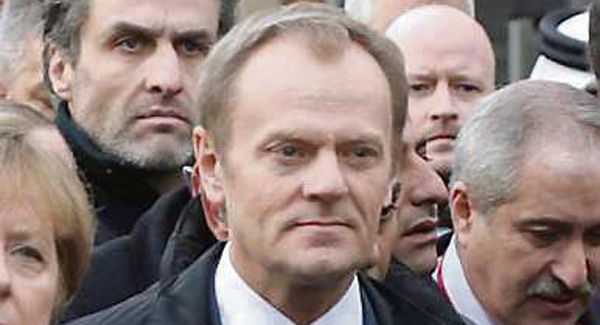
EU president Donald Tusk said that it was time for warring member states to end their rows saying that the EU has reached a critical point.
“Our debate must be based on facts, not illusions and emotions,” he said.
The most urgent problem was how to regain control of the external borders as “otherwise it does not make sense to even speak of a common European migration policy,” he said.
There was a general feeling that Turkey is a key country in much of the huge numbers crossing from there mainly into Greece.
“Turkey is the key,” said a senior EU diplomat suggesting that president Recep Tayyip Erdogan was playing his own political game in his attempt to gain more power in his own country.
There was much talk of what price Turkey would want to co-operate in keeping the refugees they are hosting, with some suggestions that Mr Erdogan would push for visa free access to the EU for his citizens.
The European Commission issued a long list of short-term and longer term measures that would see a joined up migration system in the EU including a system for legal entry for refugees such as a common Blue Card system similar to the US green card.
These are expected to be endorsed in a few weeks time at the EU leaders’ regular summit.
Taoiseach Enda Kenny said that last night’s meeting was focusing on the symptoms of the crisis and the root cause needs will be dealt with on another occasion.
He acknowledged that Ireland had its own challenges with housing the 4,000 refugees it has offered to take in light of the domestic housing shortage.
However, he said that it was important to focus on why the country was taking people, that they can contribute towards the economy and society.

CONNECT WITH US TODAY



Be the first to know the latest news and updates