Taliban leader ‘confirmed dead’
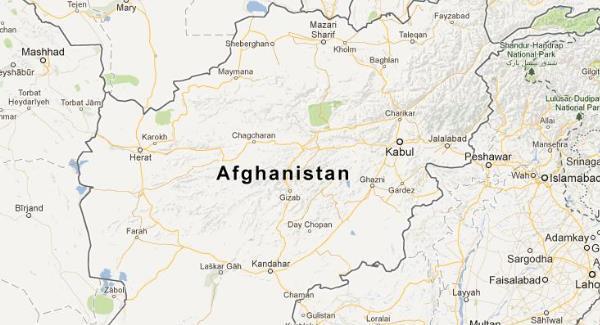
Afghanistan’s main intelligence agency said that the reclusive Taliban leader Mullah Mohammad Omar has been dead for more than two years.

Taliban leader ‘confirmed dead’

The one-eyed head of the Taliban and an al-Qaida ally led a bloody insurgency against US-led forces after they toppled him from his rule in Afghanistan in 2001.

He has not been seen in public since fleeing the invasion over the border into Pakistan.

Abdul Hassib Seddiqi, the spokesman for Afghanistan’s National Directorate of Security, said Mullah Omar died in a hospital in the Pakistani city of Karachi in April 2013.

“We confirm officially that he is dead,” he told The Associated Press.

It was not immediately clear why his death was only being announced now.

The confirmation came two days before the Afghan government and the Taliban are to hold their second round of official peace talks in Pakistan.

The Taliban could not be reached for comment.

“He was very sick in a Karachi hospital and died suspiciously there,” Seddiqi said, without elaborating.

Earlier, Zafar Hashemi, the deputy spokesman for Afghan President Ashraf Ghani, said the government was investigating reports that the Taliban leader was dead. Representatives of the Afghan government and the Taliban are due to meet tomorrow in Pakistan for official talks aimed at ending the war that is nearing its 14th year.

Confirmation of Mullah Omar’s death could complicate the peace process as it removes a figurehead for the insurgents, who until now have appeared to act collectively but are believed to be split on whether to continue the war or negotiate with Ghani’s government.

Ending the war has been a main priority for Ghani since he took office last year.

“Whether he is dead or alive is important because he is the collective figure for the Taliban,” said a Western diplomat with connections to the Taliban leadership.

“If he is dead, it would be much more difficult to get negotiations with the Taliban because there would be no collective figure to rally around and take collective responsibility for entering peace talks.”

Taliban insurgents have spread their war from the traditional southern and eastern heartlands bordering Pakistan to northern Afghanistan this year.

In recent weeks, the insurgents have taken control of remote districts in Badakhshan province, and continue to launch mass attacks on districts in Kunduz province, a strategically located region bordering Tajikistan.

The strategy has spread Afghan military resources very thinly as US and NATO forces ended their combat mission in the country at the end of last year.

x

More in this section

Cookie Policy Privacy Policy Brand Safety FAQ Help Contact Us Terms and Conditions

© Examiner Echo Group Limited