Irish advised not to visit Tunisia
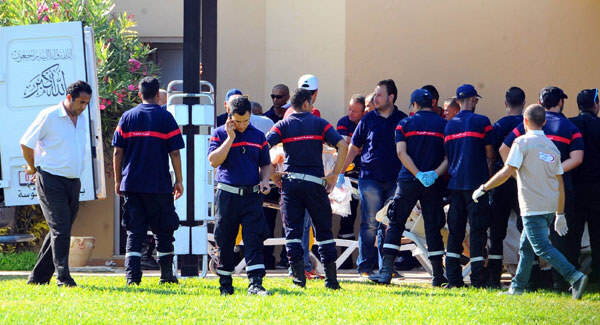
Foreign Affairs Minister Charlie Flanagan said the decision was taken after consultations and consideration of the security situation in the north African state.
The advice was initially to âexercise extreme cautionâ in the wake of the terror attack in the resort of Sousse in which 38 tourists were killed, including three Irish victims.
Mr Flanagan said Irish diplomats have been in close contact with other countries affected by the atrocity and agencies to continually assess the security situation.
âWe are now encouraging any Irish visitors to Tunisia to review whether their presence in Tunisia is essential and, where it is not, we are advising them to leave by commercial means,â he said.
Mr Flanagan said relatively few Irish tourists are believed to be in Tunisia at present.
âOur embassy in Madrid, which is accredited to Tunisia, will be notifying those Irish citizens who are resident in the country of the changes to the travel advice,â he said. UK intelligence chiefs have said a terror attack is âhighly likelyâ.
Ireland now ranks Tunisia alongside a number of countries where war, terrorism, political instability or disease is a danger including Lebanon, Egypt, Pakistan, North Korea, the Democratic Republic of Congo, Eritrea, Sudan and Guinea.
Irish citizens travelling abroad are being urged to register their details on a special registration website â dfa.ie/travel/citizens-registration â to provide them with quick consular assistance in the event of an emergency.
âI strongly encourage Irish citizens in Tunisia who are not yet registered with the department but who plan to remain in Tunisia to register without delay,â Mr Flanagan said.
âWe keep our travel advice under constant review and will continue to monitor the situation in Tunisia very closely,â he said.
Tunisia earlier accused the British government of playing into the hands of terrorists by evacuating thousands of Britons from the country.
The British Foreign Office urged UK tourists to leave immediately and warned against all but essential travel to the country following intelligence a terrorist attack is âhighly likelyâ.
It came a fortnight after three Irish citizens and 30 Britons were among the 38 tourists killed on the beach in Sousse by gunman Seifeddine Rezgui. Terror group IS claimed responsibility.
The new advice is another hammer blow for the Tunisian tourist industry and has sparked fears it could play into the hands of extremists in the North African country.
Nabil Ammar, Tunisian ambassador to the UK, told BBC Twoâs Newsnight: âThis is what the terrorists want.
âBy damaging the tourism, by having foreigners leaving the country, they damage the whole sector and put so many people out of work and on the streetsâ.